Car Key Fob Not Working? Start Here
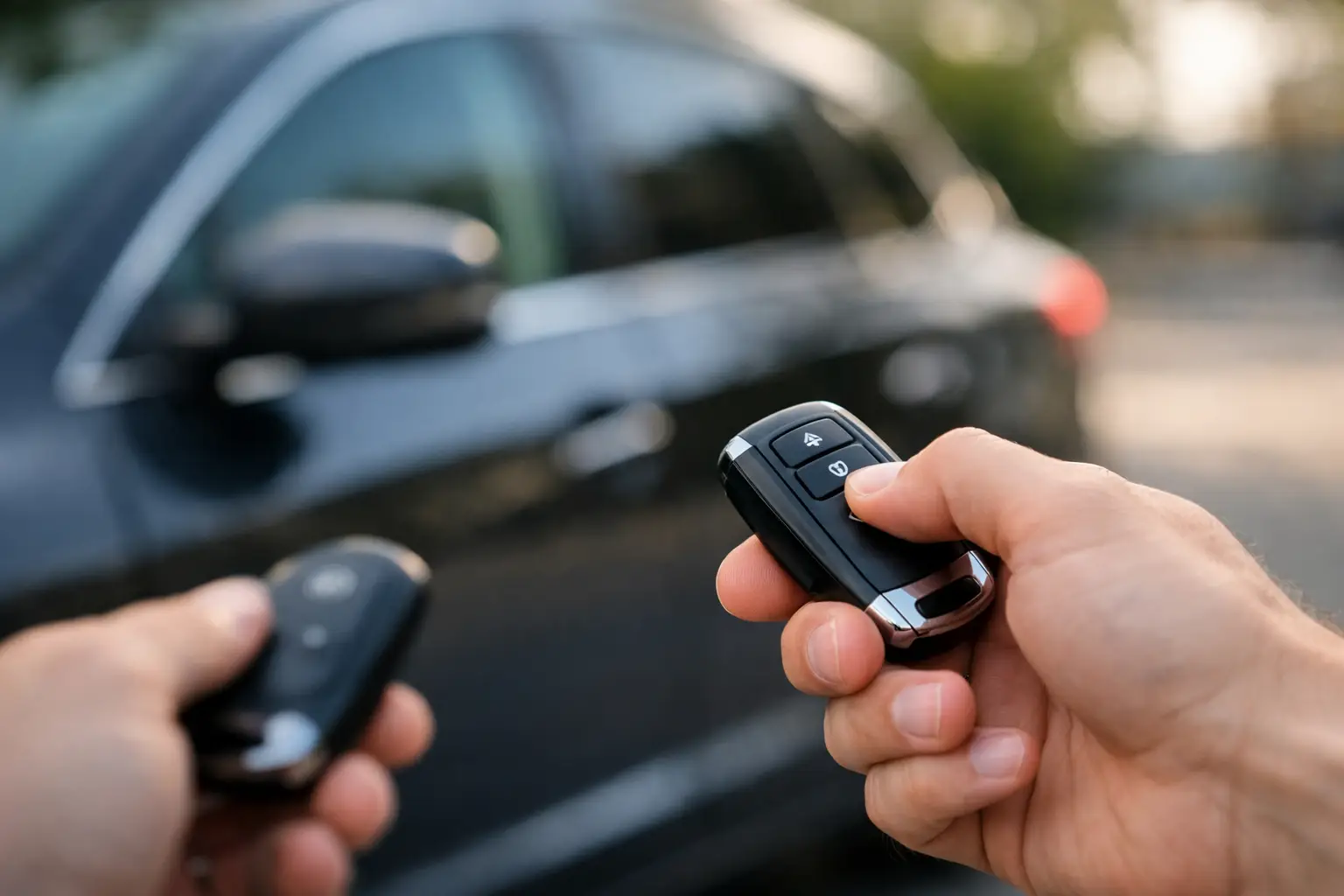
You walk up to your car, press the button, and nothing happens. No unlock, no lights, no response. When a car key fob not working situation hits at the wrong time – before work, in a parking lot, late at night, or with kids waiting in the car – it goes from annoying to urgent fast.
The good news is that a dead or unresponsive fob does not always mean you need a full replacement. Sometimes the fix is simple. Other times, the issue is with the programming, the vehicle, or internal damage inside the remote. The key is figuring out which problem you are actually dealing with before you waste time or money.
Why a car key fob stops responding
Most key fobs fail for a small number of reasons. The battery is the most common one, especially if the buttons have been getting weaker over time or you have had to stand closer and closer to the vehicle to get a response. A weak battery can make the fob seem random, where it works once and then stops.
Physical damage is another major cause. Key fobs go through a lot – drops, heat, moisture, pocket pressure, and years of use. Inside the shell, the battery contacts, circuit board, and button pads can wear out or shift. Even if the casing looks fine, the inside may not be.
Then there is programming loss or signal mismatch. This can happen after a battery change, an electrical issue, prior repair work, or vehicle computer problems. In some vehicles, a fob can still unlock doors manually but fail to communicate correctly with the immobilizer or push-to-start system.
There is also the chance that the problem is not the fob at all. A bad car battery, blown fuse, faulty door lock actuator, or receiver issue in the vehicle can make a healthy key fob look dead.
What to check first when your car key fob is not working
Start with the basics. If you have a spare fob, test it right away. That one step tells you a lot. If the spare works, the issue is almost certainly with the main fob. If neither works, the problem may be in the vehicle.
Next, use the mechanical key if your fob has one hidden inside. Many drivers forget it is there until the electronics fail. If the manual key opens the door, you can at least get inside and avoid being stranded outside the vehicle.
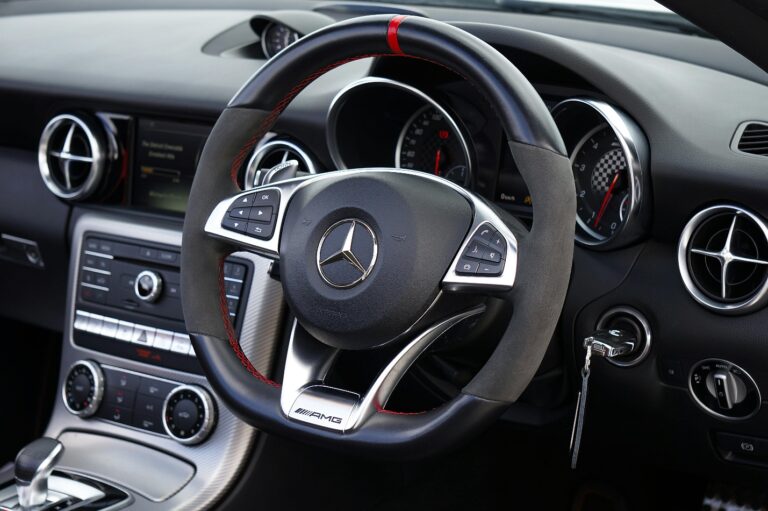
If your car uses push-to-start, try holding the fob directly against the start button or the marked backup start area. Many vehicles have an emergency detection method for low-battery fobs. This can allow the engine to start even when the remote buttons stop working.
Look at the symptoms carefully. If the fob unlocks the car but will not start it, that points in a different direction than a fob that does nothing at all. If one button works and the others do not, worn contacts or button damage may be the issue. If the range suddenly dropped before complete failure, the battery is still the top suspect.
The battery might be the whole problem
A weak battery is cheap to fix, but there are a few catches. Not every battery swap is equal. Installing the wrong battery size, putting it in backward, or bending the contact clips can leave you with the same problem you started with.
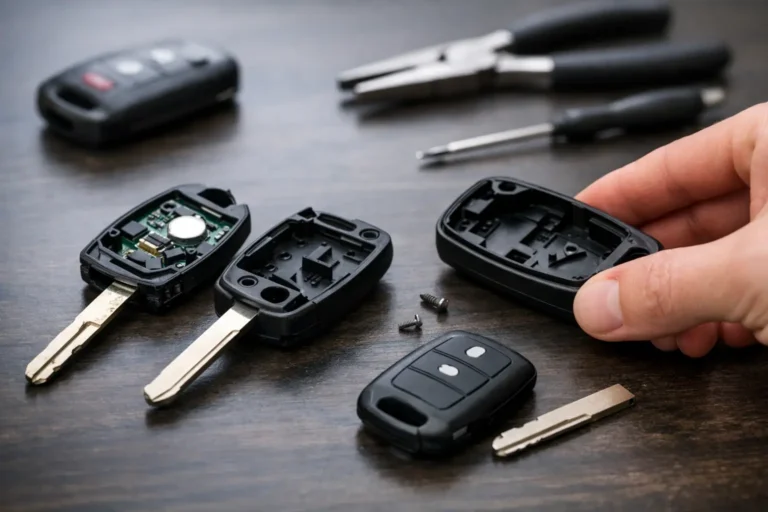
If you open the fob, do it carefully. Some housings pop apart easily, but others crack if forced from the wrong side. Once open, check for corrosion, loose battery contacts, or signs of moisture. If the old battery leaked, a fresh battery alone may not solve anything.
After replacing the battery, test every function. Lock, unlock, trunk release, panic alarm, and push-to-start recognition if your car has it. A fob that partially works may still need repair or reprogramming.
When the fob shell or buttons are worn out
A lot of people assume the electronics are dead when the real problem is button wear. Over time, the rubber button pads flatten, tear, or stop pressing the switch underneath. You may have to push unusually hard, or only one edge of the button works.
In those cases, a shell replacement or key fob repair may be enough. That is usually more affordable than replacing the entire unit, especially for older vehicles. But it depends on the condition of the internal board. If the board is cracked or water-damaged, the repair may not last.
This is where hands-on inspection matters. A locksmith who works with automotive remotes every day can usually tell whether the fob is worth repairing or if replacement is the better move.
A car key fob not working can be a programming issue
Programming problems are common with newer vehicles and smart keys. If the fob battery is good and the casing looks fine, but the vehicle still does not recognize it, the signal may need to be reprogrammed or synced.
This is not the kind of issue you want to guess at. Some vehicles allow basic onboard programming steps, but many require professional diagnostic tools. Luxury models, late-model push-to-start systems, and proximity keys often need equipment that talks directly to the vehicle computer.
There is also a trade-off here. Online instructions sometimes work for older models, but the wrong procedure can waste time or create more confusion when you are already stuck. If you need the car running now, mobile programming service is usually the faster path.
When the problem is really the car
If multiple fobs stop working at once, focus on the vehicle. A weak car battery can affect remote access and start authorization. In some cars, the fob receiver or antenna system can fail. Door lock modules and blown fuses can also create symptoms that look like a bad remote.
Pay attention to whether the car shows any dashboard warnings, slow cranking, electrical glitches, or failure to detect the key even inside the cabin. Those clues matter. They can keep you from buying a replacement fob when the real issue is under the hood or inside the vehicle electronics.
Should you repair, reprogram, or replace it?
It depends on the age of the fob, the type of damage, and how quickly you need a reliable solution. If the shell is cracked and the buttons are worn, repair often makes sense. If the battery died and everything else is healthy, a simple battery replacement may be enough.
If the fob has internal board damage, water exposure, or complete communication failure, replacement is usually the safer call. And if the remote works for locks but not for starting the vehicle, programming or transponder work may be required.
For many drivers, the smartest move is not chasing the cheapest fix first. It is getting the correct diagnosis fast, especially when you are dealing with work, school pickup, a parking garage, or a late-night emergency.
Why mobile locksmith service helps in this situation
When your key fob fails, the last thing you want is towing, dealership delays, and days without a working car. A mobile automotive locksmith can usually test the fob, verify whether the issue is battery, damage, or programming, and handle many repairs or replacements on-site.
That matters when time is tight. If you are at home, at work, or stranded in a lot, on-location service cuts out the extra step of getting the car somewhere else first. For drivers in busy areas like Miami-Dade, that convenience is not a luxury. It is often the difference between losing half a day and getting back on the road quickly.
Precise Locksmith LLC handles these kinds of vehicle key problems where they happen, with mobile service designed for urgent situations. If your remote suddenly quit, calling for direct help is often faster than trying three different fixes in the heat.
How to avoid the same problem again
Once you get the fob working, do yourself one favor – do not wait for the next failure. Replace weak batteries early, especially if the range starts dropping. Keep the fob dry and out of extreme heat. If the shell is cracked, repair it before moisture gets inside.
A spare key or backup fob also saves a lot of stress. People usually think about duplicates after they are already locked out or stranded. Getting one made ahead of time is almost always cheaper and easier than handling an emergency on the fly.
If your car key fob is not working, the fastest solution is the one that matches the real problem. A quick battery swap might do it. A damaged remote might need repair. A newer vehicle may need professional programming. Either way, the goal is simple – get the doors open, get the car started, and get your day moving again.