Transponder Key Versus Smart Key Differences
Your car key stopped working, the fob is missing, or you need a spare before the next family member gets stranded. The transponder key versus smart key question matters because these systems work differently, require different programming, and can affect how quickly a replacement can be made at your location. Knowing what you have helps you ask for the right service and avoid paying for features your vehicle does not use.
What Is a Transponder Key?
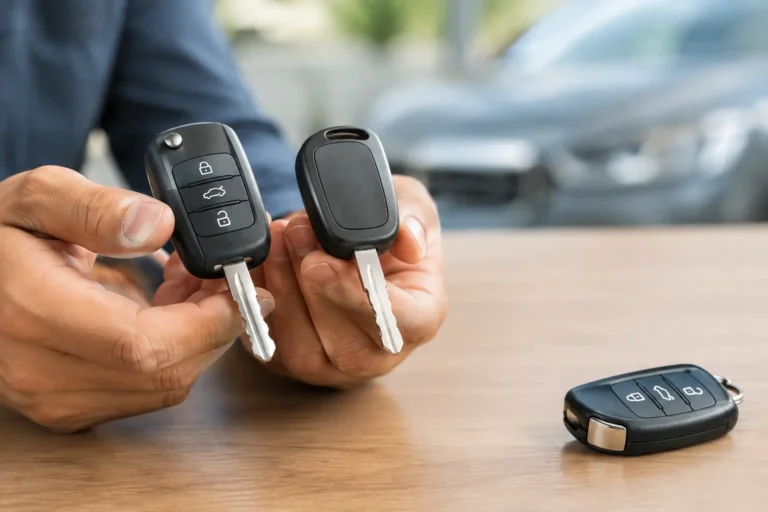
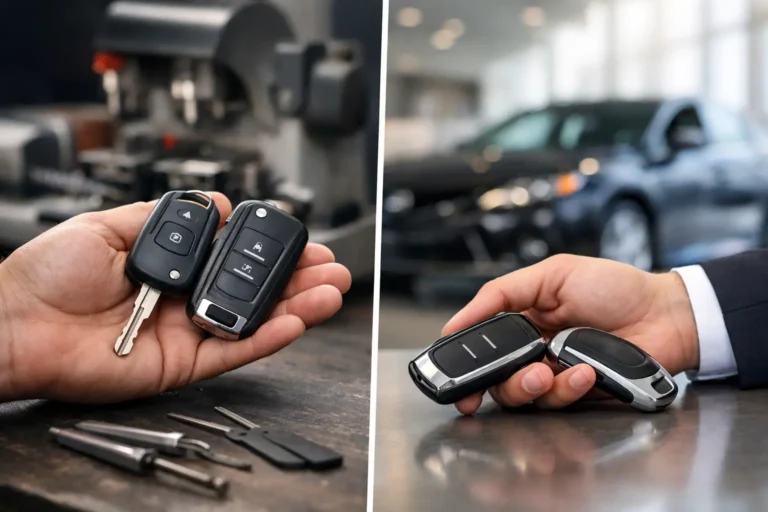
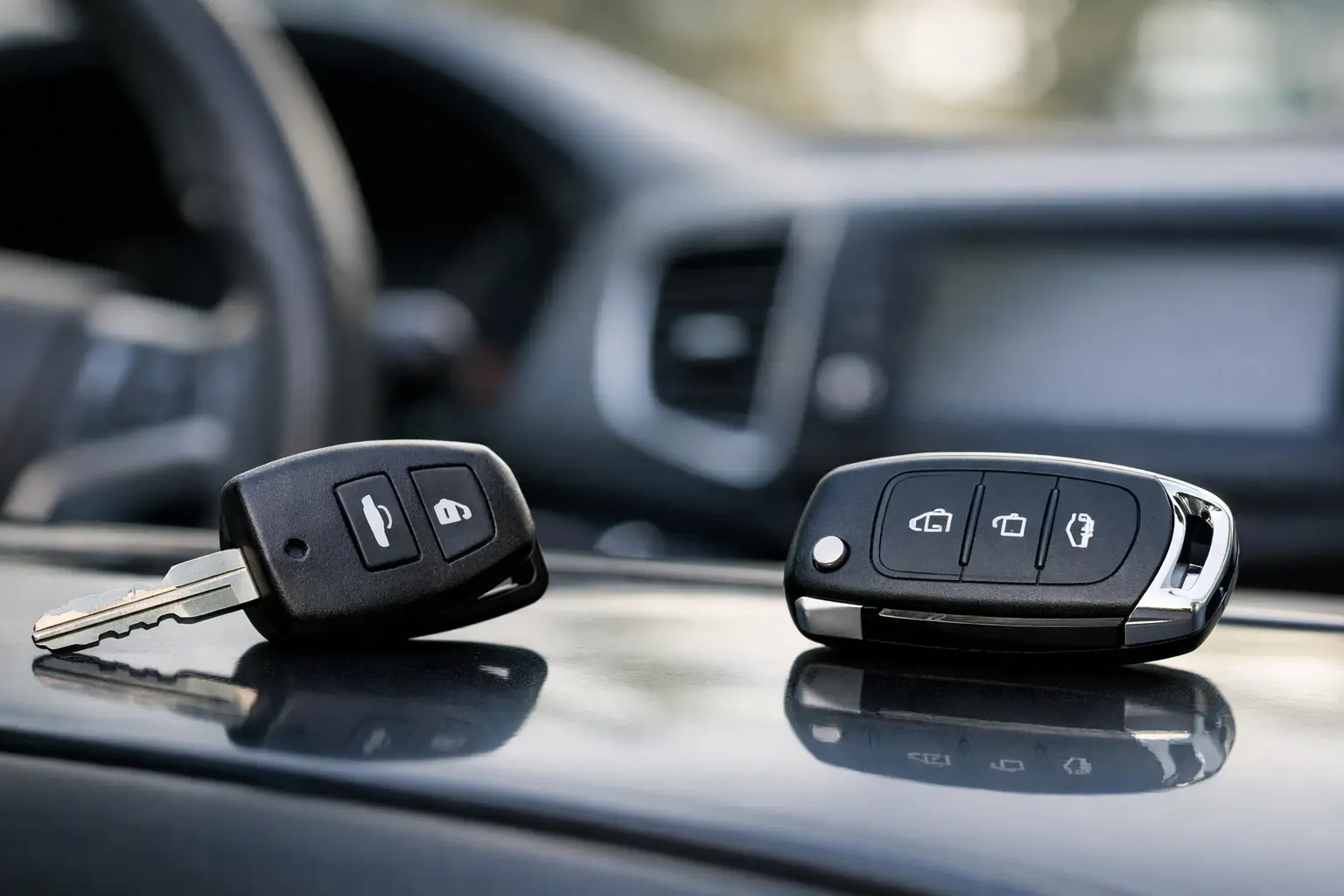
A transponder key looks like a traditional metal car key, but it contains a small electronic chip inside the plastic head. When the key is inserted into the ignition and turned, the vehicle reads the chip’s unique code. If the code matches what the car recognizes, the engine is allowed to start.
The metal blade still has a job. It physically turns the ignition cylinder and may unlock the door. But cutting the blade alone is not enough on most chip-key vehicles. A key can fit the ignition perfectly and still fail to start the car if its transponder chip has not been programmed.
Transponder keys became common because they add theft protection without making the key difficult to use. For many drivers, the routine feels exactly like using an older key: insert it, turn it, and go. The difference only becomes obvious after a lost, damaged, or improperly programmed key leaves the car unable to start.
What Is a Smart Key?
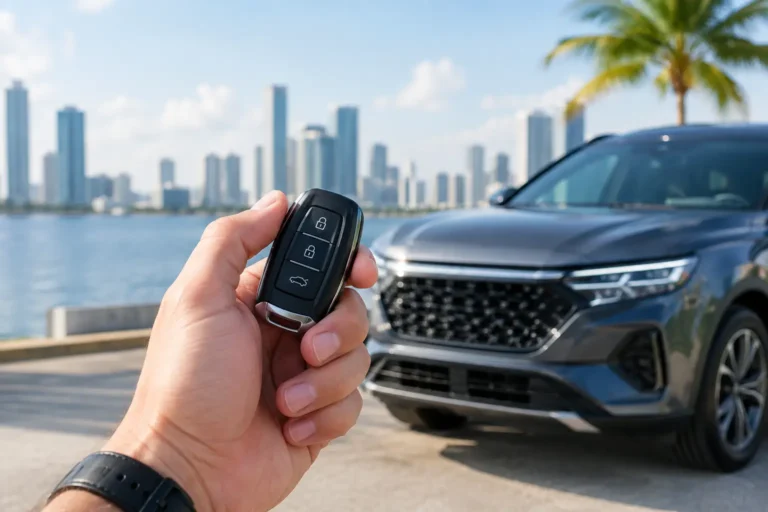
A smart key is a proximity device, often called a key fob or keyless entry fob. Instead of inserting a blade and turning an ignition, you carry the fob with you. As long as the vehicle detects the correct fob nearby, you can usually unlock the doors by touching the handle and start the engine with a push-button.
Most smart keys communicate with the vehicle through radio signals and encrypted data. Many include a hidden emergency metal key inside the fob. That key can open the driver door if the fob battery dies, although the exact emergency-start procedure varies by vehicle.
A smart key offers convenience, especially when your hands are full or you are getting into the car at night. It is also more complex than a basic transponder key. Replacing one can involve programming the fob, cutting an emergency blade if applicable, and checking that lock, trunk, remote, and push-to-start functions all work correctly.
Transponder Key Versus Smart Key: The Main Differences
The biggest difference is how you start the vehicle. A transponder key normally goes into an ignition cylinder. A smart key usually stays in your pocket, purse, or bag while you press the start button. Both use electronic authorization, but the way they communicate with the car is different.
There is also a difference in convenience. A standard transponder key is simple, durable, and usually less expensive to replace. A smart key adds remote and proximity features, but that extra technology can make replacement and programming more involved. The right choice is not really a matter of preference if you already own the vehicle – your car’s make, model, year, and factory system determine which key it accepts.
Physical wear is another practical consideration. Metal transponder keys can wear down over time, especially if the ignition cylinder is damaged or the key has been copied from a worn original. Smart fobs have fewer moving parts for daily starting, but their buttons, case, circuit board, and battery can fail. A cracked fob may work intermittently before it stops working altogether.
Security is strong with both when they are properly programmed. A transponder system prevents a copied metal blade from starting the car without the chip. A smart key uses a more advanced proximity system, yet it still needs proper programming and verification. Neither system should be replaced with a generic, unprogrammed key if you expect reliable operation.
Which Type Is Easier and More Affordable to Replace?
In many cases, a standard transponder key is faster and less costly to replace than a smart key. The technician may need to cut the metal key and program its chip, then test it in the ignition. The final price depends on the vehicle, the type of chip, the availability of the key blank, and whether all keys have been lost.
Smart key replacement often costs more because the fob itself is more advanced. Some vehicles require special diagnostic equipment, security access, or additional programming steps. If your smart key includes a concealed emergency blade, that blade may need cutting as well.
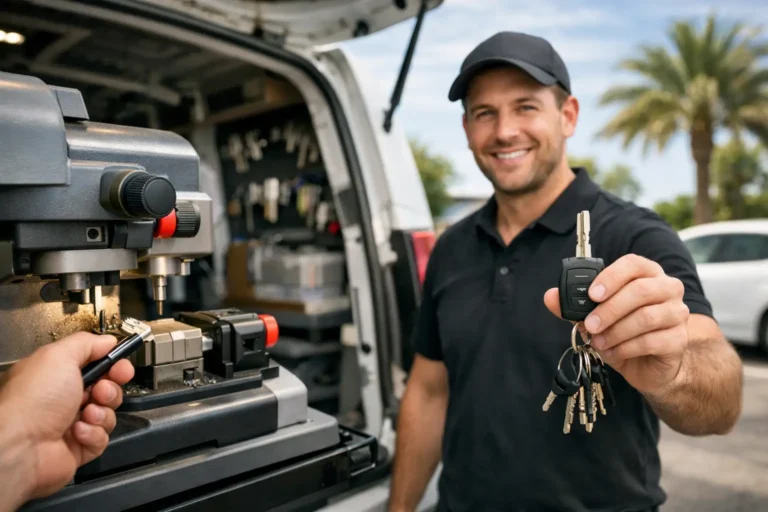
Do not assume a dealer visit is your only option. A qualified automotive locksmith can often cut and program compatible replacement keys on-site. This is especially helpful when the car cannot be driven, the only working key is gone, or you need a spare without taking time off work.
Signs Your Key Needs Service Instead of a Full Replacement
A key problem does not always mean you need a completely new key. With a transponder key, the metal blade may be worn, the plastic head may be loose, or the chip may have been damaged after a drop or water exposure. If the key turns but the security light stays on or the engine will not start, the chip or programming may be the issue.
With a smart key, start with the battery if the fob range becomes weak or the vehicle displays a low-key-battery warning. A fresh battery can solve a simple power issue. If the fob still fails, has water damage, has broken buttons, or is not detected by the car, it may need repair, reprogramming, or replacement.
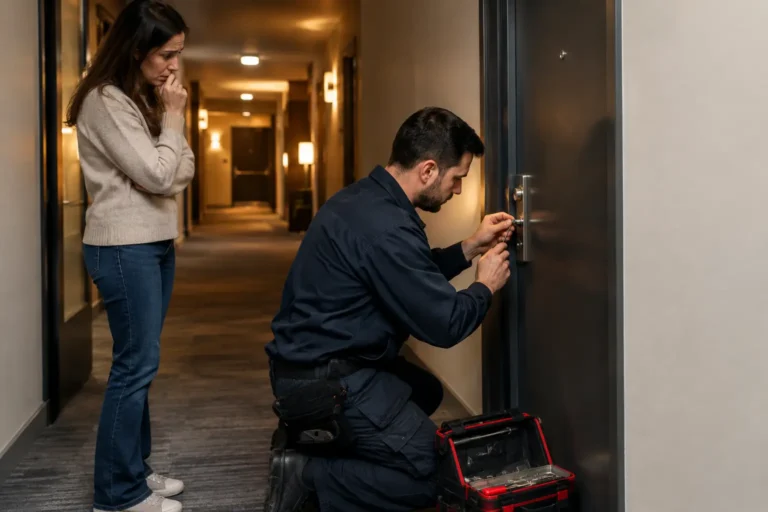
Do not force a metal key into a stubborn ignition or door lock. A worn key, failing ignition cylinder, or damaged door lock can turn a small inconvenience into a broken key emergency. A mobile locksmith can inspect the key and the lock together, which is the better way to find the actual cause.
What to Do When You Lose a Smart Key or Transponder Key
First, move to a safe place if you are stranded on the road, in a parking garage, or outside your home. Gather your vehicle information, including the year, make, model, and VIN if available. A photo ID and proof of ownership may be needed before a new key can be made.
If you have a remaining working key, keep it with you. It can make duplication easier and may reduce the time needed for programming. If all keys are lost, do not panic or attempt to bypass the ignition. The vehicle can often still be serviced where it sits with the correct cutting and programming equipment.
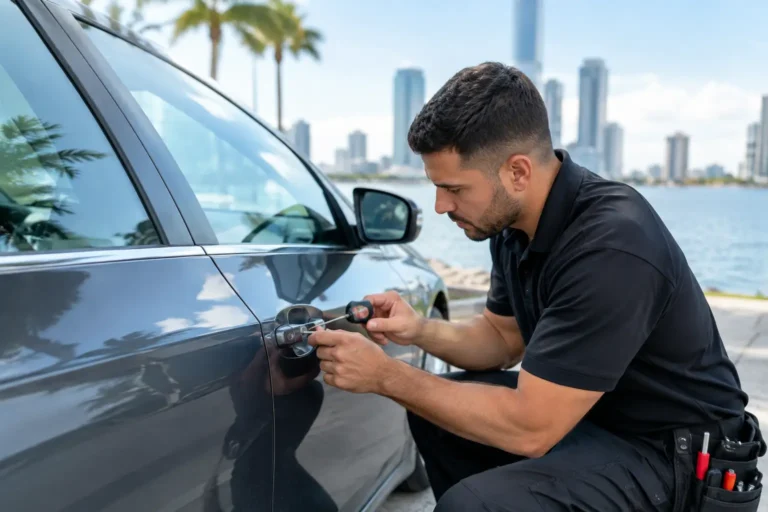
For drivers in Miami-Dade, Precise Locksmith LLC provides mobile automotive key service for lost keys, damaged fobs, key programming, ignition issues, and lockouts. The goal is simple: get the right key working at your location so you can get back on the road.
Common Questions About Car Key Technology
Can a transponder key have remote buttons?
Yes. Some keys combine a transponder chip with lock, unlock, trunk, or panic buttons. That does not automatically make it a smart key. If you must insert and turn the key to start the vehicle, it is generally still a transponder-style ignition key with remote functions.
Can I drive with a dead smart key battery?
Often, yes, but the method varies. Many push-to-start vehicles can detect the fob when it is held against or placed near a designated backup reader. The hidden emergency blade may also unlock the door. Check your owner’s manual for the exact procedure, then replace the battery promptly.
Will any used smart key work with my car?
Not necessarily. Used fobs may be locked to another vehicle, incompatible with your model, missing the correct frequency, or unable to be programmed successfully. Matching the part information and verifying programming capability before buying a fob can prevent wasted money and more downtime.
Should I get a spare before I need one?
Yes. A working spare is usually easier to duplicate than replacing every lost key. It also gives you a backup when a fob battery fails, a key breaks, or someone misplaces the primary key during a busy day.
Whether your vehicle uses a chip key or a proximity fob, do not wait until the only key is gone or failing. A tested spare and prompt repair can save you from a stressful lockout when time matters most.