8 Signs of Car Door Lock Failure to Watch For
A car door that will not lock properly can turn a normal drive into a security problem fast. The most common signs car door lock failure is developing include inconsistent locking, a key that binds, unusual noises, and a door that refuses to respond to the remote. Catching the problem early can save you from a lockout, a damaged key, or a door left unsecured in a parking lot.
For Miami-area drivers, heat, humidity, rain, heavy daily use, and worn key fobs can all contribute to door lock trouble. Some failures are simple, such as a weak fob battery. Others involve the mechanical lock cylinder, internal linkage, wiring, or the power door lock actuator. Knowing the difference helps you decide whether to troubleshoot briefly or call for mobile car lock repair right away.
8 signs of car door lock failure
1. The lock works only sometimes
An intermittent lock is one of the earliest warnings. You may press the remote and hear a click, but the door stays locked. Then it works normally later that day. The same can happen when using the interior lock switch or the physical key.
Do not assume an occasional failure will stay occasional. An actuator motor, loose connection, worn linkage, or failing fob can get worse without much warning. If the door will not reliably lock, avoid leaving valuables inside and arrange service before the issue becomes a full lockout.
2. Your key is hard to turn in the door
A key should slide in and turn with reasonable resistance. If you have to wiggle it, pull it back out, or force it to turn, the lock cylinder may be dirty, worn, corroded, or damaged internally. A bent or worn key can create the same symptoms.
Forcing the key is a costly mistake. It can snap inside the cylinder or damage the small internal pins that match your key. Do not use excessive force, pliers, or improvised tools. A locksmith can inspect the key and cylinder, remove a broken key if necessary, and repair or replace the part without damaging the door.
3. You hear clicking, grinding, or buzzing inside the door
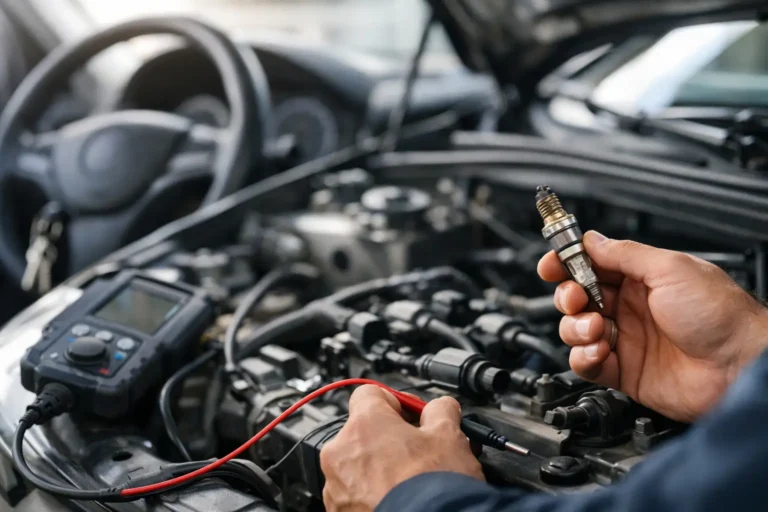
A healthy power lock usually makes one quick, controlled sound. Repeated clicking, grinding, buzzing, or a weak straining noise often points to a failing door lock actuator. That actuator is the small powered component that moves the lock mechanism when you use the fob or switch.
Sometimes the actuator still has enough power to work in cooler conditions but fails after the car has been sitting in South Florida heat. Other times, a damaged rod or clip inside the door is preventing the actuator from completing its movement. Either way, repeated noise means the mechanism needs attention before it stops altogether.
4. One door will not respond to the remote
When every other door locks but one does not, the issue is usually not the remote battery. It is more likely a problem at that specific door: a failing actuator, broken wiring in the door jamb, stuck linkage, or a damaged latch assembly.
Try the interior lock switch once, but do not keep cycling it over and over. If the same door remains unresponsive, it needs a proper diagnosis. A mobile automotive locksmith can determine whether the fault is mechanical or electronic and recommend the repair that makes sense for your vehicle.
5. The remote works only at very close range
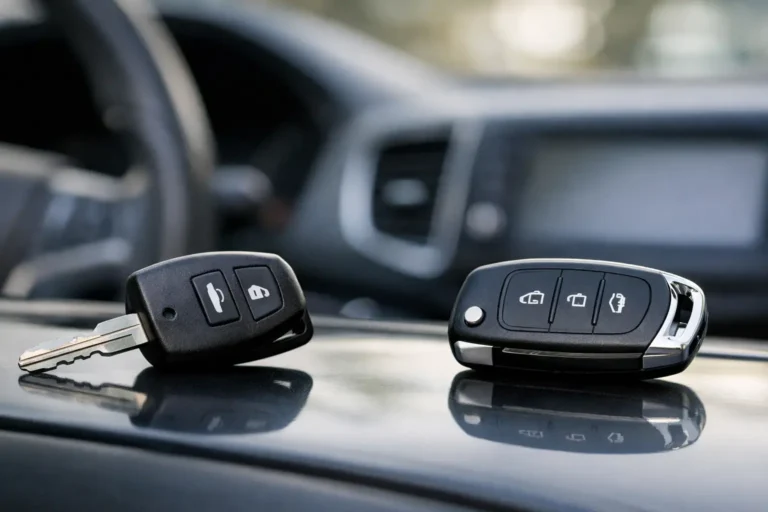
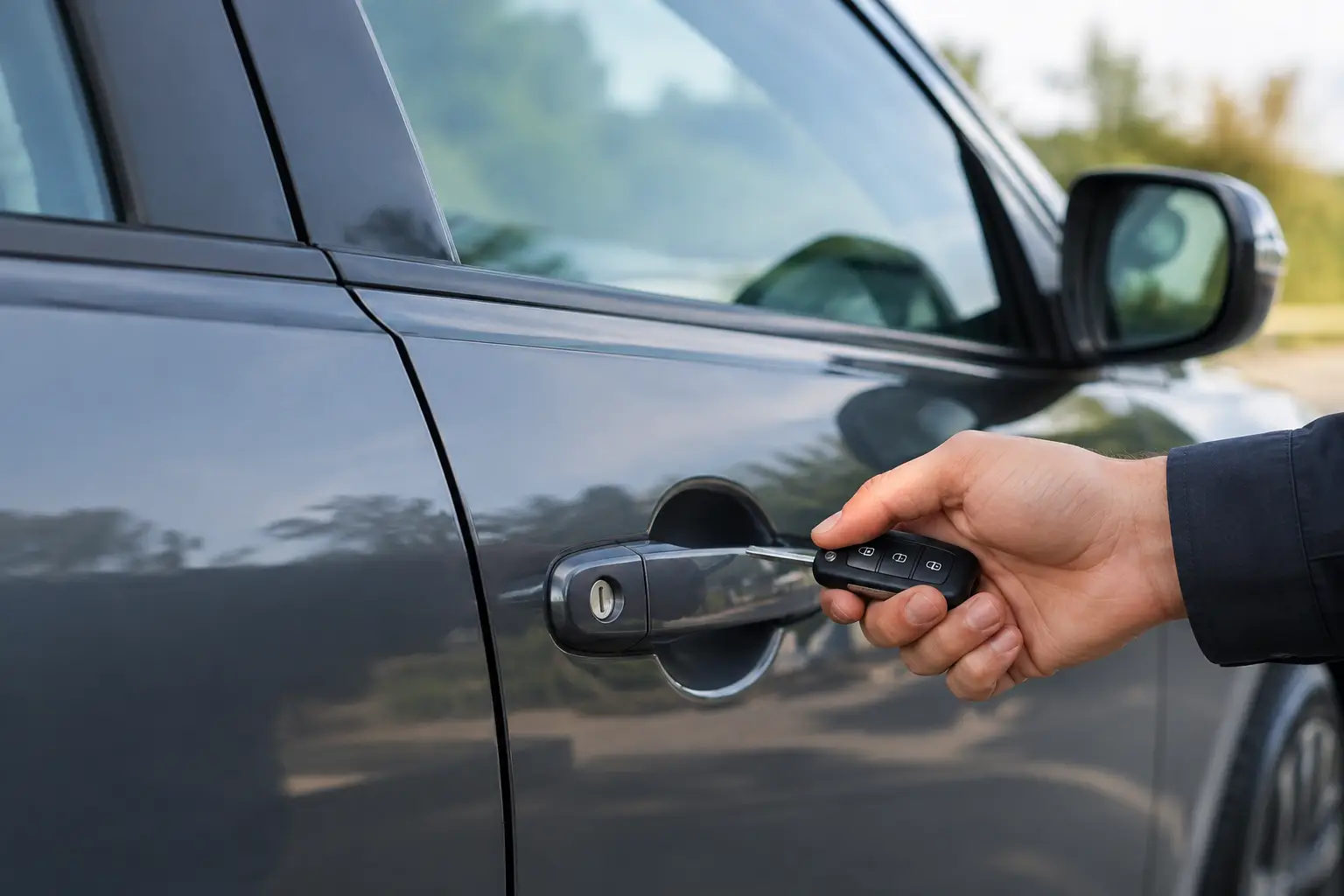
A remote that works only when you are standing next to the vehicle may have a weak battery, especially if both lock and unlock commands have become inconsistent. Replacing the battery can be a reasonable first step when the fob is otherwise intact.
However, a new battery will not solve every remote problem. Water damage, cracked buttons, a damaged circuit board, or a fob that has lost programming may require repair, replacement, or programming. If your spare remote works normally, that is a strong clue the problem is with the original fob rather than the vehicle door lock.
6. The lock knob moves, but the door stays locked
This symptom often surprises drivers because the lock knob appears to move into the unlock position. Yet the handle will not open the door from inside or outside. In many cases, the internal linkage between the lock, latch, and handles has come loose, broken, or become jammed.
This is not a problem to solve by pulling harder on the handle. Excessive force can break handle components or bend linkage further. The door panel may need careful access so the mechanism can be inspected and repaired correctly.
7. The door locks itself again or will not stay locked
If a door immediately relocks after you unlock it, or refuses to remain locked, pay attention. Some vehicles automatically relock after a short period if no door is opened, which is normal. But a door that cycles repeatedly, locks while you are trying to enter, or changes position without a clear reason may have an electrical issue, faulty actuator, or latch sensor problem.
This can also create a lockout risk. Never leave your keys, key fob, phone, or child inside while testing a door that is behaving unpredictably. Keep a window down or stand outside with the key in hand until the issue is fixed.
8. The exterior handle feels loose or does nothing
A loose handle does not always mean the lock itself has failed, but it often affects your ability to get into the car when the door is unlocked. The handle may no longer pull the latch linkage correctly, or a clip inside the door may have broken.
If the key turns and the lock knob moves but the exterior handle does nothing, do not assume you are locked out because of the key. The door hardware may be the actual problem. An experienced technician can identify whether the repair involves the lock cylinder, latch, handle linkage, or actuator.
What causes a car door lock to fail?
Car locks fail for different reasons, and the right repair depends on the design of your vehicle. Older vehicles often develop worn mechanical cylinders, bent keys, corrosion, or broken rods and clips. Newer vehicles rely more heavily on electronic actuators, key fobs, sensors, control modules, and wiring.
Everyday use matters. The driver door gets used more than any other door, so it usually wears first. Moisture can corrode components inside the door, while a hard slam can damage linkage or crack a plastic clip. Previous break-in damage, attempted forced entry, and low-quality aftermarket key work can also create problems that do not show up immediately.
A dead vehicle battery can complicate the situation too. If the remote does not work and the mechanical key cylinder is seized or damaged, getting into the car can require professional entry. That is one reason it is smart to test the physical key occasionally instead of relying only on the fob.
What you can check before calling for help
Start with the simple possibilities, but keep the test short. Check whether your other doors respond to the remote. Try your spare key or fob if you have one. If the fob range has dropped, replace its battery with the correct type. Also check that the vehicle battery is not weak, especially if other electrical features are acting strangely.
Do not spray random lubricants into an electronic door lock or force a key that is sticking. The wrong product can attract dirt, affect electrical components, or make a worn cylinder harder to repair. Avoid coat hangers, wedges, screwdrivers, and online lockout tricks as well. Modern doors contain wiring, airbags, weather seals, and components that are easy to damage.
When to call a mobile car locksmith
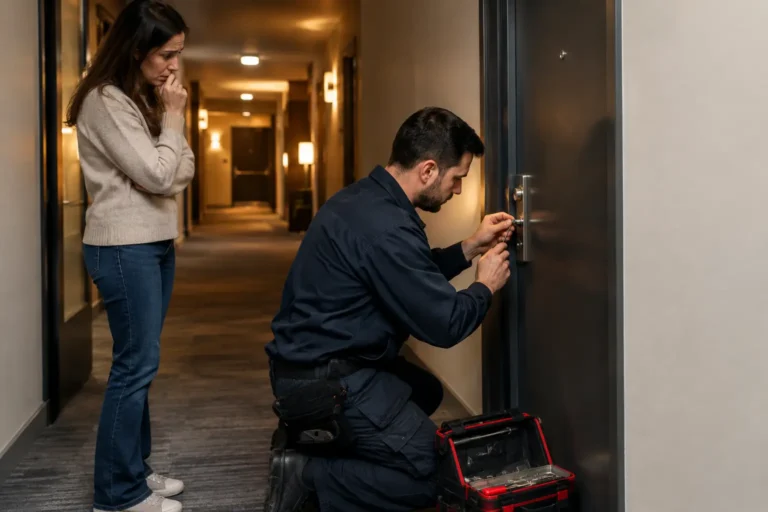
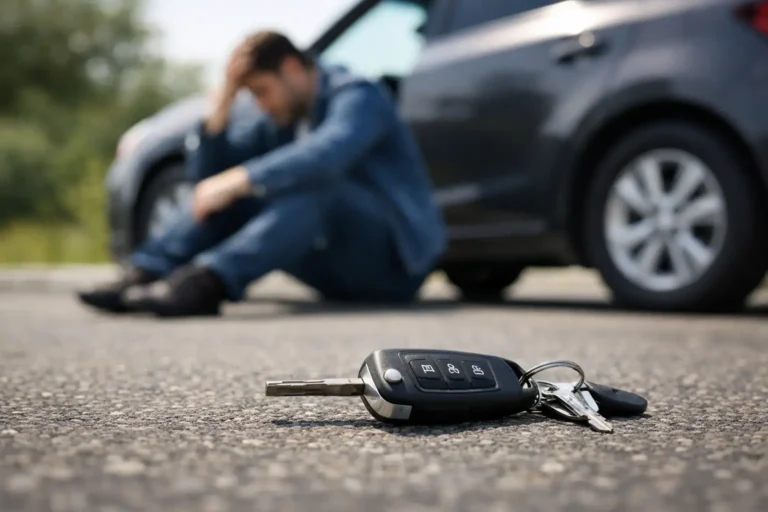
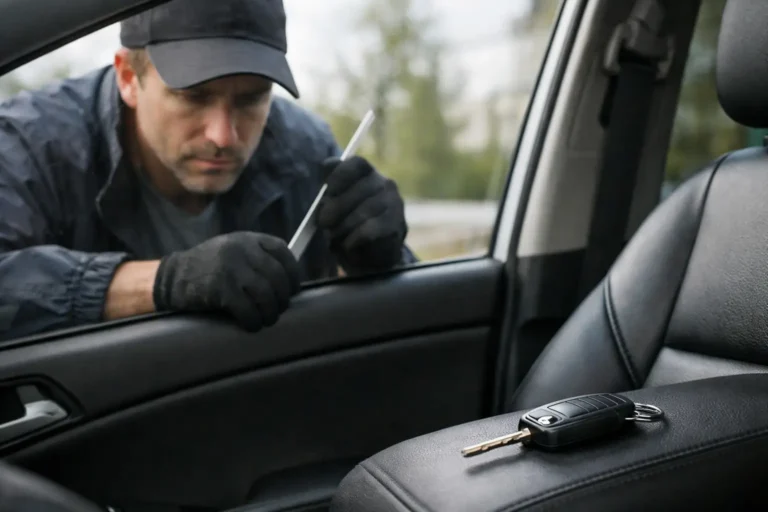
Call for help immediately if you are locked out, your key is stuck or broken, the door will not secure, or the lock is showing signs of attempted break-in. A problem that leaves the car unable to lock is not just inconvenient. It can expose the vehicle and your belongings to theft.
Precise Locksmith LLC provides mobile automotive locksmith service for drivers in Hialeah, Doral, Miami Lakes, Miami Gardens, Opa-Locka, and nearby Miami-Dade areas. A technician can come to your location to open a locked vehicle, remove a broken key, repair damaged lock components, cut a replacement key, or program a compatible key or fob when applicable.
The fastest repair is not always a full replacement. A worn key may only need duplication, a remote may need a battery or programming, and a loose linkage may be repairable. But if the actuator or latch assembly has failed, replacing the damaged component is often the dependable choice. A professional diagnosis keeps you from paying for the wrong fix.
A door lock rarely chooses a convenient time to fail. If yours is sticking, clicking, cycling, or refusing to lock, handle it while you can still access the vehicle safely and on your own terms.