Transponder Key Not Recognized? Do This
You turn the key or press the start button, and instead of the engine coming on, you get a warning that the transponder key not recognized. That usually means your car is not seeing the chip inside the key or not trusting the signal it receives. It can feel like the car is dead for no reason, but in many cases the problem is fixable on-site without towing the vehicle anywhere.
This issue shows up at the worst times – before work, outside a store, late at night, or when you are trying to pick up your kids and leave fast. The good news is that a transponder failure does not always mean you need a new car key. Sometimes the problem is the key. Sometimes it is the vehicle. Sometimes it is just a battery, interference, or a programming glitch.
Why a transponder key is not recognized
A transponder key has a small chip that communicates with your car’s immobilizer system. If the system does not detect the right code, the car may crank and die, refuse to start, or display a security warning. The exact behavior depends on the make and model.
The most common cause is a damaged or failing key chip. Keys get dropped, bent, exposed to moisture, or worn down over time. Even if the blade still turns in the ignition or the fob still unlocks the doors, the chip inside can still fail.
Another common issue is a weak key fob battery. On some vehicles, the battery only controls remote functions. On others, especially push-to-start systems, a weak battery can affect how the vehicle reads the key. If the battery is dying, the signal may be too weak or inconsistent.
Vehicle-side problems are also possible. A faulty antenna ring around the ignition, a bad immobilizer module, wiring trouble, or an ignition issue can all trigger a transponder key not recognized message. That is why guessing can waste time. A proper diagnosis matters.
What to try first when your transponder key is not recognized
Start with the simple checks before assuming the worst. If you have a spare key, try it right away. That is the fastest way to narrow down whether the problem is the key or the car. If the spare works, your original key likely needs repair, reprogramming, or replacement.
If your vehicle uses a push-to-start fob, replace the battery if you can. Many drivers wait too long because the unlock button still works from time to time, but starting the vehicle may require a stronger signal. Check your owner’s manual for the emergency start procedure too. Some cars let you hold the fob against the start button or place it in a backup slot.
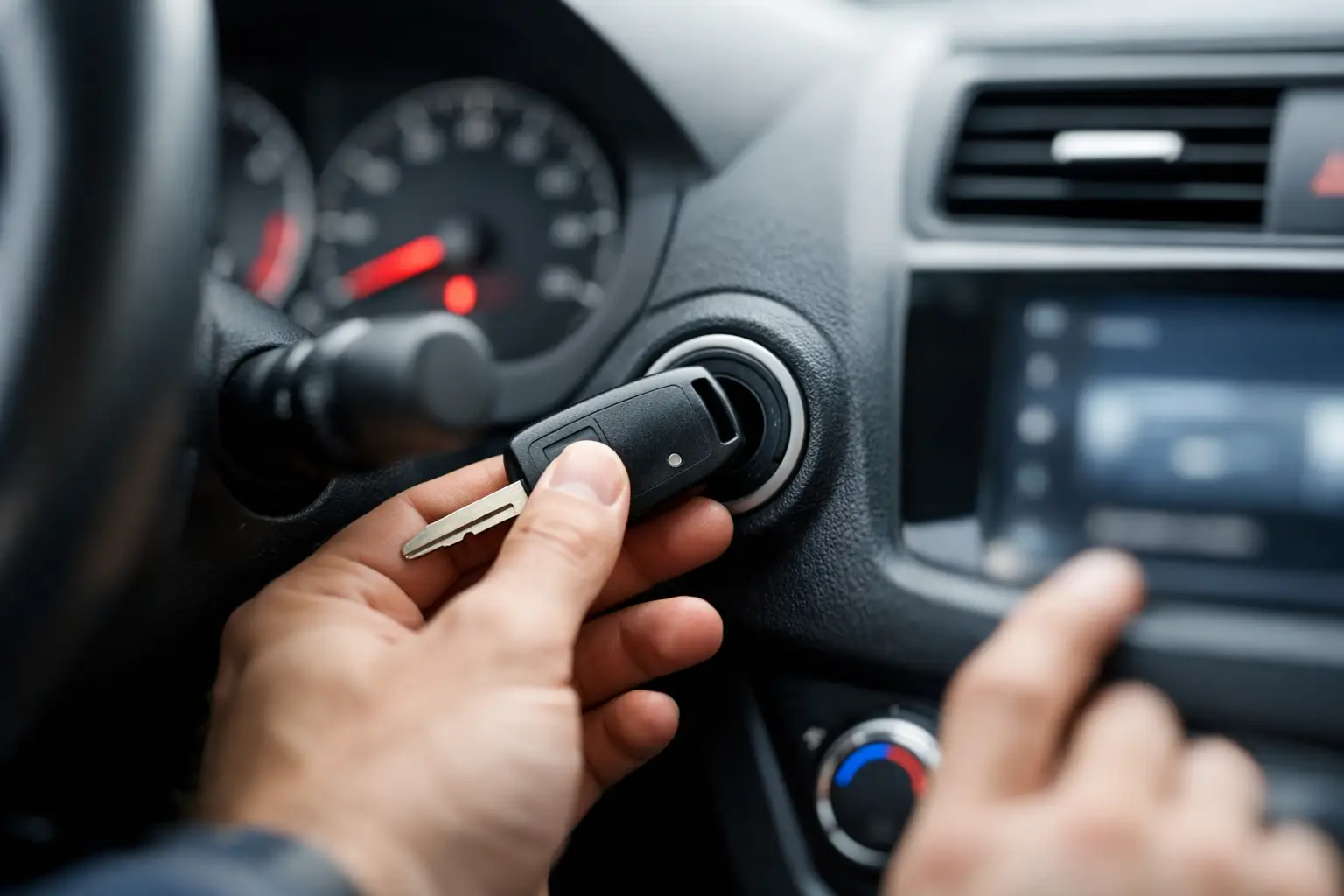
If your car has a standard ignition key, remove the key and inspect it. Look for cracks in the plastic head, signs of water exposure, or a loose casing. If the chip area has been damaged, the car may not read it consistently.
Also pay attention to signal interference. Keep the key away from other electronic devices, other chipped keys, and metal objects that may interfere with the reading process. It is not the most common cause, but it does happen.
When the issue is the key and not the car
A lot of drivers assume the key is fine because it still unlocks the doors. That can be misleading. Remote lock and unlock functions are separate from the immobilizer chip on many vehicles. So the buttons can work while the chip fails.
If the chip has lost programming or the key was cloned poorly, the vehicle may reject it even though the blade fits perfectly. This is especially common with low-quality replacement keys or aftermarket fobs that were not programmed correctly.
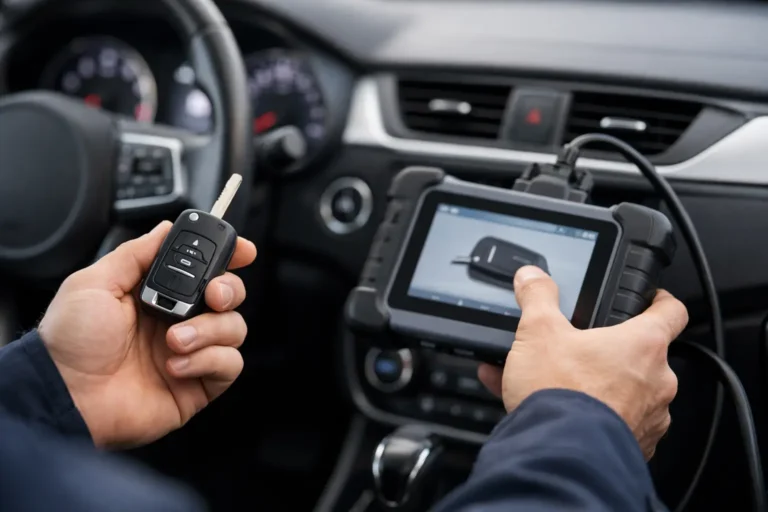
In those cases, a locksmith can usually test the key, verify whether the transponder is responding, and program a replacement on-site. That is often much faster than waiting on a dealership, especially when the car is stuck where it sits.
When the problem is inside the vehicle
If neither your main key nor your spare works, the issue may be with the vehicle’s anti-theft system. That could mean the transponder antenna is not reading the chip, the immobilizer has lost synchronization, or the ignition system is failing.
This is where many people lose time replacing batteries and buying keys they did not need. A proper automotive locksmith can check whether the key is transmitting, whether the vehicle is receiving the signal, and whether reprogramming is even possible before any parts are replaced.
Some cars are more sensitive than others. European models, newer push-to-start systems, and vehicles with previous electrical repairs can be more difficult to diagnose. It depends on the vehicle, the type of key, and whether there has already been an attempted repair.
Can you fix a transponder key not recognized issue yourself?
Sometimes, yes. If the problem is a weak fob battery, a temporary system glitch, or a damaged spare you did not realize was damaged, you may be able to solve it quickly. Trying the spare key, replacing the battery, and using the emergency start method are all reasonable first steps.
But if the car still will not recognize the key, do not keep forcing the ignition or repeatedly cycling the start button. That can drain the car battery, trigger security lockout periods, or make the situation harder to diagnose. It is better to stop early and get the right help.
A mobile locksmith is usually the practical option when the vehicle cannot start. You do not need to arrange a tow first, and the technician can work where the car is parked. For drivers dealing with this in a parking lot, apartment complex, office lot, or roadside situation, that saves time and stress.
How a mobile locksmith handles transponder key problems
A trained automotive locksmith will usually begin by confirming whether the issue is with the key, the programming, or the vehicle system. That may include testing the chip, checking for programming errors, examining the ignition area, and seeing whether the car can communicate with a replacement key.
If the key is bad, the fix may be as simple as cutting and programming a new one. If the key data has been lost, the vehicle may need to be reprogrammed. If the ignition or immobilizer is part of the problem, the technician can tell you that before you spend money on the wrong repair.
This matters because not every no-start problem is actually a key problem. From the outside, a bad ignition switch, damaged key, dead battery, or immobilizer fault can look similar. The advantage of experienced on-site service is that you get an answer fast instead of guessing.
For urgent situations in Miami-Dade, many drivers call for mobile help because the goal is simple – get the car started without adding towing fees, dealership delays, or more downtime than necessary.
How to avoid this problem later
Once you get back on the road, it is worth taking a few steps to avoid a repeat problem. Keep a working spare key and test it once in a while. Replace weak fob batteries before they fully die. Avoid dropping your keys, getting them wet, or using cracked housings that expose the chip area.
If your key has been acting inconsistent for days or weeks, do not wait until it fails completely. A key that starts the car only sometimes is already warning you. Getting it checked early is cheaper and easier than dealing with a stranded vehicle.
It also helps to use a locksmith who handles automotive programming regularly, not just lockouts. Transponder systems are specific, and experience matters when the issue involves coding, immobilizer communication, or ignition-related failures.
When to call right away
If you are stuck, your spare does not work, the key is visibly damaged, or the car shows a security warning and will not start, call right away. Waiting rarely improves a transponder problem. In some cases, the system may become even less responsive after repeated failed attempts.
Precise Locksmith LLC handles these issues on-site with mobile automotive locksmith service, which is often the fastest path when you need help now and do not want to tow the vehicle first. If your transponder key is not recognized, getting a real diagnosis early can save you time, money, and a lot of unnecessary frustration.
The best next step is the one that gets you moving again without guessing – if the easy checks fail, get someone there who can test, program, and fix the problem where your car is parked.
We provide mobile locksmith service throughout