How Long Does Car Key Programming Take?
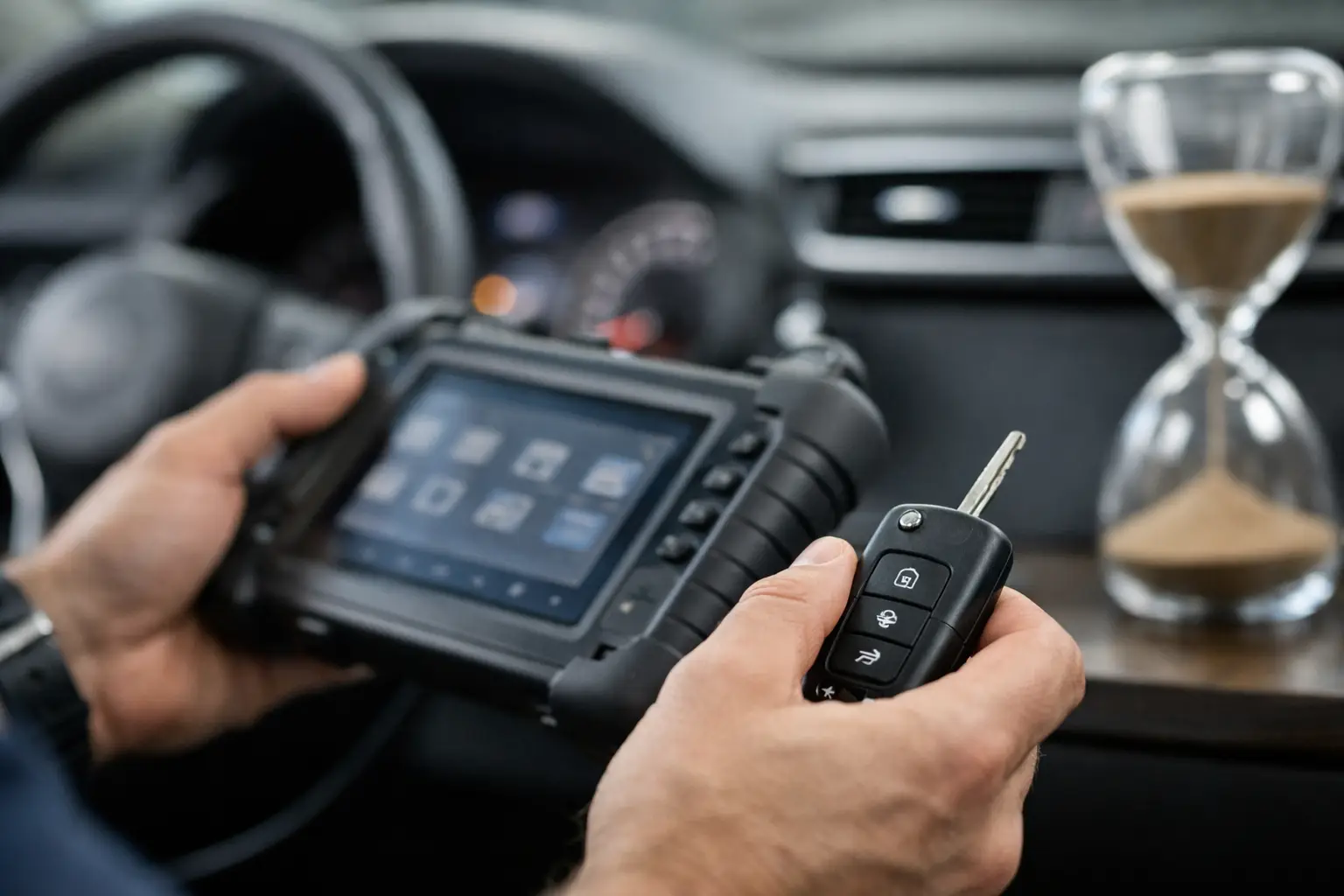
You usually ask how long does car key programming take when you are already stuck, late, or standing in a parking lot with no good backup plan. The short answer is this: most car key programming jobs take about 15 to 60 minutes on-site. The longer answer depends on the vehicle, the type of key, whether all keys are lost, and whether the problem is really programming or something deeper.
If you need help fast, the biggest factor is not just the key itself. It is whether the technician arrives with the right equipment, the right blank, and real experience with your vehicle system. That is why two jobs that look the same from the outside can end up taking very different amounts of time.
How long does car key programming take for most vehicles?
For many standard vehicles, programming a duplicate transponder key or key fob can be done in 15 to 30 minutes once the locksmith is on-site and ready to work. That is the best-case scenario. The key is available, the system responds normally, and there are no issues with the immobilizer, ignition, or vehicle battery.
For newer push-to-start vehicles, programming often takes 30 to 60 minutes. These systems are usually more secure and may require extra steps to pair the smart key, sync remote functions, and confirm that the car starts correctly. Some makes are straightforward. Others require a more involved process and more patience.
If all keys are lost, the job can take longer. In that situation, the locksmith may need to cut a new emergency key, access vehicle data, erase missing keys from the system, and then program a brand-new key from scratch. That can push the timeline closer to 45 to 90 minutes, depending on the vehicle.
What affects how long car key programming takes?
The vehicle make and model matters more than most drivers expect. Some cars are quick to program because the onboard system is simple and the software responds fast. Others have stricter anti-theft systems that require more steps, security codes, or special diagnostic procedures.
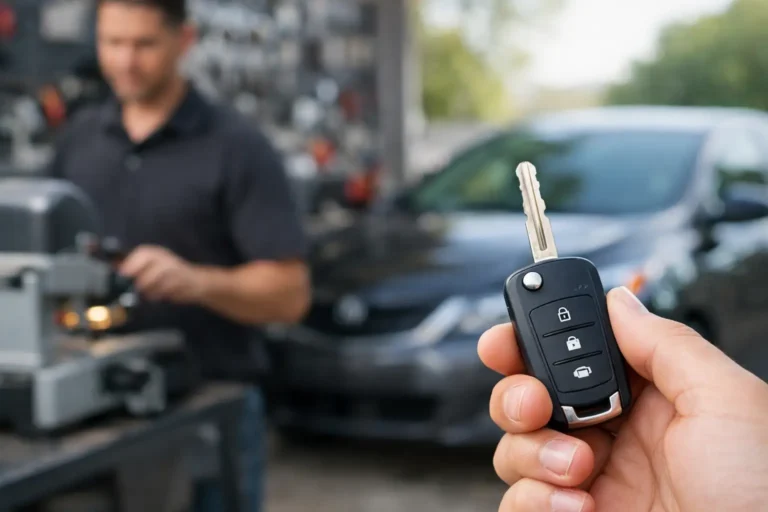
The type of key also changes the timeline. A basic transponder key is usually faster than a proximity smart key. Remote head keys and flip keys fall somewhere in the middle. If the key has to be cut before it can be programmed, that adds time too.
Then there is the condition of the vehicle itself. A weak battery, damaged ignition, faulty receiver, or previously programmed aftermarket key can slow everything down. Sometimes a customer calls for programming, but the real issue turns out to be a dead key fob battery, a bad ignition switch, or a key that was physically damaged after being dropped in water.
That is why a good locksmith checks the full situation before giving a hard time estimate. A fast answer is helpful, but an accurate answer is better when you are trying to get back on the road.
Duplicate key vs. all keys lost
A duplicate key is usually the faster job. If you still have one working key, the locksmith can often use that active key to help program the new one. That saves time and reduces guesswork.
An all-keys-lost call is different. Now the technician is building the solution from zero. That may include decoding the lock, cutting the blade, accessing immobilizer data, and making sure old missing keys no longer work with the car. It is still something a mobile automotive locksmith can often do on-site, but it naturally takes longer.
Older cars vs. newer push-to-start models
Older vehicles with basic chip keys can be relatively quick. Newer vehicles with smart keys, proximity systems, and encrypted modules often require more steps. In some models, even gaining system access takes extra time.
That does not mean newer cars always take forever. It just means there is less room for shortcuts. A professional locksmith has to do the job carefully so the key works properly for lock, unlock, trunk access, panic, and engine start.
Why some key programming jobs take longer than expected
The biggest delays usually come from problems customers cannot see. The key may not be the only issue. If the car battery is weak, the programming may fail or reset. If the ignition is worn, the key may program but still not turn smoothly. If there is a communication issue between modules, the locksmith may need to troubleshoot before finishing the job.
Aftermarket keys can also cause delays. Some are perfectly usable, but others are low quality or not fully compatible with the vehicle. A key that looks right online is not always the right chip, frequency, or board version. If the wrong key was purchased ahead of time, programming can stall until a proper replacement is used.
There are also cases where the system has a built-in wait period. Some vehicles require a timed security procedure before adding or relearning keys. That can stretch the total visit even when the technician is doing everything correctly.
Can a mobile locksmith program a car key faster than a dealership?
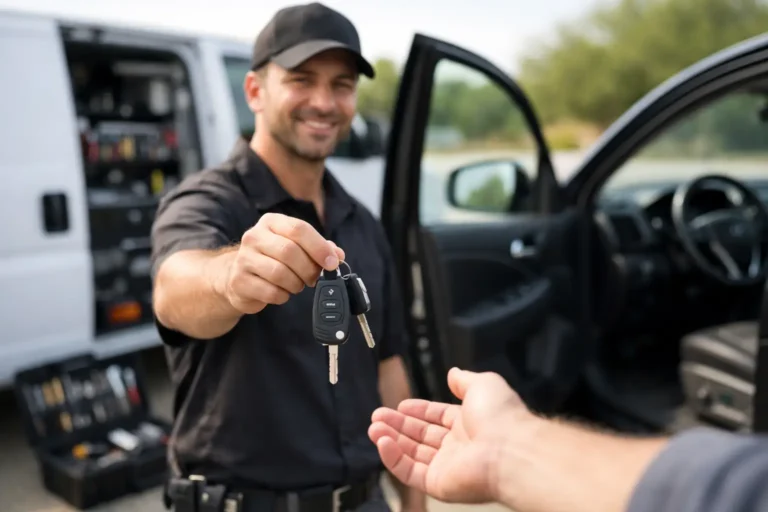
In many cases, yes – especially when speed and convenience matter most. A mobile automotive locksmith comes to your location, which cuts out towing, waiting rooms, and service line delays. If the technician has the right equipment and key in stock, the programming itself may take the same amount of time or less than it would at a dealership, but the overall process is usually much faster for the customer.
Dealerships can still be the right choice in some situations, especially for rare models or when factory-only software is required. But for many everyday lock and key emergencies, a qualified mobile locksmith can handle cutting and programming on-site without the extra hassle.
That matters when you are at work, at home, or stranded in a parking lot and need the problem solved where the car sits. For drivers in busy areas like Miami-Dade, mobile service is often the difference between a one-hour fix and losing most of the day.
How long does car key programming take if the key is broken or damaged?
If the key shell is cracked, the blade is bent, or the fob stopped working after impact or water exposure, the job may involve more than just programming. The locksmith may need to test the chip, replace the shell, install a new battery, recut the blade, or confirm that the board is still functioning.
If the internal electronics are dead, programming alone will not solve it. The damaged key may need to be replaced completely. In that case, the visit can still move quickly, but it depends on whether a compatible replacement is available on the truck and whether the vehicle accepts the new key without extra troubleshooting.
What you can do to speed up the process
A few details can save time right away. Have your vehicle year, make, model, and VIN ready if possible. Tell the locksmith whether you still have a working key, whether the car uses push-to-start, and whether the problem started suddenly or after the key was dropped, soaked, or stopped unlocking the doors.
It also helps to mention if the car battery is weak or recently died. That kind of information sounds small, but it can point the technician toward the real issue before the service even begins.
If you are requesting emergency help, be as specific about your location as possible. Fast dispatch only works when the technician can find you quickly and arrive with the right equipment.
When fast service matters most
Car key programming is not just a convenience issue. For many drivers, it is a work issue, a family issue, or a safety issue. If your child is with you, if you are stuck late at night, or if your only key stopped working before a shift, every extra minute feels longer.
That is why experience matters. The right locksmith does not just show up with generic tools and hope for the best. They diagnose the problem, explain the timeline clearly, and finish the job on-site whenever possible. A company like Precise Locksmith LLC is built around exactly that kind of response – practical help, fast dispatch, and getting drivers moving again without wasting time.
If you are wondering how long your specific key will take, the most honest answer is usually 15 to 60 minutes for standard programming, and longer if all keys are lost or the vehicle has another issue hiding behind the key problem. The fastest way to know for sure is to call with your vehicle details and get a real estimate based on the car in front of you, not a guess from a search result.
When your key stops working, time matters – but getting the job done right matters more.