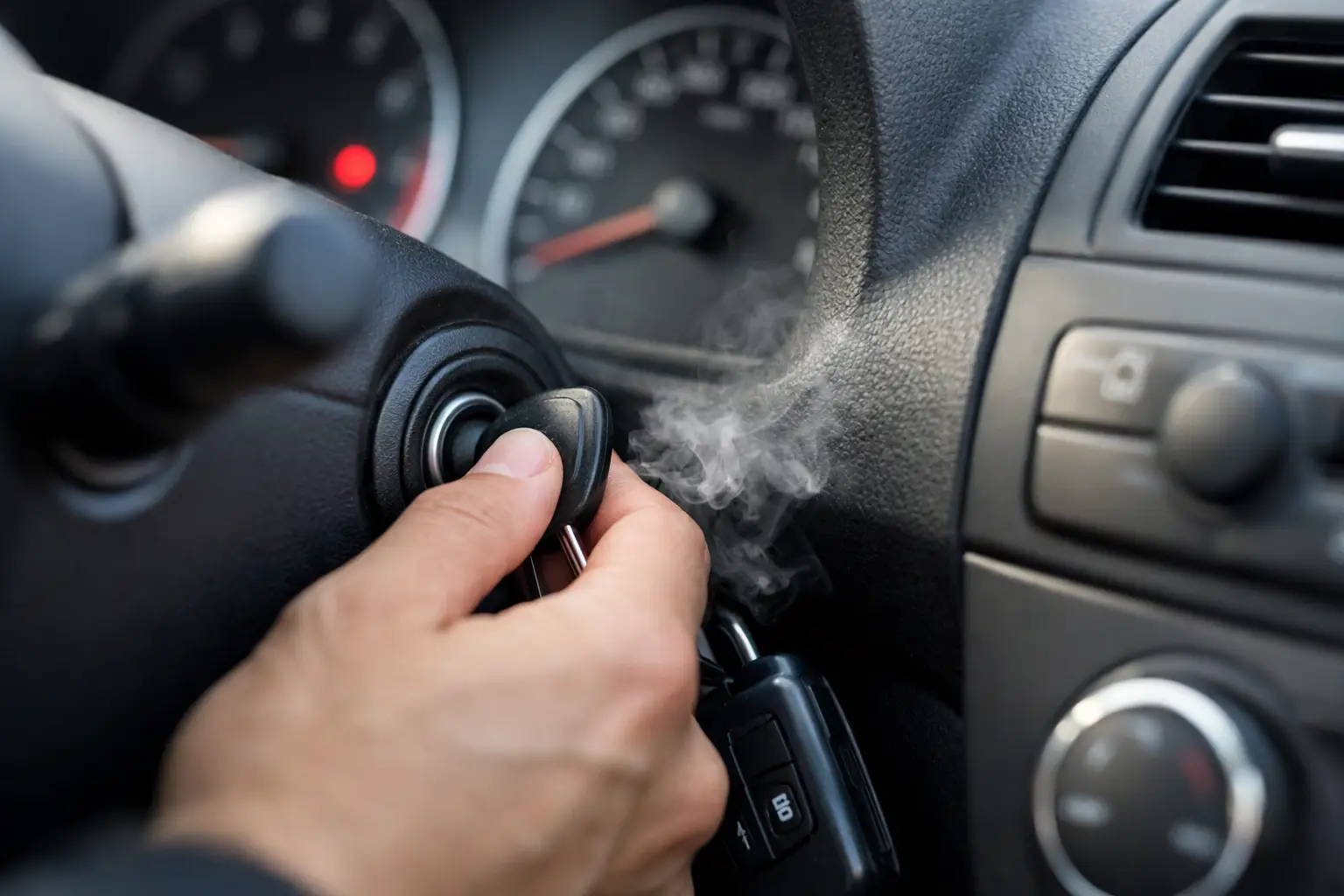
7 Signs of a Bad Ignition Switch
You turn the key, the dash lights flicker, the engine hesitates, and now you are stuck wondering whether the battery is dead, the starter failed, or something deeper is wrong. One of the most overlooked signs of a bad ignition switch is how inconsistent the problem feels. The car may start fine in the morning, act up after work, and then refuse to cooperate when you are already late.
That inconsistency is exactly what makes ignition switch trouble so frustrating. Unlike a completely dead battery or a snapped key, a failing switch often gives mixed signals before it stops working altogether. If you catch those warning signs early, you may avoid a no-start situation, a stalled engine, or damage caused by forcing the key or continuing to drive with an electrical fault.
What an ignition switch actually does
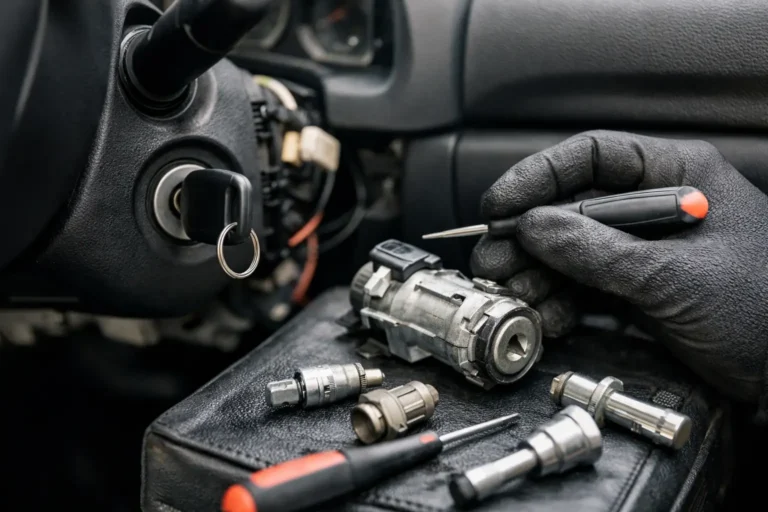
The ignition switch is the part that receives your key or works with your push-to-start system to send power where it needs to go. It helps activate the dashboard, fuel system, accessories, and starter sequence. When it begins to fail, the issue is not always just starting the car. It can affect power delivery in several stages, which is why the symptoms can look electrical one minute and mechanical the next.
This also explains why drivers sometimes mistake ignition switch trouble for a bad battery, worn starter, faulty alternator, or key programming issue. The symptoms overlap. The difference is that ignition switch problems often show up as random power loss, intermittent starting, or a key that turns but does not consistently trigger the right response.
Common signs of a bad ignition switch
1. The car starts only sometimes
This is one of the clearest signs something is wrong. You turn the key and get nothing, then try again and it starts. Or it starts only if you jiggle the key, hold it in a certain position, or wait a few seconds before turning it all the way.
That usually points to worn internal contacts inside the switch. They may still connect occasionally, but not reliably. A problem like this rarely fixes itself. It usually gets more frequent until the car stops starting at all.
2. The dashboard lights flicker or stay dark
When the ignition switch is working properly, your dash should power up consistently. If the instrument panel flickers, goes dark, or only partially lights up when you turn the key, the switch may not be sending stable power.
Drivers often assume this means the battery is weak. Sometimes that is true. But if the battery tests fine and the dash still behaves unpredictably, the ignition switch deserves a closer look.
3. The engine cranks but quickly dies
In some cases, the engine starts and then shuts off almost immediately. That can happen when the ignition switch powers the starting sequence but fails to maintain the electrical connection needed to keep the engine running.
This symptom can also show up while driving. If your engine suddenly cuts out and then restarts later, do not ignore it. A bad ignition switch can create a real safety issue, especially in traffic or at intersections.
4. Accessories stop working in certain key positions
Your radio, power windows, interior lights, or climate controls may work in one key position but fail in another when they should not. Or you may notice that moving the key slightly changes what powers on.
That is another sign the internal switch contacts are worn, loose, or damaged. It may seem minor at first, but accessory problems can be the early stage of a bigger ignition failure.
5. The key is hard to turn or feels loose
A hard-turning key does not always mean the ignition switch itself is bad. Sometimes the issue is in the ignition cylinder, the key blade, or steering wheel lock tension. But if the key suddenly feels unusually loose, catches, sticks, or does not return smoothly after starting, the switch assembly may be wearing out.
This is where diagnosis matters. Forcing the key can make a repair more expensive, especially if the key breaks off inside the ignition.
6. There is no response when you turn the key
No click, no crank, no dash change, no sound at all. That silent failure can point to a fully failed ignition switch, especially if the battery is charged and other electrical systems still work.
At that point, many drivers assume they need a tow and a dealership visit. Depending on the vehicle and the exact problem, mobile ignition repair may be possible on-site, which saves time and keeps the situation from getting more stressful than it already is.
7. The car stalls while driving
This is the most serious symptom on the list. If the ignition switch loses contact while the vehicle is running, it can cut power to critical systems and stall the engine. You may also notice the steering suddenly feels heavier or dash lights flash as the engine dies.
If this happens even once, treat it as urgent. Do not keep driving the car and hope it was a fluke.
What causes ignition switch failure
Most ignition switches wear out over time. Daily use, heat, vibration, age, and heavy keychains all add stress. In South Florida, heat and humidity can speed up wear on electrical components, especially in vehicles that spend long hours outside.
Sometimes the switch fails because the ignition cylinder is worn and no longer aligns smoothly. In other cases, the electrical portion of the switch is the real problem while the key and cylinder still seem normal. Newer vehicles can add another layer of complexity because anti-theft systems, transponder keys, and push-to-start components may also be involved.
That is why guessing can cost you time and money. Replacing the wrong part will not solve the issue.
When it is safe to wait and when it is not
If your key feels slightly sticky once in a while, you may still have time to schedule service before it turns into an emergency. But if the vehicle stalls, starts inconsistently, loses dash power, or leaves you unable to start it without multiple tries, waiting is risky.
It depends on how often the symptom happens and whether it affects engine operation or just accessories. A radio that cuts out is annoying. An ignition issue that shuts the car off in traffic is dangerous. If you are not sure which category you are dealing with, err on the side of caution.
Why diagnosis matters before replacing parts
Ignition switch symptoms overlap with battery issues, starter motor failure, blown fuses, bad relays, worn keys, damaged ignition cylinders, and even security system faults. That is why a proper diagnosis matters.
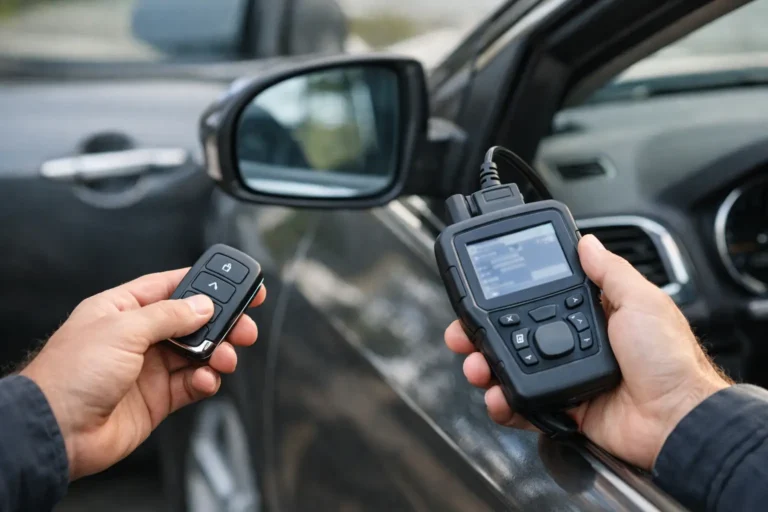
A technician should look at the full picture – how the key turns, whether the dash powers correctly, how the starter responds, whether the vehicle recognizes the key, and whether power is dropping at the switch. Some problems call for ignition repair. Others require key replacement, cylinder service, or electrical troubleshooting.
For drivers, the takeaway is simple. If the problem feels random, do not assume it is minor.
What to do if you notice signs of a bad ignition switch
First, stop forcing the key. That can damage the cylinder or snap the key in the ignition. Second, pay attention to patterns. Does it happen when the car is hot, after rain, or only with one key? Those details help narrow down the cause.
If the car is stalling, losing power, or failing to start reliably, get it checked before it leaves you stranded. A mobile automotive locksmith can often inspect the ignition, test the key and cylinder, and handle many ignition-related issues on location. For drivers in a rush, that is often faster than arranging a tow, waiting at a shop, and finding out the repair was simpler than expected.
At Precise Locksmith LLC, ignition problems are the kind of call we see when someone just needs a straight answer and fast help where they are. If your car is giving you warning signs, do not wait for the moment it refuses to start in a parking lot, at work, or late at night. Catching the problem early can save you money, stress, and a much longer day than you planned.