Why Is My Car Key Hard to Turn?
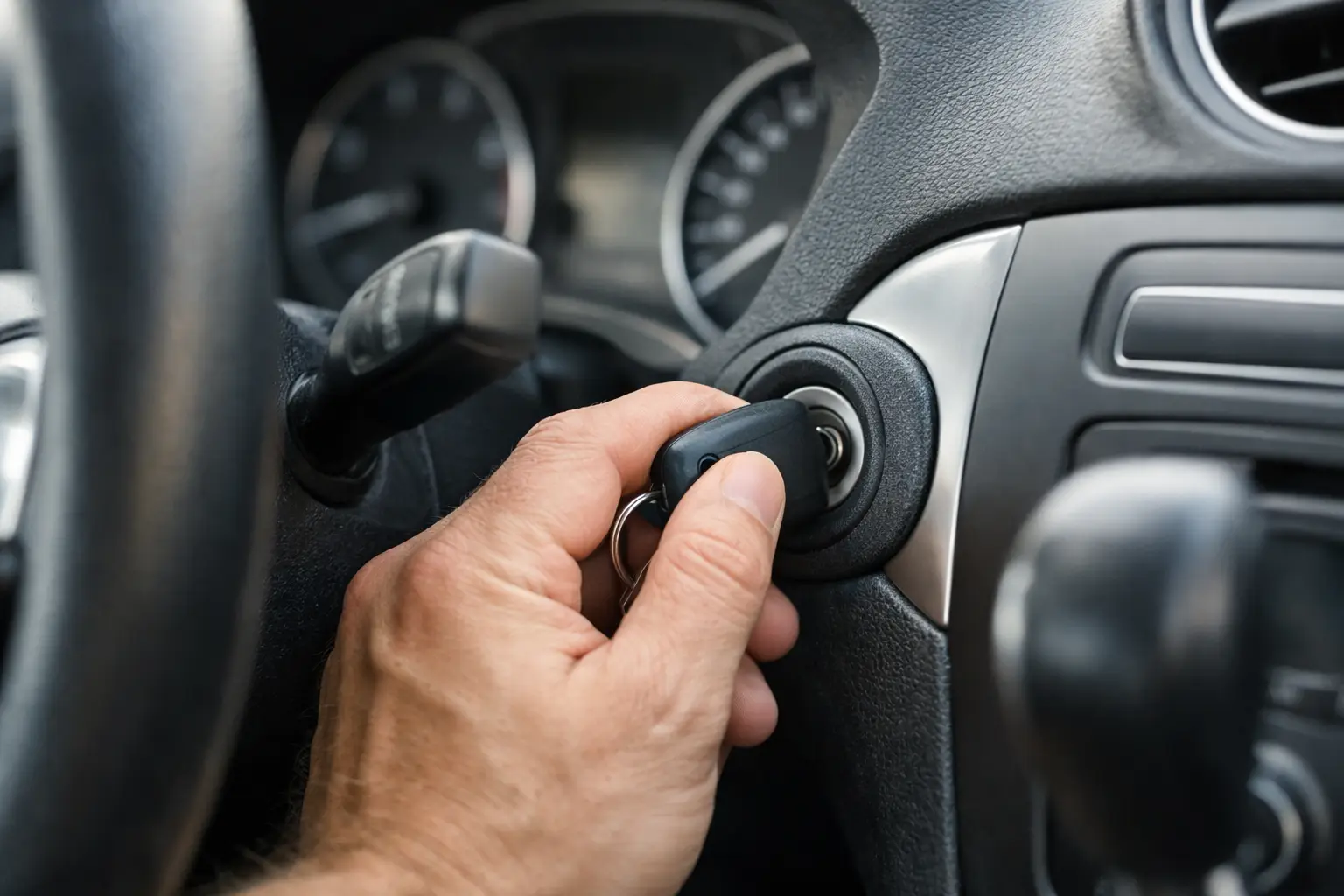
You turn the key, feel resistance, and suddenly a basic errand turns into a real problem. If you’re asking, why is my car key hard to turn, the short answer is that something in the key, ignition, steering wheel lock, or internal cylinder is not lining up the way it should. Sometimes it is minor. Sometimes it is the first warning sign before the key gets stuck or the ignition stops working altogether.
The good news is that a hard-to-turn key does not always mean a full ignition replacement. The bad news is that forcing it can turn a manageable repair into a broken key, damaged ignition, or a car that will not start at all. When the key feels tight, sticky, or only turns after several tries, it is worth taking seriously right away.
Why is my car key hard to turn in the ignition?
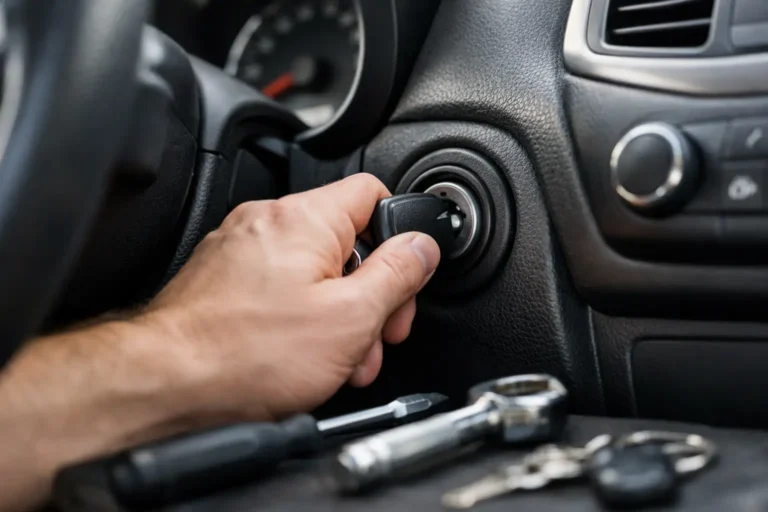
In most cases, the problem comes down to wear, pressure, or blockage. Car ignitions rely on small internal parts that must match the shape of your key very closely. Over time, normal use wears down both the key and the ignition cylinder. Add dirt, heat, moisture, or a steering wheel under tension, and turning the key becomes harder than it should be.
One of the most common causes is the steering wheel lock. If the front wheels are turned and the steering wheel is pressing hard against the lock mechanism, the key may feel stuck. This often happens after parking on an incline or turning the wheel before removing the key. In that case, the ignition itself may be fine. The wheel just needs to be relieved of pressure while the key is turned gently.
Another common issue is a worn key. Many drivers keep using the same key for years, even after the edges become rounded or slightly bent. A worn key may still go into the ignition, but it will not raise the internal pins as cleanly as it used to. That can make the key feel rough, inconsistent, or hard to turn.
Then there is ignition wear. The ignition cylinder has tiny wafers or pins inside, and those parts do not last forever. If they begin sticking, misaligning, or wearing unevenly, you may notice the key only turns in one position, only turns after wiggling, or feels tighter every week.
The cause may be simple or it may be getting worse
This is where a lot of drivers get caught off guard. A hard-to-turn key can be a small issue one day and a major breakdown the next. If the car eventually starts after some effort, it is easy to put off dealing with it. But repeated sticking usually means wear is progressing.
A dirty ignition can sometimes be cleaned or serviced. A worn key can often be duplicated from a better source if addressed early enough. But if you keep forcing a weak key into a failing ignition, the key can snap, the cylinder can jam, or the car can stop recognizing the key position entirely.
That is why the details matter. If the key is only hard to turn when the steering wheel is locked, the fix may be simple. If the key is hard to turn all the time, in every parking situation, and especially if a spare key acts the same way, the ignition cylinder itself is more likely the issue.
What you can safely try first
Start with the least invasive step. Put the key in the ignition, then gently move the steering wheel left and right while turning the key with light pressure. Do not yank the wheel and do not twist the key aggressively. If steering wheel tension is the problem, this often frees it.
Next, check the key itself. If it looks bent, chipped, cracked, or heavily worn, stop using it if possible. Try a spare key if you have one. If the spare turns more smoothly, the problem may be the original key rather than the ignition.
You can also make sure the car is fully in park. In some vehicles, a gear position issue can affect ignition behavior. If the shifter is not seated properly, the key may not turn or release the way it should.
What you should not do is spray random lubricants into the ignition, force the key with pliers, or keep jiggling it for ten minutes every morning. Those shortcuts can make the inside of the ignition dirtier, damage the key, or break internal components that were still repairable.
Why worn keys cause more trouble than people expect
Drivers often assume a key either works or it does not. In reality, there is a middle stage where the key still starts the car, but only inconsistently. That is when turning gets hard.
The cuts on a car key need to match the ignition closely. As the key wears down, that match becomes less exact. The ignition may still accept the key, but the internal wafers do not rise to the proper height right away. That creates drag and resistance.
This is especially common with older metal keys, keys that have been copied repeatedly from worn copies, and keys that have been dropped, twisted, or carried under pressure in pockets and bags. If your spare key works better than your everyday key, that is a strong clue.
There is a trade-off here. Getting a fresh key made early can be simple and affordable. Waiting until the worn key damages the ignition usually leads to a more involved repair.
When the ignition cylinder is the real problem
If both your primary key and spare key are hard to turn, the ignition cylinder is more likely worn or damaged. You might notice the key gets stuck at accessory, refuses to go all the way to start, or only turns when held at a certain angle.
Ignition cylinders wear from years of use, but they can also be damaged by heavy keychains, rough handling, attempted theft, internal debris, or previous repair issues. In South Florida, heat and humidity can also contribute to grime buildup and component wear over time.
Sometimes the issue is inside the ignition housing or related to the switch behind the cylinder, not just the key slot itself. That is why guessing can waste time. A proper mobile locksmith can test the key, inspect the cylinder, and determine whether the fix is key replacement, ignition repair, cylinder service, or full replacement.
Why forcing the key is a mistake
When people are in a hurry, they do what feels natural – twist harder. That is usually the worst move.
A key that is resisting for a reason can break under extra torque. If it snaps inside the ignition, you go from one problem to two. Now the broken piece has to be removed before any repair can even begin. In some cases, the broken fragment damages the inside of the cylinder as well.
Force can also wear out the wafers faster, bend the key further, or cause the ignition to seize in place. If the key already feels delicate or the ignition has been acting up for days, stop before it gets to that point.
When to call a locksmith right away
If the key will not turn at all, if it only turns after repeated attempts, if the key is stuck, or if you see visible damage to the key, it is time to get professional help. The same goes for situations where the spare key does not help, or the ignition is getting worse quickly.
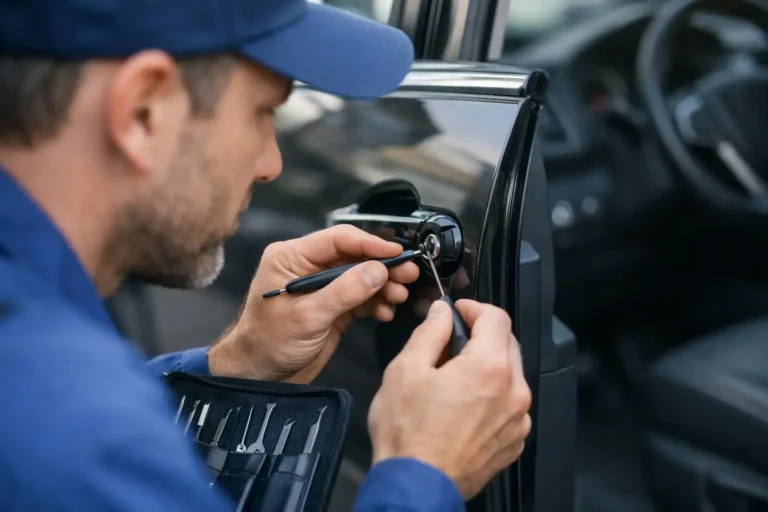
This is not just about convenience. If the problem strands you at work, at a store, or late at night, you need someone who can come to the vehicle, diagnose the issue on-site, and handle it without towing the car around. That is where an automotive mobile locksmith makes the biggest difference.
A qualified technician can remove a stuck key, cut or duplicate a better key, repair worn ignition components, and in many cases complete the work where the car is parked. For drivers dealing with ignition trouble in Miami-Dade and nearby areas, that kind of fast response matters because ignition issues rarely happen at a good time.
How to prevent the problem from coming back
Once the issue is fixed, a few habits help extend the life of your key and ignition. Use a clean, undamaged key. Avoid overloaded keychains that pull on the ignition while you drive. Do not ignore early warning signs like sticking, rough turning, or a key that only works after wiggling.
If you notice the problem starting again, address it early. Small ignition issues usually do not fix themselves. They just give you a short window before they become a bigger and more expensive headache.
Precise Locksmith LLC handles car key and ignition problems on-site, which is often the fastest way to get back on the road when the key won’t cooperate. If your key is getting harder to turn, trust what the car is telling you and deal with it before it leaves you stuck.