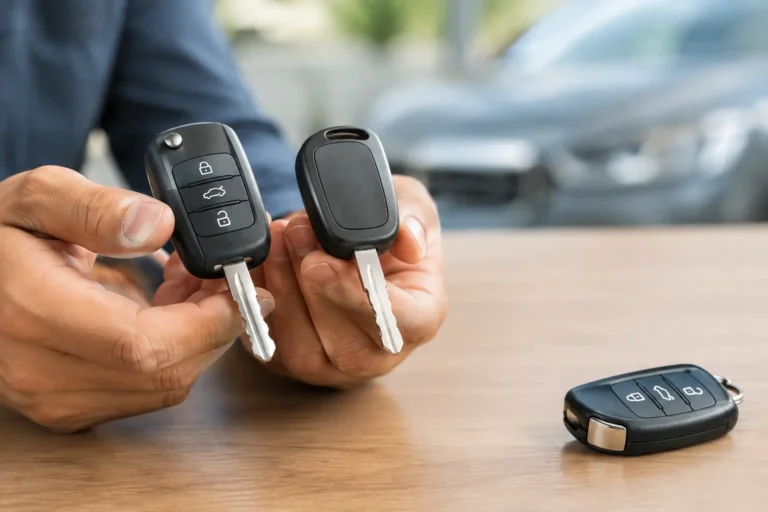
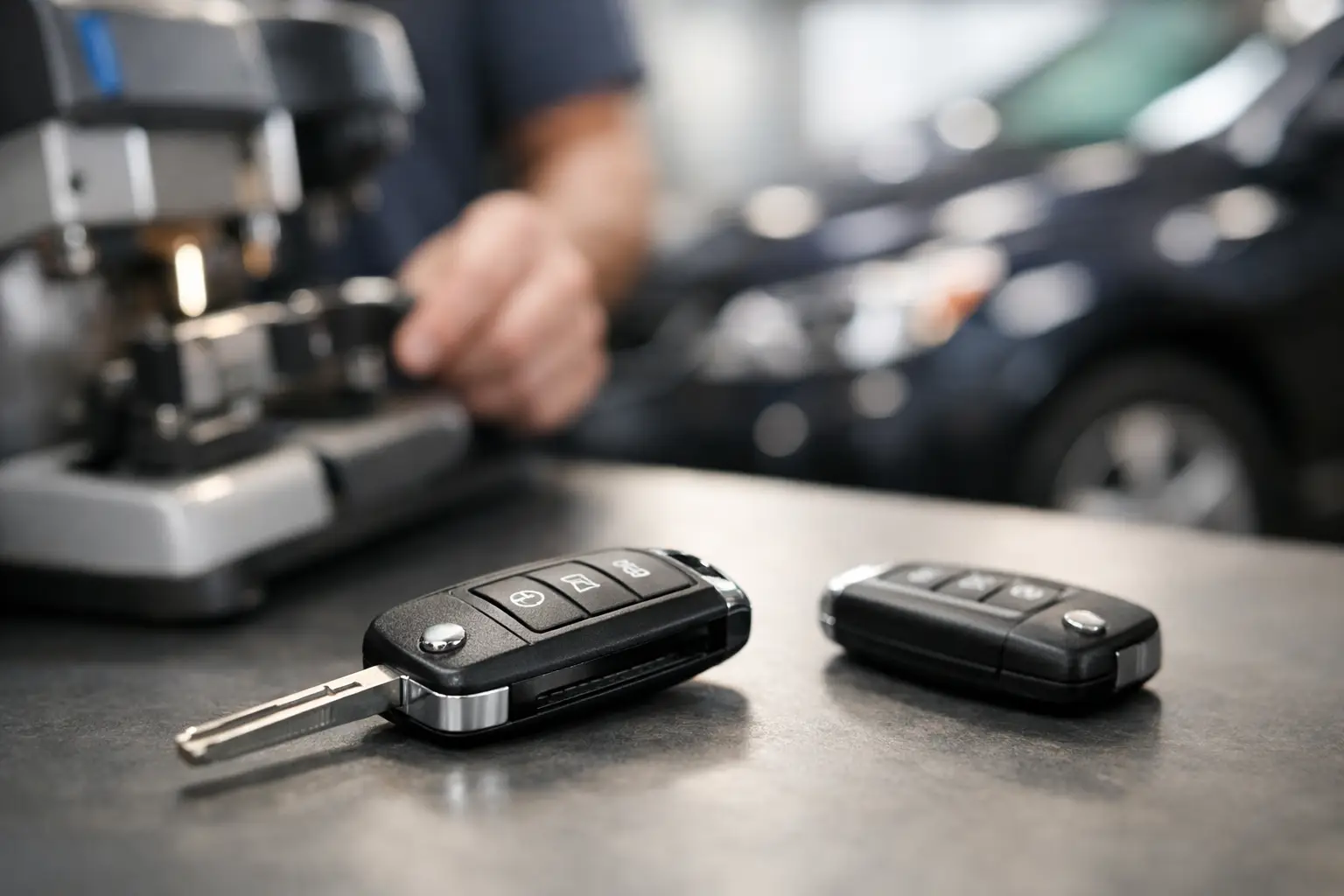
Car Key Duplication When You Need a Spare
A spare car key feels optional until the original is missing, cracked, locked inside the vehicle, or stops working outside your home, office, or grocery store. Key duplication is one of the simplest ways to prevent that stressful call, but modern vehicle keys are not all copied the same way. The right solution depends on your vehicle, the type of key you use, and whether the new key must be programmed before it will start the car.
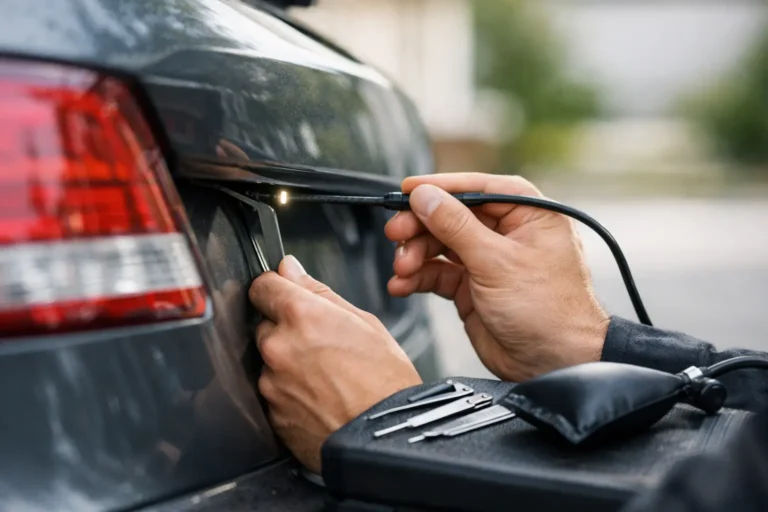
For drivers who rely on one key every day, getting a working duplicate is usually faster and less expensive than replacing every key after one is lost. A mobile automotive locksmith can often cut and program the new key at your location, so you do not have to arrange a tow or wait at a dealership.
What car key duplication really means
Car key duplication can mean anything from cutting a basic metal key to creating and programming a smart key fob. With older vehicles, a duplicate may only need a correctly cut metal blade. With most newer vehicles, however, the key contains a transponder chip or remote electronics that communicate with the vehicle’s immobilizer system.
That means a key can look perfect and still fail to start the engine if it has not been programmed. It may unlock the door manually but trigger a security light or leave you with a no-start condition. This is why automotive key duplication should be handled by a technician with the right cutting equipment, programming tools, and vehicle-specific knowledge.
A professional will identify the key type first, confirm that the replacement is compatible with your make and model, cut the blade if needed, and test the key before leaving. The goal is not just to hand you another key. It is to make sure you have a duplicate that locks, unlocks, and starts your vehicle as expected.
When should you get a duplicate car key?
The best time to make a spare is while you still have one fully working key. The original gives the locksmith the information needed to copy it accurately, and the process is usually more straightforward than making a key from scratch.
You should consider key duplication if you share a vehicle with a spouse, teenager, employee, or family member. A second key also makes sense when your current key is showing signs of wear, such as a cracked remote case, weak buttons, a loose blade, or an intermittent connection that sometimes prevents the car from starting.
Drivers with push-button start vehicles should not wait until their fob battery is dead or their only smart key is lost. A dead fob battery can often be replaced, but physical damage, water exposure, and lost keys create a different problem. Having a tested spare in a safe place gives you an immediate backup when timing matters.
Different keys need different service
Traditional metal keys
Older cars may use a standard mechanical key with no electronic chip. These are generally the simplest keys to duplicate because the locksmith cuts the blade to match the original. Even then, precision matters. A poorly cut key can stick in the ignition, wear down the lock cylinder, or fail to turn smoothly.
Transponder chip keys
Many vehicles use a metal key with a small chip inside the head. The chip sends a coded signal to the vehicle when the key is inserted or brought near the ignition. The blade must be cut correctly, and the chip must be programmed to the car. This is a common reason hardware-store copies may open the door but will not start the vehicle.
Remote head keys and key fobs
A remote head key combines the metal key and remote buttons in one unit. Key fobs may control locking, trunk access, panic alarms, and remote start. Depending on the vehicle, the remote functions may need separate programming after the key is cut.
Smart keys and proximity fobs
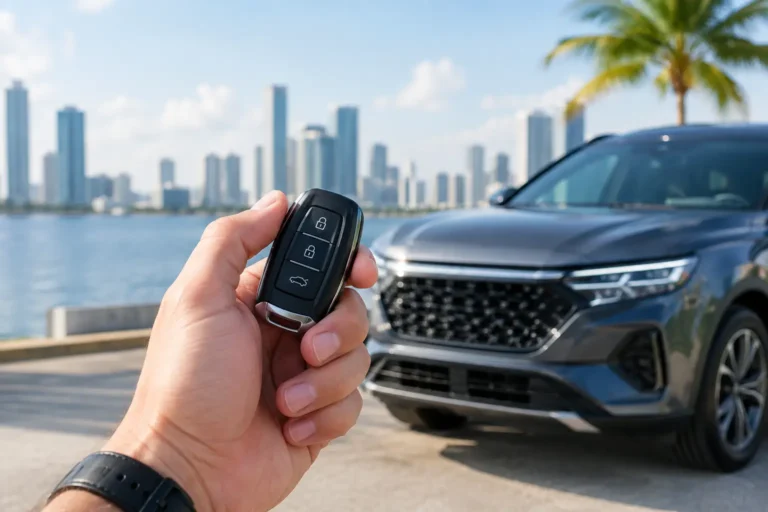
Smart keys allow keyless entry and push-button start. They are more complex and can cost more than a basic duplicate because compatibility and programming are critical. Some models require security information, diagnostic equipment, or additional steps to add a new fob. A qualified automotive locksmith can explain what your vehicle requires before work begins.
Why a copied key may not work
If a duplicate key does not work, the issue is not always the new key itself. The original may be worn and may have transferred an imperfect pattern during copying. The vehicle’s ignition cylinder, door lock, fob battery, or immobilizer system may also be part of the problem.
For example, if your original key only works after several attempts, do not assume a duplicate will solve it. The ignition could be worn, the transponder chip could be failing, or the key blade may no longer match the lock correctly. A locksmith should inspect the symptoms instead of simply cutting another copy.
There is also a difference between adding a spare and replacing a lost key. If a key was stolen or lost somewhere that could identify your vehicle, you may want the missing key removed from the vehicle’s memory. This prevents that old key from starting the car if someone finds it. Not every vehicle handles key deletion the same way, so it is worth asking about during service.
Mobile key duplication saves time when you are busy
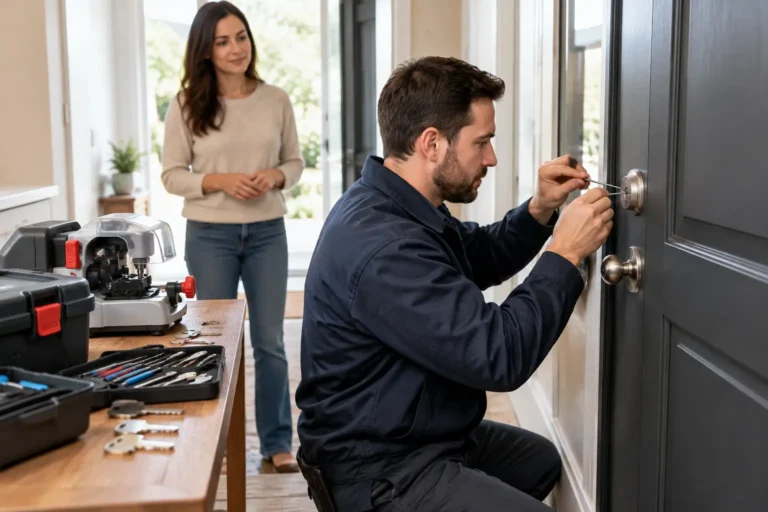
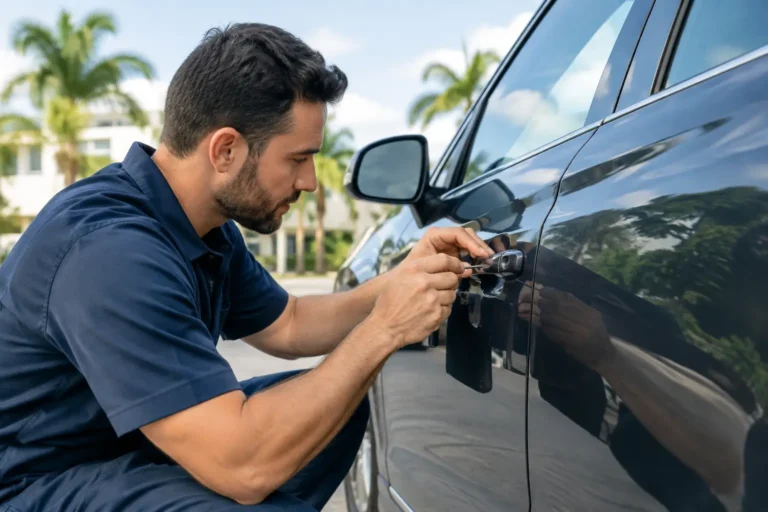
Taking time off work, driving to a dealer, and waiting for a replacement can be frustrating when your car is still operational. Mobile locksmith service brings the equipment to you, whether you are at home, at work, or stranded in a parking lot.
For Miami-Dade drivers, on-location service can be especially helpful when traffic, a dead fob, or a sudden lockout turns a simple errand into a long delay. Precise Locksmith LLC can assess the key type, cut a compatible duplicate, program it when required, and test it on-site. That practical approach helps drivers get back to their day without adding a trip to a shop.
Cost depends on the vehicle and the key technology. A basic mechanical key is usually less involved than a transponder key, remote head key, or smart fob. The most accurate quote comes after identifying the year, make, model, and key type. If you have the original key available, let the technician know, because that can affect the process.
How to protect your new spare key
Once you have a duplicate, keep it where it can actually help you. Storing it in the same purse, backpack, or key ring as the original defeats the purpose. Keep it at home in a known location, give it to a trusted family member, or store it securely away from the vehicle.
Avoid hiding a programmed key inside or under your car. Besides creating a theft risk, some vehicles can detect the fob and behave unpredictably when it is too close. Keep fobs dry, replace weak batteries promptly, and use a protective case if the remote is exposed to daily drops and heavy use.
Before you put the spare away, test every function. Make sure it unlocks the doors, starts the vehicle, and operates the remote features you expect. A spare key is only useful if you know it works before an emergency happens.
Do not wait for the only key to disappear
A duplicate key is a small investment in avoiding a much bigger disruption. If your only car key is worn, unreliable, or shared by multiple drivers, arranging key duplication now is the easier move. If you have already lost your only key, broken it in the ignition, or cannot get the vehicle to recognize the fob, call for mobile locksmith help right away and request a clear quote before service begins.
The best spare key is the one made, programmed, and tested before you need it at the worst possible moment.