How to Reset an Immobilizer System Safely
Your car can have a full tank, a healthy engine, and a working starter, yet still refuse to run because it does not recognize the key. If you are searching for how to reset immobilizer system problems, start with this: an immobilizer is an anti-theft system, not a simple dashboard reminder. A safe reset means finding and correcting the reason the vehicle stopped recognizing an authorized key – not trying to bypass the security system.
Most immobilizer issues come down to a weak vehicle battery, a damaged or unprogrammed transponder key, a drained key fob battery, water damage, ignition trouble, or a communication fault between the vehicle modules. Some basic checks are safe to try at home. If those fail, a properly equipped automotive locksmith can diagnose and program the vehicle on-site.
What an Immobilizer System Does
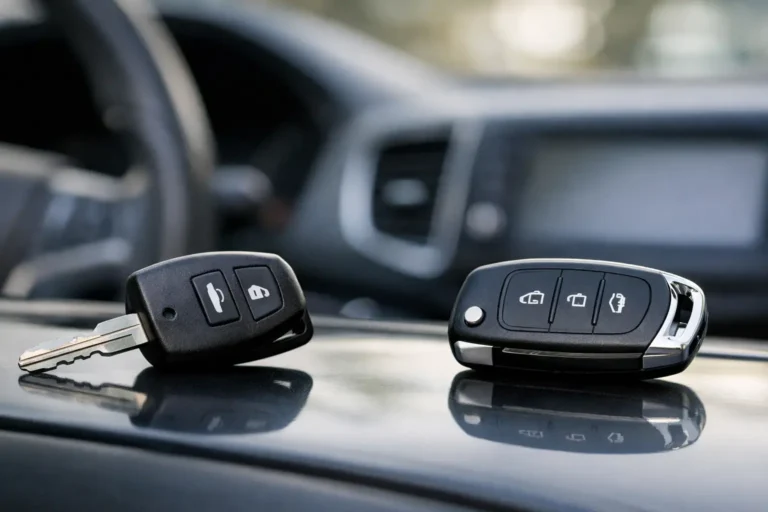
Your immobilizer uses a coded chip inside the key, key fob, or smart key to communicate with the vehicle. When the code matches, the car allows the engine to start. When it does not, you may see a security light, key-shaped warning icon, or message such as “Key Not Detected.” The engine may crank without starting, start and shut off immediately, or not crank at all.
The exact behavior depends on the make, model, and year. A push-button vehicle may fail to detect the smart key. An older vehicle with a traditional metal key may turn over but shut down within seconds. That difference matters because the fix for a dead fob battery is very different from the fix for a lost transponder programming signal.
How to Reset an Immobilizer System: Safe First Steps
Before assuming the immobilizer itself has failed, take a few minutes to rule out the common causes. Keep your authorized key with you during every step. Do not force the ignition, repeatedly jump-start the car, or disconnect security wiring. Those actions can create additional faults and make diagnosis more difficult.
Try the spare key first
If you have a spare key or fob, test it. This is one of the fastest ways to narrow down the problem. If the spare starts the vehicle normally, the issue is likely with the original key’s transponder chip, fob battery, internal circuit board, or programming.
A metal key can look perfectly fine while the chip inside it is damaged. Keys that have been dropped, washed, stepped on, or exposed to extreme heat are especially likely to have hidden internal damage.
Check the vehicle battery
Low voltage causes more immobilizer complaints than many drivers expect. Modern cars rely on several electronic modules communicating at startup. If the battery is weak, the vehicle may show random warning lights, fail to recognize the key, or lose communication with a module.
Look for slow cranking, dim interior lights, clicking sounds, or several warning lights appearing at once. If the battery is discharged, charge it correctly or have it tested. Once normal power is restored, lock the vehicle, wait a few minutes, then unlock it with the authorized key and try again.
Replace the key fob battery when applicable
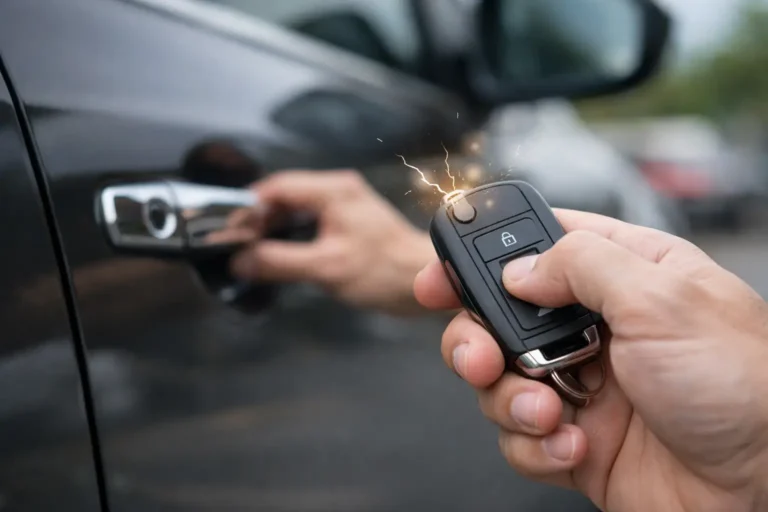
For push-button start vehicles, a weak fob battery can prevent the car from detecting the smart key at its normal range. Replace it with the correct battery type and install it in the proper direction.
Many vehicles also have an emergency detection location. It may be inside the center console, near the steering column, in a designated cup holder, or directly against the start button. Check the owner’s manual for your vehicle’s specific procedure. This can allow a car to recognize the fob long enough to start, but it does not repair a failed key or programming issue.
Use the manufacturer’s lock-and-start procedure
Some vehicles recover after a simple key cycle. Lock the vehicle with the authorized key or fob, wait several minutes, unlock it, then place the key in the ignition or use the approved smart-key backup position. Turn the ignition to the ON position for about 10 to 15 minutes if your owner’s manual specifically calls for this procedure, then try starting the vehicle.
Do not rely on generic internet timing tricks. Immobilizer procedures vary by manufacturer, and incorrect attempts can waste time or trigger a longer security delay. Your owner’s manual is the best source for the approved process for your model.
When a Reset Will Not Fix the Problem
A reset cannot repair physical or electronic damage. If the security light stays on or flashes after you have checked the battery and tested a spare key, the vehicle may need key programming or a professional diagnostic scan.
Common signs that you need more than a basic reset include an engine that starts and immediately dies, a key that turns in the ignition but is not accepted, a “No Key Detected” message with a fresh fob battery, or a security light that remains illuminated while driving. A damaged ignition antenna ring, faulty key reader, blown fuse, wiring issue, or failed body control module can cause similar symptoms.
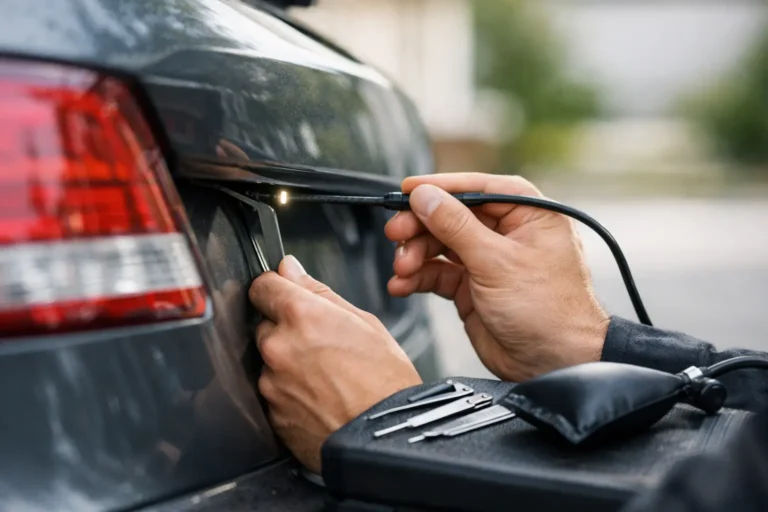
This is where the trade-off matters. A dealership may be appropriate for certain warranty repairs or software updates, but towing a disabled vehicle can add time and cost. For many lost-key, damaged-key, and programming problems, a mobile automotive locksmith can come to the vehicle with key-cutting equipment, diagnostic tools, and programming equipment.
Avoid Immobilizer Bypass Advice
Be careful with videos or forum posts that claim to show a universal way to disable, bypass, or permanently defeat an immobilizer. There is no safe one-size-fits-all method, and bypassing an anti-theft system can leave the vehicle less secure, create electrical problems, affect insurance questions, or make the car harder to sell.
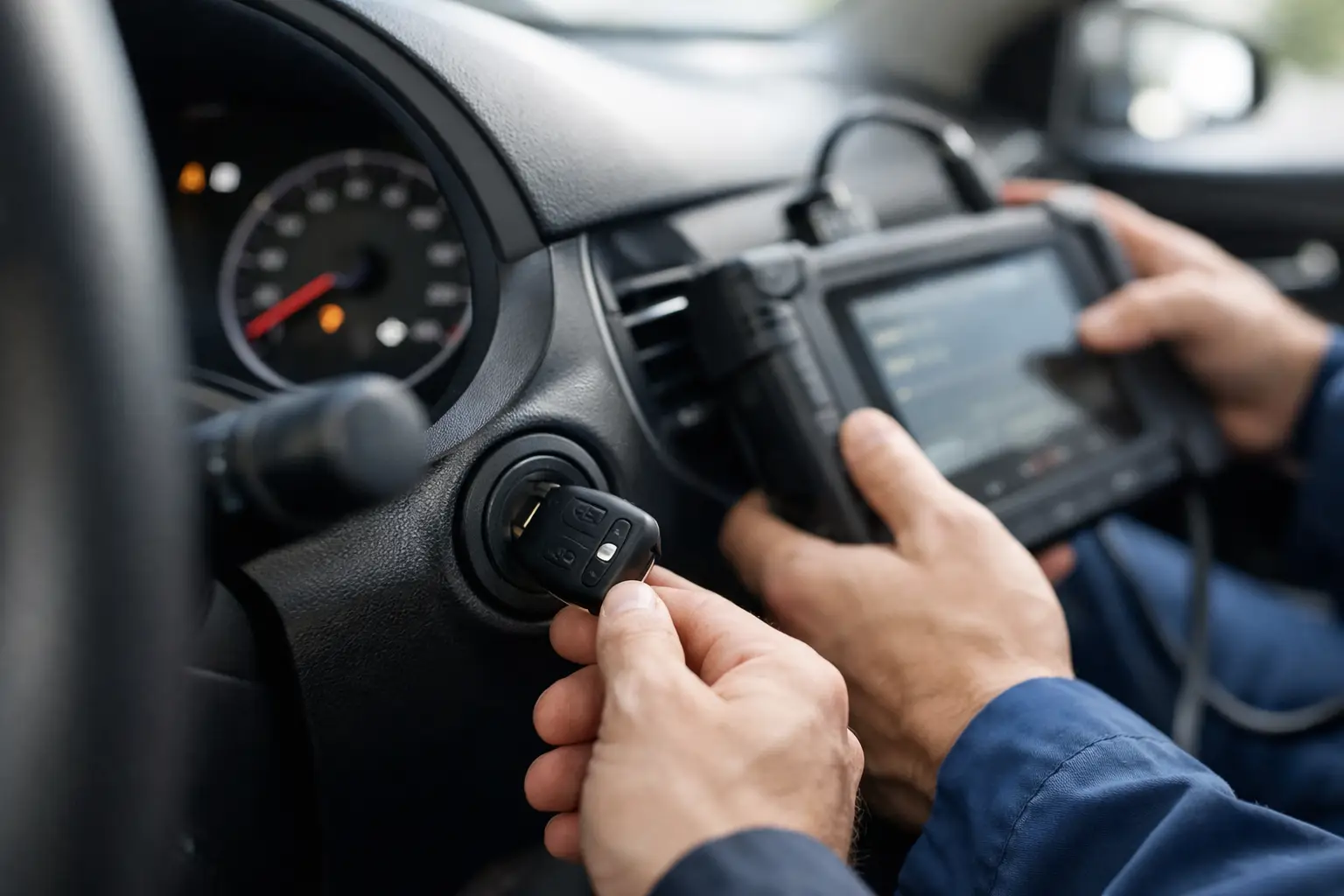
Legitimate service focuses on restoring normal operation with an authorized key. That may involve programming a replacement transponder key, syncing a smart fob, repairing a damaged key, clearing verified fault codes, or diagnosing the vehicle’s key-recognition components. A professional should verify ownership before performing this work.
What to Have Ready for a Locksmith
If your vehicle will not recognize the key, having the right information ready can speed up mobile service. Be prepared to provide the year, make, model, your exact location, the symptoms you see, and whether you still have any working keys. Your vehicle identification number may also be needed for the correct key and programming procedure.
If the key was lost or stolen, tell the technician. In many cases, the remaining keys can be erased from the vehicle memory and new keys can be programmed, so the missing key no longer starts the car. That is a better solution than hoping a lost key never turns up.
For drivers in Miami-Dade, Doral, Hialeah, Miami Lakes, and nearby areas, Precise Locksmith LLC provides mobile automotive locksmith service for key programming, replacement car keys, ignition-related key issues, and urgent lockout situations. A technician can assess whether the issue is the key, fob, battery, ignition, or immobilizer communication before recommending the right repair.
Frequently Asked Questions
Can disconnecting the car battery reset the immobilizer?
Sometimes a battery disconnect can clear temporary electronic glitches, but it is not a universal immobilizer reset. It can also reset radio settings, clock settings, window calibrations, and stored system data. On some vehicles, disconnecting power may create more steps before normal operation returns. Check the owner’s manual before doing it, especially on newer vehicles.
Why is my immobilizer light flashing?
A flashing immobilizer or security light usually means the vehicle does not recognize the key or has detected a security-system fault. If it flashes while the vehicle is parked, that may simply indicate the anti-theft system is armed. If it flashes when you try to start the car, test the spare key and check battery condition first.
Can a locksmith program an immobilizer key?
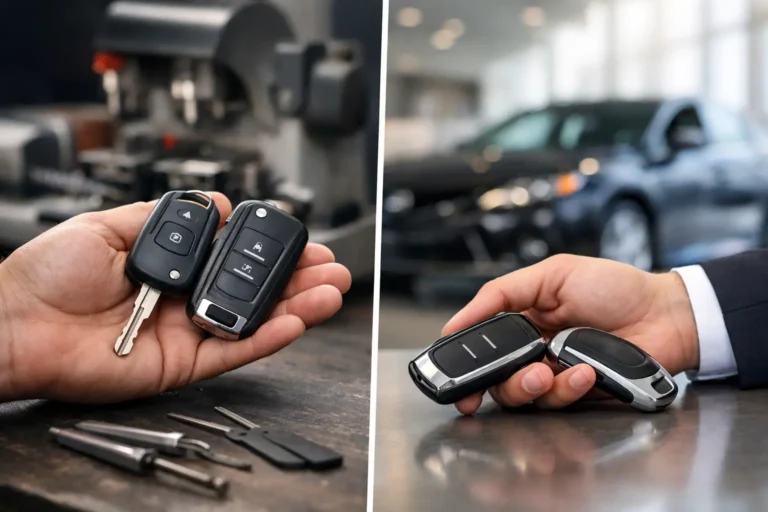
Yes, a qualified automotive locksmith can program many transponder keys, remote-head keys, smart keys, and key fobs. Capability depends on the vehicle’s make, year, security system, and whether all keys are lost. Some vehicles require specialized procedures, but mobile programming is often available without towing the car.
A car that will not start can turn a normal day into a missed shift, a stranded family, or a late pickup. Start with the safe checks, keep your authorized key nearby, and get professional help promptly if the security light will not clear. The goal is not a shortcut around your car’s protection – it is getting you back on the road with a key your vehicle can trust.