Top Reasons Car Keys Fail and What to Do
You turn the key, press the start button, or reach for the door handle – and nothing happens. A car key problem can stop your entire day, especially when you are headed to work, picking up family, or parked somewhere unfamiliar. The top reasons car keys fail usually come down to a few mechanical or electronic issues, but the right fix depends on what the vehicle is doing and what type of key you have.
A worn metal key, a dead key fob battery, a damaged chip, or a failing ignition can feel like the same problem at first. Trying to force the key or repeatedly press the remote can make matters worse. Knowing the warning signs helps you protect the vehicle and get the right help without unnecessary delays.
Top Reasons Car Keys Fail
1. The key fob battery is dead or weak
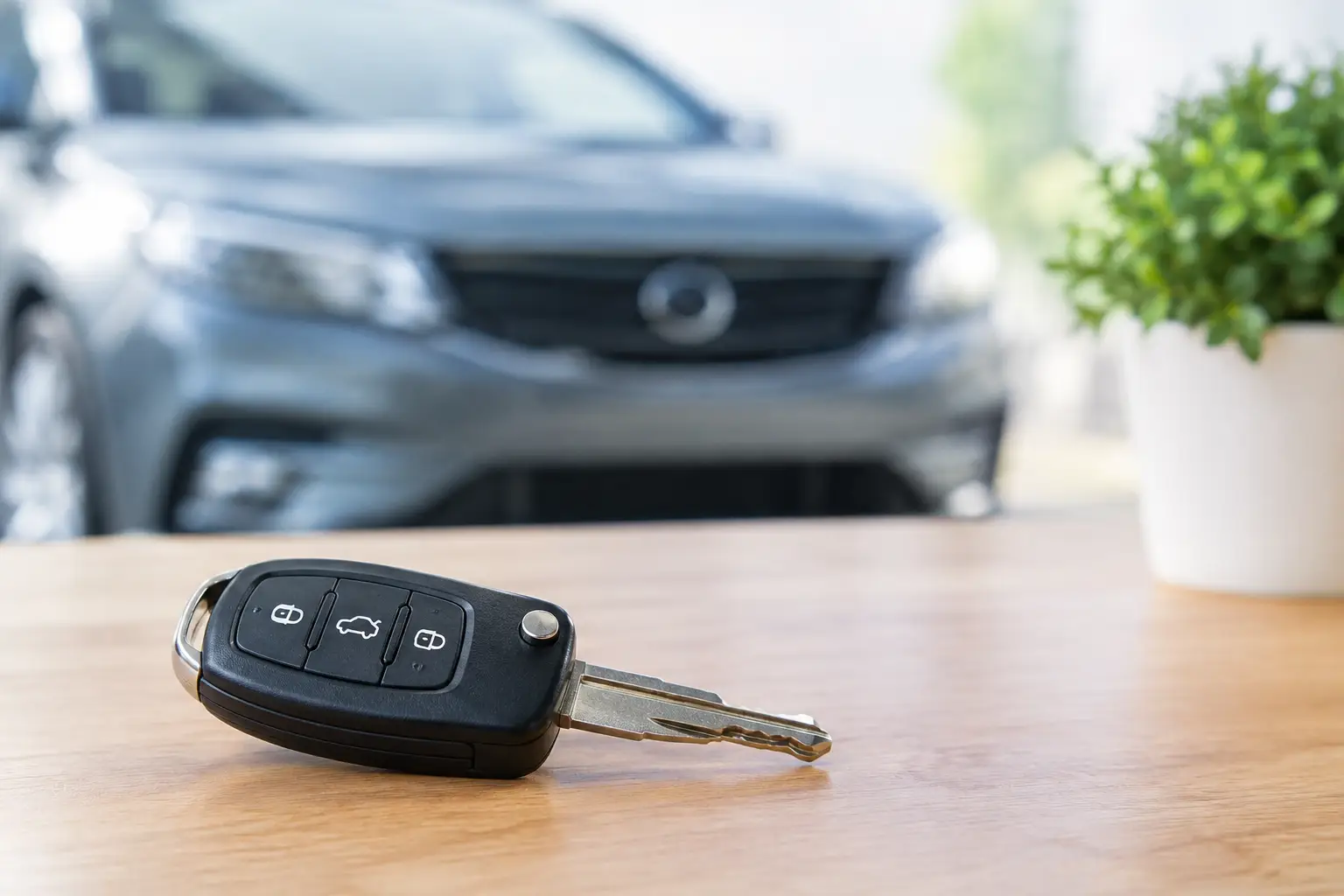
A weak battery is one of the most common reasons a remote stops unlocking doors, locking the vehicle, or starting a push-button car. The range may get shorter before the fob fails completely. You might need to stand right next to the vehicle, press the button several times, or find that only some functions respond.
This is often a simple battery replacement, but not always. If a new battery does not restore the fob, the problem may be damaged internal contacts, a cracked circuit board, or a vehicle-side issue. Some cars will still start when you hold the fob near a designated backup spot, while others require a working transponder or programmed smart key. Check the owner’s manual for the emergency-start procedure, but avoid taking the fob apart aggressively.
2. The key is worn, bent, or physically damaged
Traditional metal keys wear down little by little. Over time, the cuts on the blade may no longer line up cleanly with the lock or ignition pins. A key that once turned easily may begin sticking, require wiggling, or work in one door but not another.
Bending a key, using it to open packages, or carrying it loose with heavy items can make the problem worse. A bent key can damage the ignition or break off inside it. If the blade is visibly worn, cracked, or bent, stop using it as your everyday key. A locksmith can cut a fresh key from the correct specifications and, when needed, program the electronic portion for the vehicle.
3. The transponder chip or smart key has lost programming
Many vehicles built over the last several decades use a transponder chip inside the key. The chip communicates with the vehicle’s immobilizer system. The blade may turn normally, but the engine will not start if the car does not recognize that chip.
Common clues include a flashing security light, an engine that cranks but will not start, or a message stating that no key is detected. Water exposure, a hard drop, internal fob damage, and failed programming can all affect the chip. A replacement key is not always enough – it must be programmed correctly for that specific vehicle.
This is where generic online keys can become a frustrating gamble. They may look right, but the chip type, frequency, and programming requirements can be wrong. The lower purchase price does not help if the key cannot be cut or programmed for your car.
4. The key fob has water or impact damage
South Florida rain, a dropped fob, a trip through the washing machine, or condensation can damage the electronics inside a remote. Even a small crack in the case can let moisture reach the circuit board. Sometimes the fob works again after drying out, but corrosion can continue developing after the obvious moisture is gone.
Do not keep pressing buttons if the fob has been soaked. Remove the battery if you can do so without forcing the case, dry the exterior, and have the key inspected. Heat from a microwave, oven, or hair dryer can damage the electronics further. Depending on the condition, a technician may be able to repair the fob, transfer working components to a new shell, or provide and program a replacement.
5. The ignition cylinder is worn or damaged
Not every no-start problem is actually a bad key. If the key will not turn, feels loose, gets stuck, or only works at a certain angle, the ignition cylinder may be worn. Dust, old metal fragments, internal wear, or a previous forced attempt can prevent the tumblers from moving correctly.
Forcing the key is the risk here. It can snap the blade inside the ignition, leaving you with both a broken key and a vehicle that cannot be started. A qualified automotive locksmith can diagnose whether the key is worn, the ignition is failing, or both parts need attention. In many cases, the work can be handled where the car is parked.
6. The key is stuck in the ignition
A key that will not come out may be linked to a worn ignition, a steering wheel lock under pressure, a vehicle that is not fully in Park, or an electrical issue. On automatic vehicles, gently confirm the shifter is fully in Park. You can also carefully move the steering wheel left and right while applying light turning pressure to the key.
If that does not release it, do not pull hard or use pliers. The key can break, and damage to the ignition can quickly raise the cost of the repair. Stuck key removal requires the right tools and a careful approach, especially on late-model vehicles with electronic steering locks or push-button systems.
7. The vehicle battery or electrical system is the real problem
A dead vehicle battery can look exactly like a key or fob failure. The remote may not unlock the car, the dashboard may stay dark, and push-button start may not respond. In some cases, the mechanical key hidden inside the fob can still open the door, but the alarm may sound when the vehicle has lost power.
Look for other clues: dim interior lights, slow cranking, clicking when you try to start, or no response from any electrical accessory. A fresh fob battery will not fix a drained car battery. If the vehicle has power but says it cannot detect the key, then the issue is more likely the fob, programming, antenna, or immobilizer system.
8. The car door lock is damaged or jammed
Drivers often discover a key issue when the remote stops working and the physical door key will not turn. The door lock cylinder may be seized from corrosion, debris, previous damage, or lack of use. This is especially common when drivers rely on remote entry for years and never use the manual lock.
Avoid spraying random lubricants into the lock or forcing the key. The wrong product can collect dirt and make the lock harder to service later. A mobile locksmith can open the vehicle without causing unnecessary damage and determine whether the lock needs cleaning, repair, or replacement.
What to Do When Your Car Key Stops Working
Start by keeping the situation calm and simple. Check whether a spare key works, if you have one. Notice whether the doors unlock, whether the dashboard lights come on, and whether the key turns in the ignition. Those details help separate a fob battery problem from a broken key, ignition issue, or vehicle battery issue.
If the key is bent, cracked, stuck, or broken, stop trying to use it. If the remote is not responding, try the backup mechanical key if your fob includes one. Do not force entry into the vehicle, pry a door frame, or attempt to bypass the ignition. Those shortcuts can damage weather stripping, locks, airbags, wiring, or the ignition system.
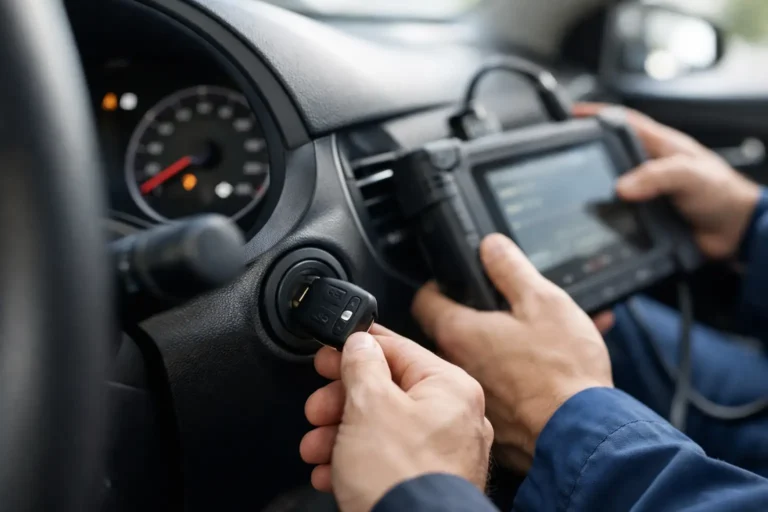
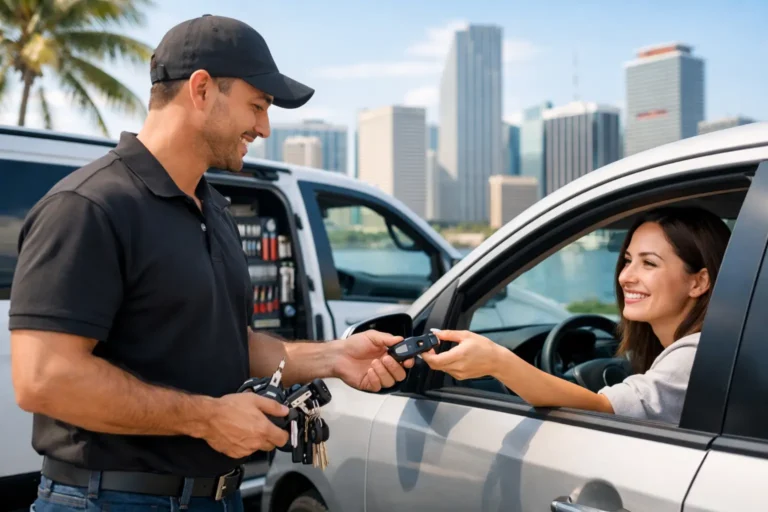
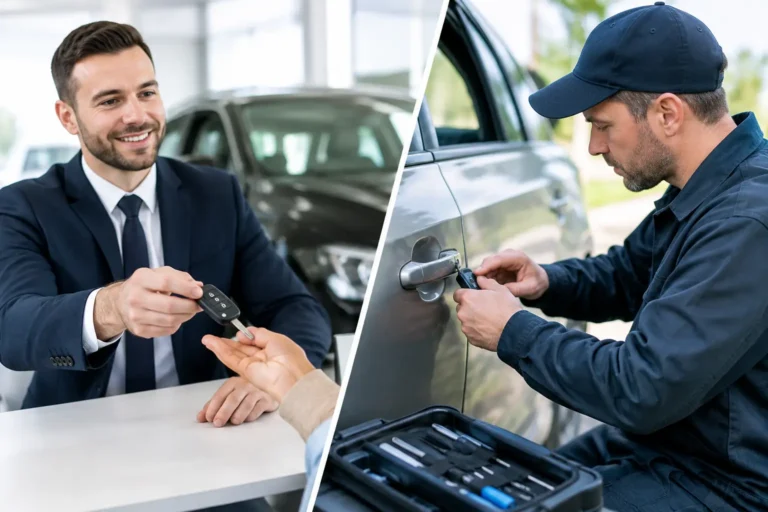
For lost keys, broken transponder keys, lockouts, programming issues, and ignition trouble, an automotive locksmith is often the fastest option because service can come to the vehicle. Precise Locksmith LLC provides mobile automotive locksmith help across Miami-Dade areas including Hialeah, Doral, Miami Lakes, and nearby communities. A trained technician can cut, duplicate, program, repair, or remove a damaged key on-site when the situation allows.
Prevent the Next Key Emergency
A spare key is the easiest protection against a stressful breakdown. Keep it somewhere secure, not inside the vehicle, and test it occasionally. Replace a fob battery when the range starts dropping rather than waiting for complete failure. Protect remotes from water, avoid heavy keychains that strain the ignition, and replace worn keys before they break.
Most car key problems give a warning before they leave you stranded. If your key is sticking, the fob only works sometimes, or the ignition feels different, address it while the car is still accessible. A quick repair or duplicate today can save you from a lockout tomorrow night.