How to Spot Worn Keys Before You Get Stranded
Your car key may still start the vehicle right up until the day it does not. One morning, it sticks in the ignition. Later, it needs three tries to unlock the door. Then, when you are already late, it bends or breaks. Knowing how to spot worn keys early gives you time to replace or duplicate one before a small problem becomes a roadside emergency.
A worn key is not just an inconvenience. It can damage the lock cylinder, get stuck in the ignition, or leave you unable to get into your vehicle. For drivers who rely on their car for work, school, family errands, or commuting across Miami-Dade, catching the warning signs is the cheaper and less stressful option.
How to spot worn keys before they fail
Start by looking closely at the cuts along the edge of a traditional metal key. These cuts are the pattern your door lock and ignition read. With years of use, the sharp edges can become rounded, shallow, or uneven. A key may look generally fine from a distance while the small details that make it work have started wearing down.
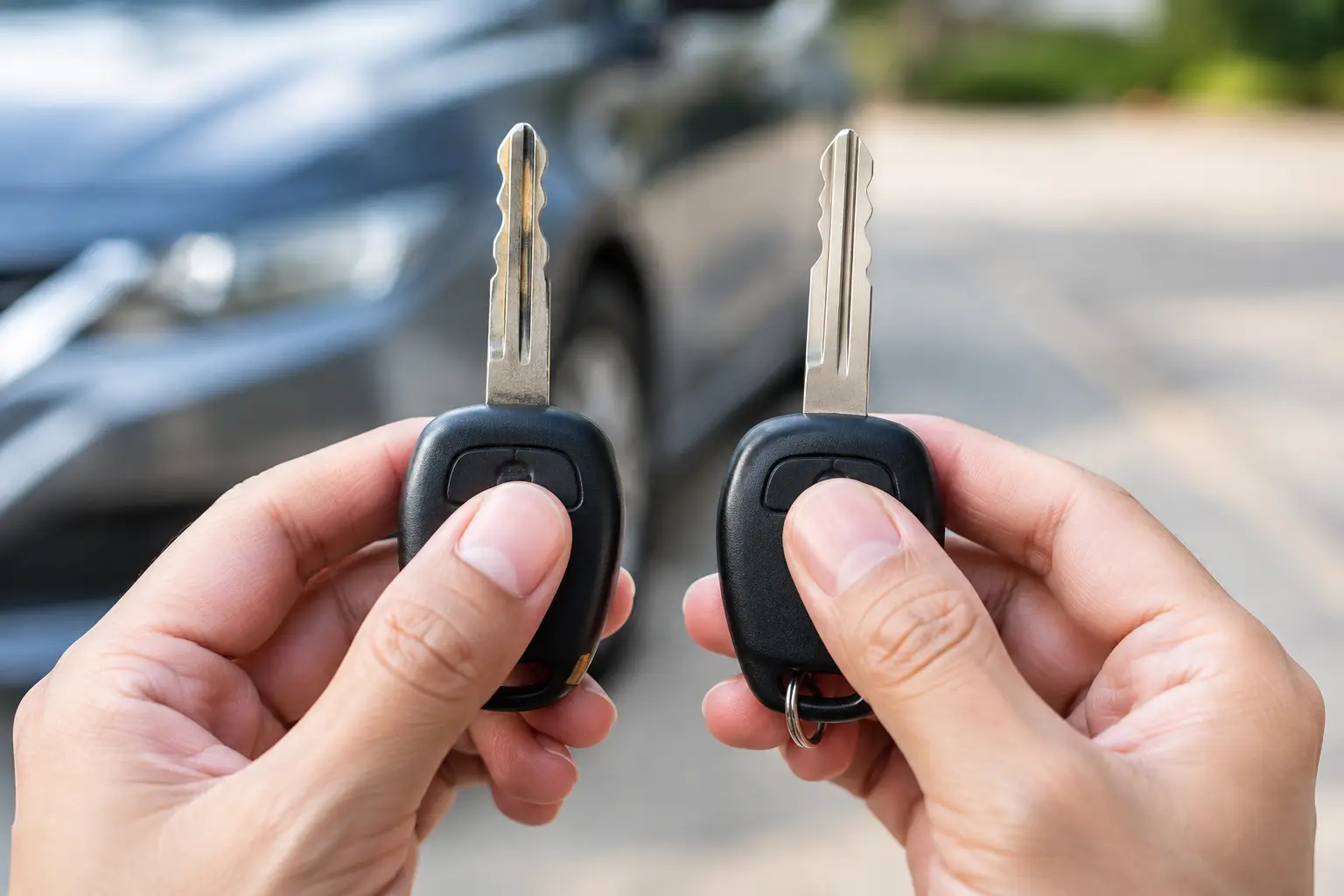
Hold your everyday key next to a spare key that has rarely been used, if you have one. Differences are often easier to see side by side. The older key may have smoother valleys, thinner peaks, or a tip that no longer looks crisp. If the spare works more easily than your daily key, do not ignore it. That is a clear sign the primary key may be nearing the end of its useful life.
Also inspect both flat sides of the blade. Deep scratches, worn plating, discoloration, or a shiny polished area around the cuts can show repeated friction inside the lock or ignition. Surface marks alone do not always mean the key needs replacement, but they matter when they appear with sticking, turning problems, or inconsistent starting.
Watch for bending, twisting, and thinning
A vehicle key should sit flat. Lay it on a table and look across it from the side. Even a slight bend can make it enter the keyway poorly and put extra pressure on internal lock components. Do not try to bend it back with pliers. Metal can weaken after being bent, and the key may snap the next time you turn it.
Pay special attention to the neck of the key, the narrow area between the blade and the plastic head. This is a common breaking point. If you see a hairline crack, noticeable thinning, or a loose key head, stop using that key for daily driving. A key that breaks outside the car is manageable. A key that breaks inside your ignition or door lock can require extraction and, in some cases, additional ignition repair.
Changes in how the key works matter
Physical wear is only half the story. Your key can tell you it is failing through the way it feels. A healthy key should slide in smoothly and turn with normal, steady pressure. It should not need to be jiggled, lifted, pulled back slightly, or forced to make the car start.
If you find yourself using a special trick to turn the key, there is a problem. It could be a worn key, a worn ignition cylinder, debris in the lock, or a combination of both. The right next step depends on the vehicle and the symptoms, but forcing the key is never the answer.
Look out for these warning signs:
- The key only works after several attempts.
- It sticks while entering or coming out of the ignition.
- You have to wiggle it to unlock the door or start the car.
- It turns roughly, catches, or feels loose in the ignition.
- The key gets hot after use, shows fresh metal shavings, or comes out with visible damage.
One rough turn may be caused by dirt or a cold, wet day. Repeated trouble is different. When the same issue keeps coming back, get it checked before the key becomes stuck or breaks.
Do not confuse key wear with a damaged ignition
Sometimes the key is not the main problem. If a newer spare key also sticks, turns poorly, or will not start the vehicle, the ignition cylinder may be worn or damaged. This can happen after years of use, attempted theft, a previous broken-key incident, or continued use of a badly worn key.
There is a practical way to narrow it down. Try your spare key carefully. If the spare turns smoothly and starts the vehicle while the daily key does not, the daily key is likely worn. If both keys have the same issue, the ignition or lock may need professional attention.
Do not spray random household oils into the ignition. Heavy lubricants can trap dirt and make the problem worse. Avoid pushing, twisting hard, or striking the key. Those actions can turn a repairable issue into a broken key or damaged lock cylinder.
Smart keys and fobs wear differently
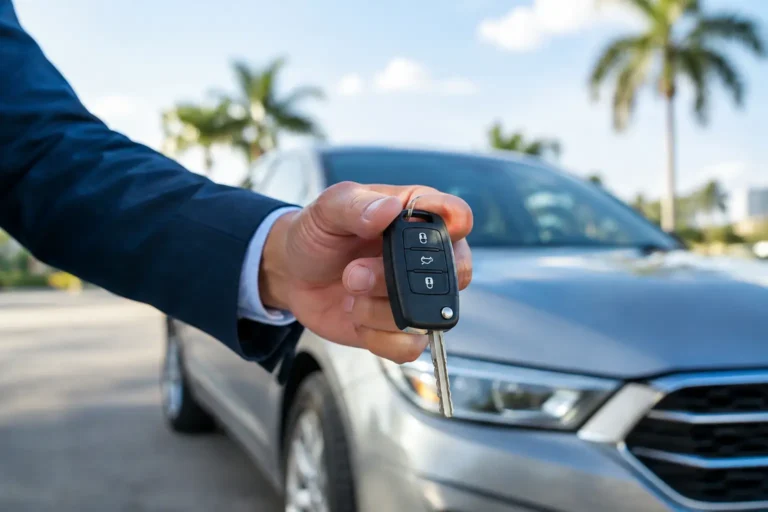
Not every car uses a traditional ignition key. Transponder keys, remote-head keys, key fobs, and push-button start smart keys can fail even when the metal blade looks perfect. In those cases, the issue may be a weak battery, cracked fob housing, damaged buttons, loose internal components, or a programming problem.
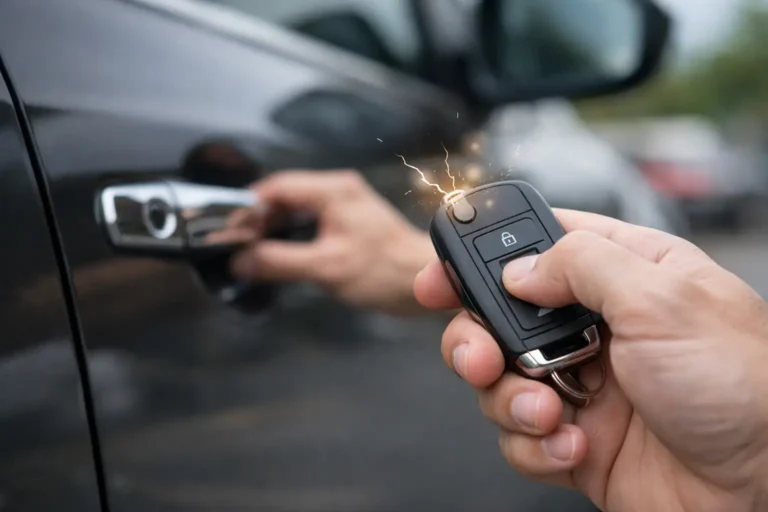
Check the casing for splits near the key ring, especially if you keep a heavy bundle of keys attached to it. Test every button. If lock, unlock, trunk, panic, or remote start functions work only sometimes, do not wait for total failure. A fresh battery may solve the issue, but inconsistent operation can also point to internal damage.
For vehicles with a hidden emergency blade, inspect that blade too. Many drivers never use it until the fob battery dies or the vehicle battery is weak. Make sure it is present, straight, and able to unlock the door before you need it in an emergency.
Heavy keychains can shorten key and ignition life
A heavy keychain puts constant downward force on a key while the car is moving. Over time, that weight can contribute to wear in the ignition cylinder and strain the key head. This is more common with older keyed ignitions, but it is a good habit to keep any vehicle key on a light, simple ring.
Removing extra tools, large decorative chains, and multiple unused keys can reduce stress on the ignition. It will not repair existing damage, but it can help prevent further wear after you replace the key.
When to replace a worn car key
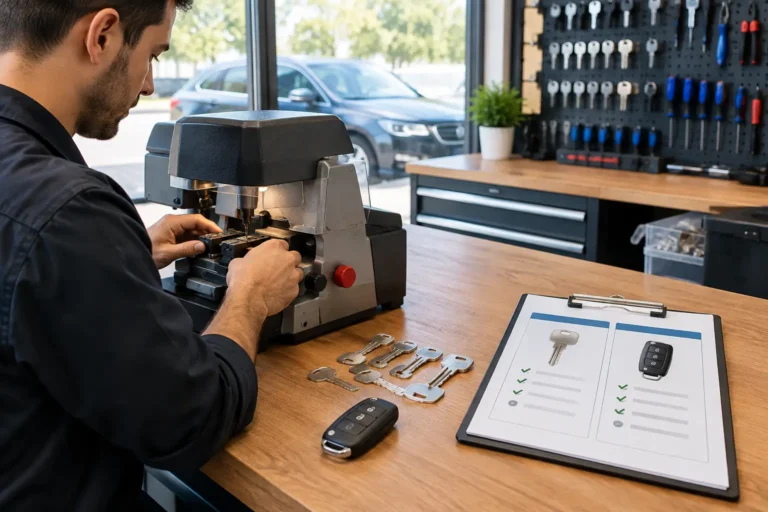
Replace or duplicate your key when it starts working inconsistently, shows visible bending or cracks, or requires force to operate. You do not have to wait until it fails completely. In fact, making a duplicate from a working key is usually easier and more affordable than creating a new key after the original is lost, broken, or too worn to copy accurately.
For newer vehicles, replacement may involve cutting the key and programming a transponder chip or remote. For older vehicles, a properly cut metal key may be enough. The correct service depends on your make, model, year, and the type of key system your vehicle uses.
If your key is already stuck, cracked, or refusing to turn, stop forcing it and request help. A mobile automotive locksmith can assess the key, extract a broken piece when needed, cut a replacement, program compatible keys or fobs, and address ignition-related issues at your location. Precise Locksmith LLC provides on-site help for drivers in Hialeah, Doral, Miami Lakes, and nearby Miami-Dade areas when a key problem cannot wait.
Keep a backup before you need one
The best spare key is one you can find quickly and one that has already been tested. Keep it somewhere secure at home, not hidden under the vehicle, and test it in the door and ignition occasionally. If your vehicle uses a fob, check that the spare fob has a working battery and is properly programmed.
A worn key rarely fails at a convenient time. If yours is sticking, bending, or making you work too hard to start the car, handle it now while you still have options and avoid finding out what a failed key feels like in a parking lot, at night, or on the way to work.