How to Remove a Snapped Key From a Lock
A key breaking inside a lock can turn a normal errand, commute, or late-night arrival into an immediate problem. If you need to remove a snapped key from a lock, the most important move is to stop forcing it. Turning the lock, jabbing at the broken piece, or trying a rushed fix can push the key farther inside and turn a simple extraction into a damaged lock or ignition repair.
For Miami-area drivers, this often happens at the worst time: outside work, at a store, in a parking garage, or when the car needs to be moved now. Stay calm, protect the lock, and use the safest option for where the key broke.
Why Keys Snap Inside Locks
Most keys do not break without warning. A worn-out key can develop tiny cracks near the shoulder or teeth after years of use. The problem can also come from a stiff lock cylinder, a misaligned car door, a damaged ignition, or a key that was already bent and weakened.
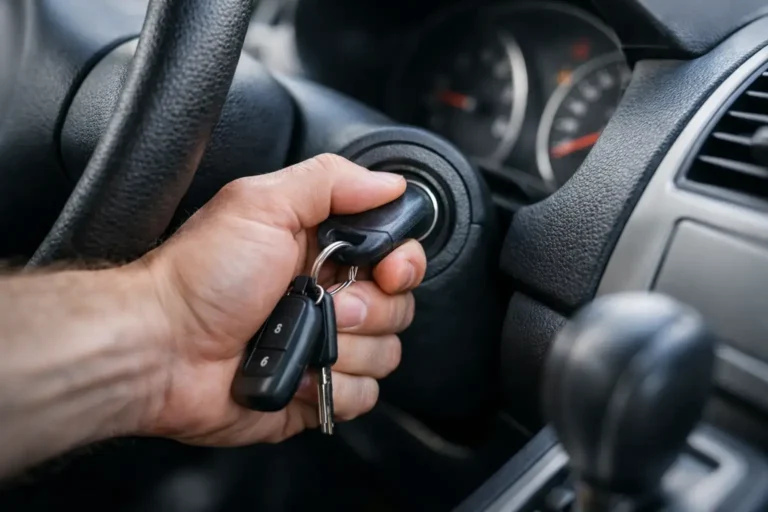
Car keys can be especially complicated. A traditional metal key may snap in a door lock or ignition, while a modern transponder key can break at the blade and leave the electronic head in your hand. Even if the vehicle has push-button start, a mechanical emergency key can still break in the door lock.
The trade-off is simple: a careful attempt may save time when the broken piece is easy to reach, but aggressive DIY methods can damage a lock that costs far more to repair than a professional extraction.
First Steps When You Need to Remove a Snapped Key From a Lock
Before touching the key fragment, look closely at the lock. Is any part of the broken blade sticking out? Is the lock in its normal straight position, or was the key turned when it snapped? These details determine whether a safe removal attempt is realistic.
Do not insert the spare key. It will not pull the broken piece out, and it can drive it deeper into the cylinder. Do not keep turning the key head if it is still attached to a broken blade. If the key snapped in an ignition, stop trying to start the vehicle and avoid moving the steering wheel back and forth with force.
If possible, use your phone light to inspect the keyway. You want to see whether the fragment is near the opening and whether it is sitting straight. A fragment that is deep inside, turned sideways, or caught in an ignition is usually a job for a mobile locksmith.
Avoid These Common Mistakes
Super glue is one of the most common ways a manageable broken-key issue becomes a lock replacement. Glue can run into the pins inside the cylinder, bond the fragment permanently, and damage the working parts of the lock. Skip it.
Do not use a screwdriver, nail, paper clip, knife, or random piece of wire. These tools are usually too thick, too soft, or too blunt to remove the key. They can scratch the keyway, bend internal components, or push the broken blade farther in.
Avoid spraying heavy oil into the lock. A small amount of proper dry lock lubricant can sometimes help a sticking lock, but oil-based products attract dirt and can create more trouble over time. If the key broke because the cylinder was already binding, lubrication alone may not solve the real problem.
Safe DIY Options When the Key Is Sticking Out
If a noticeable piece of the key blade is outside the lock and you can grip it without entering the keyway, you may be able to remove it with needle-nose pliers or fine tweezers. Pull straight out with gentle, steady pressure. Do not twist, rock, or yank the fragment.
This approach only works when the exposed metal gives you a secure grip. If the fragment slips even once, stop. Repeated gripping attempts can flatten the edge, making it harder for an extraction tool to catch it later.
A broken-key extractor is another option, but it depends on the situation. These thin specialty tools slide beside the key fragment and catch its grooves for removal. They are effective in trained hands, but improper use can push the blade deeper or snag the lock pins. For a house lock with the key in a straight position, a careful attempt can make sense. For a vehicle door lock or ignition, the risk is higher because replacement parts and programming needs can quickly add cost.
If the key broke while turned, do not attempt extraction yourself. The lock cylinder may need to be returned to its neutral position before the fragment can come out without damage.
When to Call a Locksmith Right Away
Call for professional help when the key is fully inside the lock, when it snapped in the ignition, or when the lock was difficult to turn before the break. You should also call if the fragment is turned, your pliers cannot grip it, or you need to get back on the road quickly.
A mobile automotive locksmith can remove the broken blade with dedicated extraction tools while protecting the lock cylinder. More importantly, the technician can determine why the key snapped in the first place. If the key was worn, a replacement can be cut on-site. If the ignition is binding or the car lock is damaged, the problem can be addressed before another key breaks.
For drivers with chip keys, fobs, or smart keys, extraction is only part of the job. The remaining key head may no longer be reliable, and the vehicle may need a new programmed key. Getting the replacement handled where the car is parked avoids towing and saves time.
What a Mobile Locksmith Can Do On-Site
A trained locksmith starts by checking the lock position and the condition of the broken blade. Using narrow extraction picks and specialty tools, the technician removes the fragment without treating the keyway like a place to pry. If the lock is damaged, they can assess whether it needs repair, rekeying, or replacement.
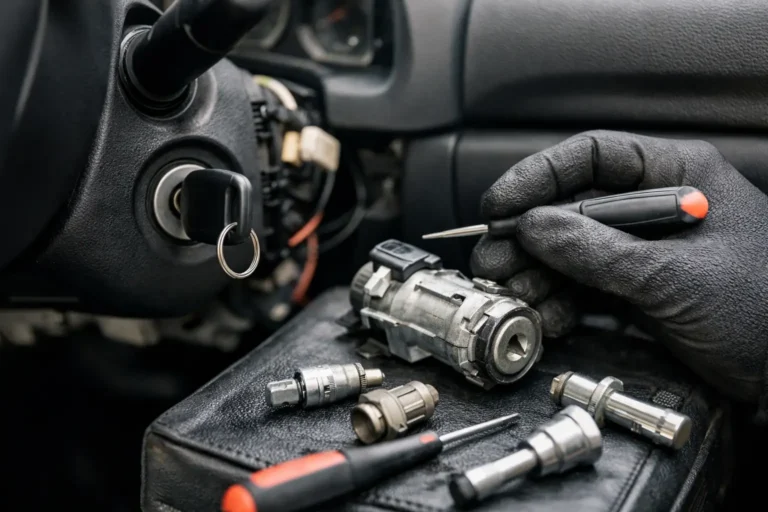
For a vehicle, service may include cutting a new key, repairing a damaged ignition, programming a transponder key, or making a spare so you are not left with one worn key again. That is particularly useful during an emergency in Hialeah, Doral, Miami Lakes, Miami Gardens, or nearby Miami-Dade areas, where a mobile response can come to the vehicle instead of requiring a trip to a shop.
Precise Locksmith LLC provides mobile locksmith help for broken car keys, stuck keys, ignition issues, and emergency access problems. If the key is trapped and time matters, request a quote or call for dispatch rather than risking costly damage with improvised tools.
Prevent Another Broken Key
Once the broken piece is out, do not keep using the other half of the key or a duplicate made from a badly worn original. A new key should be cut from a proper key code or a clean, working key whenever possible. Copies of worn copies can reproduce the same weak cuts and lead to poor lock operation.
Pay attention to warning signs. A key that needs extra force, catches halfway, comes out only after wiggling, or feels loose in the ignition should be inspected before it breaks. The same goes for a car door lock that has become difficult to turn after a collision, attempted theft, or years of exposure to heat and moisture.
Keep a spare key in a safe place, not inside the vehicle. For families, commuters, delivery drivers, and anyone who depends on their car every day, a programmed spare can prevent a small mechanical problem from becoming a missed shift or a long wait in a parking lot.
Frequently Asked Questions
Can I drive if the key broke in the ignition?
Usually, no. If the broken blade is still in the ignition, do not force it or attempt to start the car with the broken key head. A locksmith can remove the fragment and check whether the ignition cylinder was damaged or simply needs a new key.
Will a locksmith have to replace the whole lock?
Not always. If the fragment comes out cleanly and the cylinder is in good condition, extraction may be all that is needed. Replacement becomes more likely when the lock was already worn, the key broke while turned, or someone damaged the keyway during a DIY attempt.
Can a broken transponder key still start my car?
It depends. If the metal blade remains properly positioned in the ignition and the transponder chip is still close enough to be recognized, some vehicles may start. That is not a dependable or safe long-term solution. Have a replacement key cut and programmed as soon as possible.
A snapped key is frustrating, but it does not have to become a ruined lock, a tow bill, or a lost day. Leave the lock alone when the fragment is deep or stuck, and get the right help while the problem is still straightforward.