Car Key Codes: What They Do and When You Need Them
You are standing in a parking lot with a lost key, a broken remote, or a key that will not turn in the ignition. The last thing you need is a guessing game. Car key codes give a qualified automotive locksmith the information needed to cut a replacement key accurately and, when required, prepare it for programming. They can save time, reduce unnecessary damage, and help get you back on the road without towing your vehicle to a dealership.
For drivers in Miami-Dade, this matters most when the problem is urgent. You may have one working key and want a spare before it fails. You may have lost every key after a long workday. Or a worn key may suddenly stop operating the door or ignition. Knowing what a key code is, and what it is not, makes the next call much easier.
What Are Car Key Codes?
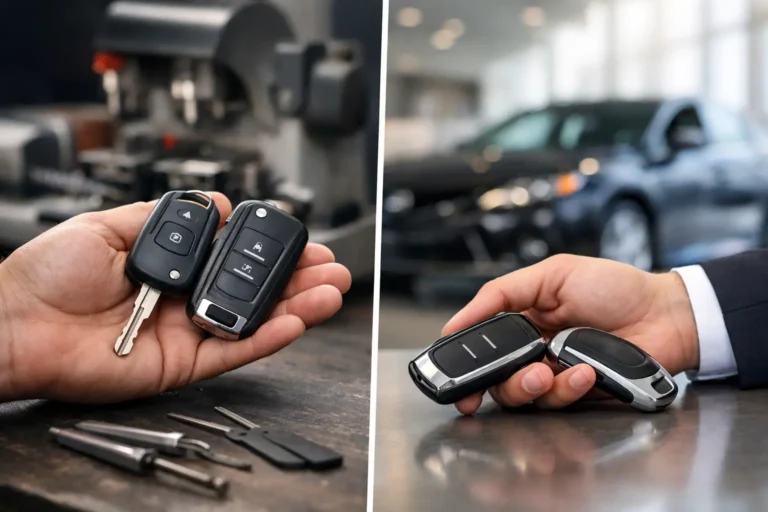
A car key code is a series of letters, numbers, or both that identifies the exact cuts needed for a mechanical vehicle key. Think of it as a blueprint for the grooves and depths on the blade. A locksmith uses the code with professional key-cutting equipment and authorized code resources to create a key that matches the vehicle’s lock system.
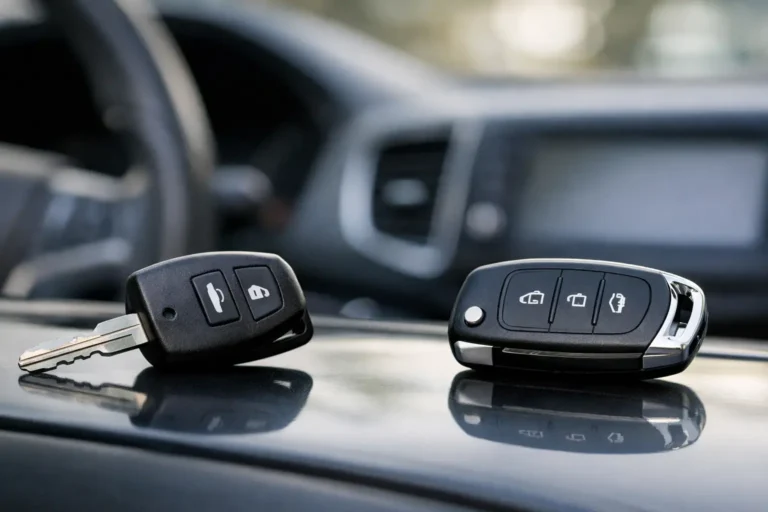
Not every vehicle uses the same type of code or code system. Older vehicles may have a straightforward mechanical key code. Many newer vehicles use a high-security, laser-cut style key that requires more precise equipment. Smart keys, proximity fobs, and push-button-start vehicles may still have an emergency key blade code, but they also need electronic programming before the vehicle will start.
That difference is critical: a key code can help create the physical key, but it does not automatically authorize a transponder key or remote fob to start your vehicle. Modern anti-theft systems require a correctly programmed chip, fob, or smart key as well.
When a Car Key Code Helps Most
Key codes are especially useful when there is no usable key available to copy. With a working original, a locksmith can often duplicate the blade directly. Without one, the correct code can make the process faster and more accurate than trying to decode worn locks or remove parts unnecessarily.
A code may help in situations such as these:
- You lost all keys to the vehicle and need a replacement made on-site.
- Your only key is badly worn, bent, cracked, or broken.
- You need a spare key cut before an emergency happens.
- A previous duplicate was cut poorly and no longer operates the locks smoothly.
- You have a replacement fob or key shell but need the emergency blade cut correctly.
There are limits. If the locks or ignition have been replaced at some point, the original factory code may not match the lock currently installed in your vehicle. A locksmith may need to inspect and decode the existing lock instead. That is not a problem, but it can affect the time and method needed to complete the job.
Where Can You Find Car Key Codes?
The answer depends on the make, model, and year of your car. Sometimes the code appears on original key tags supplied when the vehicle was new. These tags are often long gone, especially on used cars. In other cases, a dealer or qualified locksmith can retrieve key-cutting information after verifying ownership and confirming the vehicle identification number, or VIN.
Do not assume the code is printed in an obvious spot on the car. It is usually not. On some vehicles, a code may be found on a lock cylinder, but accessing it can require disassembly and should not be attempted by someone unfamiliar with the vehicle. Forcing trim panels, prying at the ignition, or removing a door lock incorrectly can turn a key problem into an expensive repair.
Your owner’s manual may contain key number information, but it often does not. Vehicle paperwork, service records, and documents from the selling dealer are worth checking. If you do find a key code tag, keep it somewhere secure at home, not inside the vehicle and not attached to your key ring.
Why VIN Verification Matters
A VIN is not a substitute for a key code, but it helps a professional determine the proper key system and confirm whether key information may be available. Because key codes can be used to create working keys, legitimate locksmiths protect customers by checking proof of ownership and identification before making a key.
Be ready to provide your driver’s license and vehicle registration, title, insurance documentation, or other acceptable proof tying you to the vehicle. If you are borrowing a family member’s car, using a company vehicle, or dealing with a rental, explain that upfront. The locksmith can tell you what documentation is needed before work begins.
That small security step protects you, your vehicle, and everyone else on the road.
Key Cutting Is Only Half the Job on Many Cars
Drivers often hear “key code” and expect a replacement key to start the car immediately. That may be true for some older vehicles with a standard metal key, but it is not the usual situation with modern vehicles.
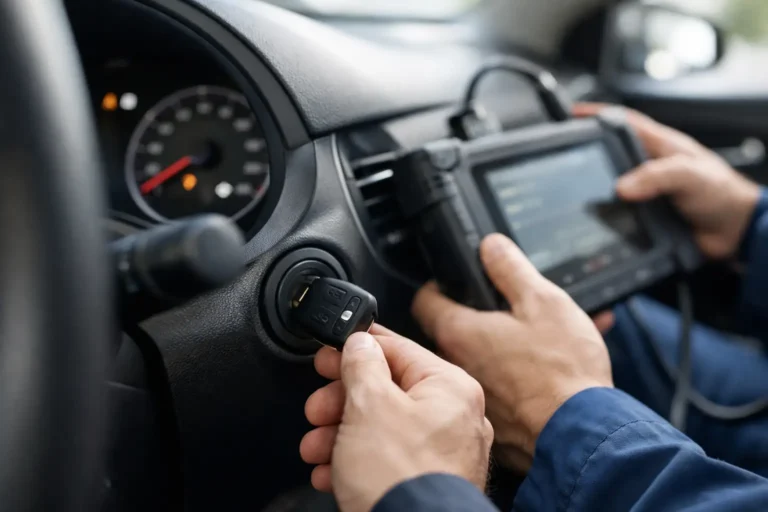
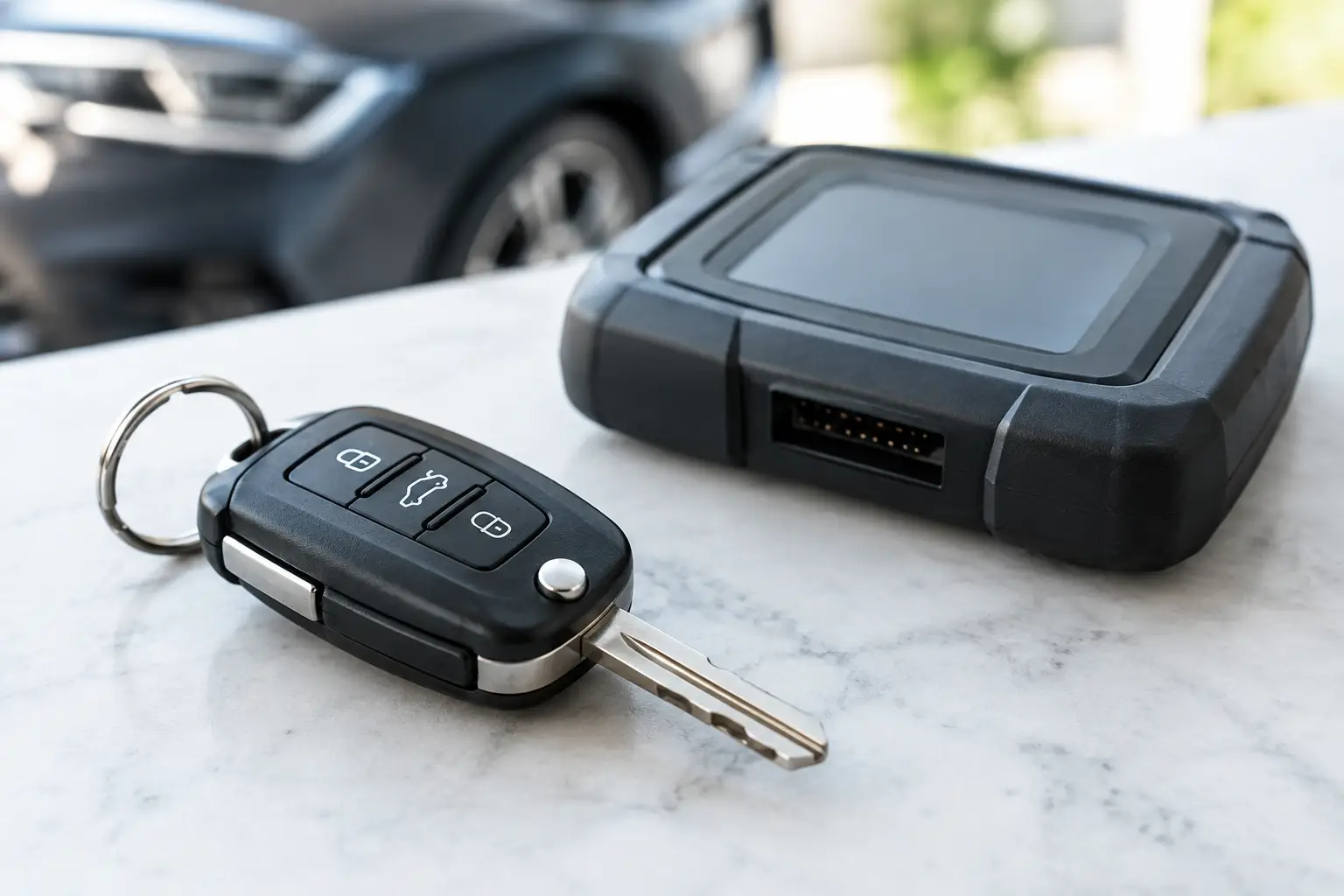
Most vehicles built in recent decades use a transponder chip or a smart-key system. The physical blade may unlock the door, yet the engine will not start until the vehicle recognizes the correct electronic credential. A remote fob also needs programming if you want lock, unlock, panic, trunk, or remote-start functions to work.
The exact service depends on your vehicle. A traditional transponder key may need cutting and chip programming. A flip key may require a new blade, remote programming, and transponder setup. A push-button-start vehicle may need a fully programmed proximity fob, plus an emergency insert key if the fob battery dies.
This is why it helps to give the locksmith accurate details when you call: the year, make, model, whether the vehicle has a key ignition or push-button start, and whether you have any working keys. Clear information helps the mobile technician arrive with the right key blank, fob, diagnostic equipment, and programming tools.
Can You Get a Car Key Code Online?
Be careful. Plenty of online services claim they can provide codes from a VIN or sell low-cost replacement keys. Some are legitimate parts sellers, but a code alone does not guarantee a solution. You still need the correct blank, precise cutting, and often vehicle-specific programming. An inexpensive fob that does not match your vehicle’s frequency, chip type, or part number can become money wasted.
There is also a security issue. Never post your VIN, key code, registration, or vehicle documents in public forums or social media comments. Treat key information the same way you would treat information that gives access to your home or vehicle.
For a simple spare on an older car, buying a blank and having it professionally cut may be practical. For all-keys-lost situations, high-security keys, European vehicles, and smart fobs, professional on-site service is usually the safer and faster choice. The right option depends on the vehicle, the type of key, and whether you need help now or are planning ahead.
What to Do If Your Key Is Lost, Broken, or Stuck
First, avoid forcing the key or ignition. If the key is stuck, twisted, or only partly inserted, pulling hard can snap it off inside the lock. If a fob stopped working, try the emergency key blade if your vehicle has one and consider whether a dead fob battery is part of the issue. A dead battery can prevent remote functions, although it is not the same as a damaged key or failed ignition.
Next, gather what you can: your location, vehicle details, VIN if accessible, proof of ownership, and any remaining key or fob pieces. If the vehicle is in an unsafe location, tell the dispatcher. A mobile automotive locksmith can assess whether the issue is key cutting, programming, broken-key extraction, ignition repair, or a door-lock problem.
Precise Locksmith LLC provides mobile automotive locksmith service for drivers who need help where the vehicle is located. That is especially useful when a car cannot be started, a key is lost after hours, or towing is not a practical first step.
Car Key Code FAQs
Is a key code the same as the code for my radio?
No. A radio security code restores access to an audio system after battery power is interrupted. A car key code identifies the cuts for a physical key blade. They serve completely different purposes.
Can a locksmith make a key without the original?
Often, yes. After verifying ownership, a locksmith may retrieve authorized key information or decode the vehicle’s existing lock. The final process depends on the vehicle and whether programming is required.
Will a new key work if my ignition is damaged?
Not always. If the ignition cylinder is worn, jammed, or internally damaged, even a correctly cut key may not turn it. The technician should inspect the ignition before assuming the key is the only issue.
Should I make a spare key before I need one?
Yes. A spare made while you still have a working key is usually simpler, less stressful, and often less expensive than replacing every key after one is lost.
If your key is failing, do not wait for it to leave you stranded at a gas station, office, or school pickup line. Keep your documents handy, describe the vehicle accurately, and call for professional help before a small key problem becomes an emergency.