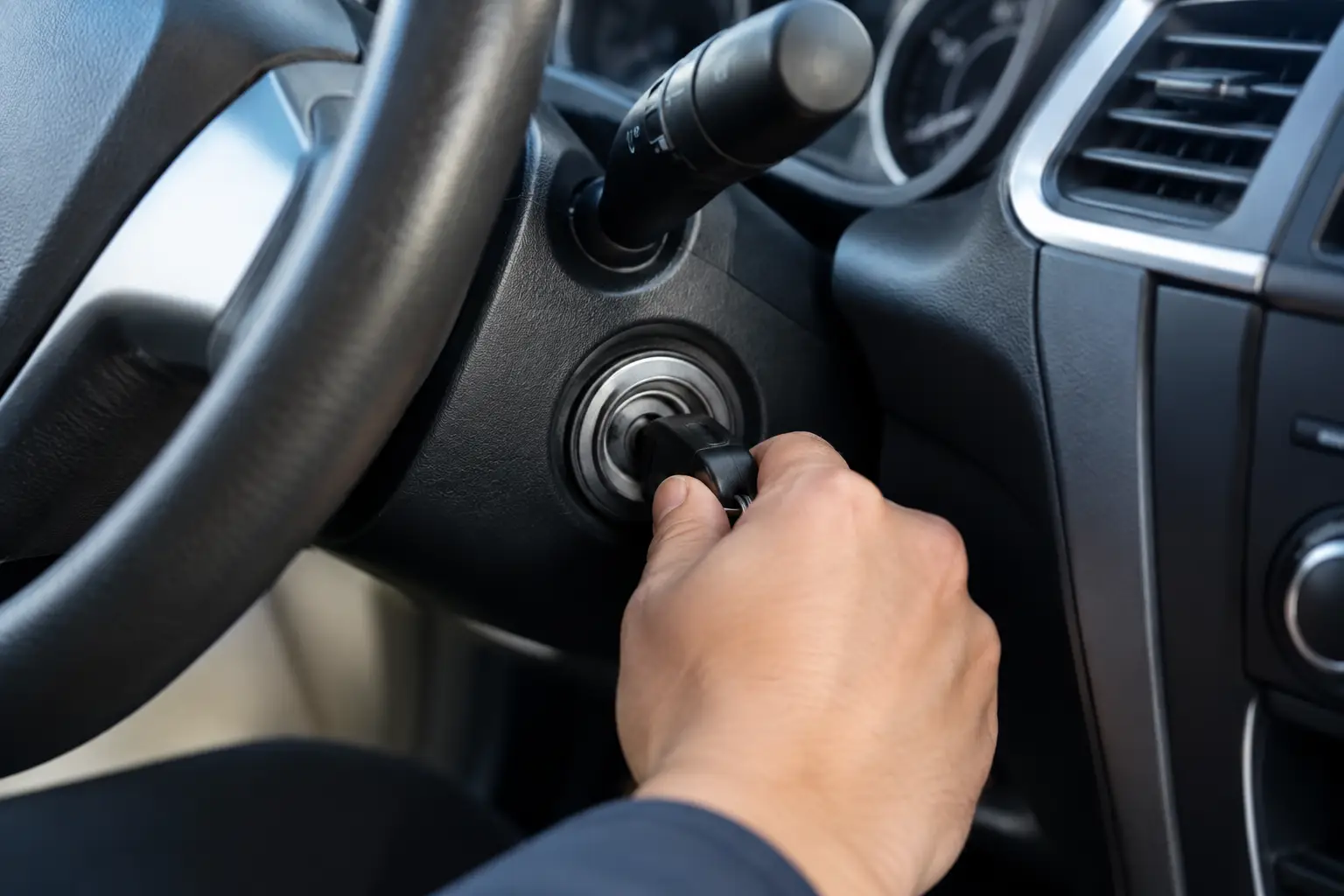
Common Ignition Switch Symptoms to Watch For
Your key turns, but the dashboard stays dark. Or your car starts once, then dies at the next red light. These are common ignition switch symptoms that can turn a normal drive into a stressful roadside problem fast.
The ignition system does more than give your key a place to turn. It connects power to critical vehicle systems, works with the key or key fob security system, and allows the engine to start. When any part of that process fails, the symptoms can look similar to a weak battery, a bad starter, a worn key, or an electrical problem. Knowing what you are seeing helps you avoid wasted time, damage, and an unnecessary tow.
Common Ignition Switch Symptoms That Need Attention
An ignition switch problem does not always mean the same thing. In many vehicles, people use the term “ignition switch” to describe the entire assembly, including the lock cylinder where the key goes, the electrical switch behind it, and sometimes the electronic security components. The right repair depends on which part has failed.
The key will not turn or feels unusually stiff
A key that will not turn is often a mechanical issue with the ignition lock cylinder, not necessarily the electrical switch. Worn pins inside the cylinder, a worn-down key, dirt, or damage from forcing the key can keep it from rotating.
First, make sure the steering wheel is not locked under pressure. Gently move the wheel left and right while turning the key with light pressure. If the key still will not move, stop forcing it. A broken key inside the ignition creates a bigger repair and can leave you stranded longer.
A mobile automotive locksmith can inspect the key and cylinder on-site, remove a stuck or broken key, and determine whether the ignition needs repair or replacement.
The car starts, then stalls without warning
If the engine starts normally but suddenly shuts off while driving or idling, an intermittent ignition switch may be cutting power to the engine or vehicle electronics. You may notice dash lights flickering, the radio turning off, or accessories resetting just before the engine dies.
This is a serious symptom. A vehicle that loses power in traffic can become a safety issue, especially during Miami rush hour or on a busy highway. Pull over safely if possible and avoid continuing to drive until the cause is identified.
That said, stalling can also come from fuel delivery, sensors, a failing alternator, or other engine problems. A locksmith can address an ignition cylinder, key, or transponder-related issue, while a mechanic may be needed if testing points to a deeper electrical or engine fault.
Dashboard lights or accessories work intermittently
Turn the key to the ON position. If the dashboard lights, climate controls, power windows, radio, or other accessories work only sometimes, the electrical portion of the ignition switch may not be making reliable contact.
Pay attention to whether the issue changes when you lightly move the key. If accessories cut in and out as the key shifts, there may be wear in the ignition assembly. Do not keep jiggling the key aggressively. It can worsen internal damage and make the key harder to remove.
Intermittent electrical power is frustrating because it may disappear before you get help. If possible, take a quick video of the dash or note exactly what happens: whether the lights come on, whether the engine cranks, and whether the key feels loose or tight. Those details help a technician narrow down the issue faster.
The car does not start, but the battery seems fine
A no-start condition is one of the most common signs people associate with ignition trouble. You turn the key or press the start button, but the vehicle does nothing, clicks, or cranks without starting. Before blaming the ignition, consider the basics.
A dead battery, loose battery terminal, failed starter, blown fuse, or security-system issue can create nearly identical symptoms. If headlights are dim, the horn is weak, or the dash rapidly flickers, battery power may be the real problem. If the lights are bright but the vehicle does not recognize the key, the issue may involve the transponder chip, key fob battery, or immobilizer system.
Modern vehicles often require a correctly programmed key to start. A newly cut key that has not been programmed may turn in the ignition but still will not start the engine. This is why the fastest solution is not always replacing the switch. Proper diagnosis protects you from paying for the wrong repair.
The key is difficult to remove or gets stuck
A key that will not come out can be caused by a failing ignition cylinder, a damaged key, or a vehicle that is not fully in Park. In automatic vehicles, press the brake, confirm the shifter is firmly in Park, and then try turning the key fully to the OFF position.
If the key remains trapped, do not pull it with pliers or twist it hard. You could break the blade, damage the steering column trim, or turn a simple service call into a more involved ignition repair. A locksmith has the tools to remove the key carefully and assess whether the cylinder can be repaired or needs replacement.
What Causes Ignition Problems?
Ignition components wear down over time. A heavy key ring can add extra weight and movement while the vehicle is running, placing strain on an older ignition cylinder. Keys also wear, especially when used for years, copied from an already worn key, or exposed to bending and damage.
Heat, moisture, corrosion, and repeated use can affect electrical contacts inside the switch. In South Florida, high heat and humidity can be hard on vehicle components over time. Accidental damage also matters. A key forced into the wrong position, an attempted theft, or a previous poor repair can all affect how the ignition operates.
For push-button vehicles, the problem may not be a traditional ignition cylinder at all. A weak key fob battery, a damaged fob, antenna issues, or a vehicle immobilizer fault may prevent the car from recognizing the key. The symptoms feel similar from the driver’s seat, but the repair path is different.
What to Do When Your Ignition Is Acting Up
Start by keeping the situation safe. If the car stalls or loses electrical power while moving, get out of traffic as safely as you can and turn on hazard lights. Do not attempt repeated starts until the battery is drained, particularly if the vehicle is making unusual clicking or grinding sounds.
If the key will not turn, try the steering-wheel release technique gently. If the key is already turned and stuck, confirm the vehicle is in Park. For a key fob vehicle, try the backup starting procedure listed in the owner’s manual, which often involves holding the fob close to the start button. These steps can help with simple issues, but they should not involve force.
Avoid spraying random lubricants into the ignition. Some products collect dirt, interfere with internal components, or provide only a temporary change that hides the real issue. Also avoid using a damaged or bent key just because it worked once before. A spare key may start the car, but if the ignition remains rough or intermittent, the underlying problem still needs attention.
Ignition Repair, Key Replacement, or a Mechanic: Which Do You Need?
It depends on the diagnosis. If the key is worn, broken, stuck, or no longer recognized by the vehicle, an automotive locksmith may be able to cut, program, repair, or replace the key at your location. If the lock cylinder is damaged, a locksmith can often repair or replace the ignition hardware without sending you to a shop.
If the vehicle has confirmed wiring damage, charging-system trouble, starter failure, or engine-control faults, a mechanic or dealership may be the right next step. The goal is not to guess. It is to identify whether the problem is mechanical, key-related, electronic, or electrical before authorizing repairs.
For drivers in Miami-Dade, a mobile locksmith is especially useful when the car cannot be moved, the key is trapped in the ignition, or you need a programmed replacement key on-site. Precise Locksmith LLC provides mobile automotive locksmith service for these urgent situations, with practical help where your vehicle is parked.
When to Call for Emergency Help
Call for prompt assistance if your key breaks in the ignition, the ignition will not turn, the vehicle starts and repeatedly stalls, or you are stranded somewhere unsafe. You should also call if your key fob is not recognized and you do not have a working spare.
Waiting can be reasonable when the vehicle is safely parked and the issue is clearly minor, such as a low fob battery. But a stiff key, intermittent starting, or flickering power rarely improves on its own. Getting the problem checked early can prevent a complete no-start situation when you are heading to work, picking up family, or trying to get home.
A failing ignition often gives warning signs before it quits completely. Treat those signs as a chance to fix the problem on your terms, rather than dealing with a stranded vehicle at the worst possible time.