How to Reprogram Your Replacement Car Remote
If you searched “reprogram replacement car remote,” the real question is simple: can your vehicle recognize the new remote, and can it be done without creating another problem? A replacement fob that will not lock, unlock, start, or open the trunk is frustrating, especially when you are already late, stranded, or dealing with a lost key.
Some remotes can be programmed at home in a few minutes. Others require professional diagnostic equipment, a working key, a security PIN, or access to the vehicle’s immobilizer system. The right answer depends on your vehicle, the type of remote you bought, and whether you need basic door-lock functions, a working transponder key, or full push-button start access.
What It Means to Reprogram a Replacement Car Remote
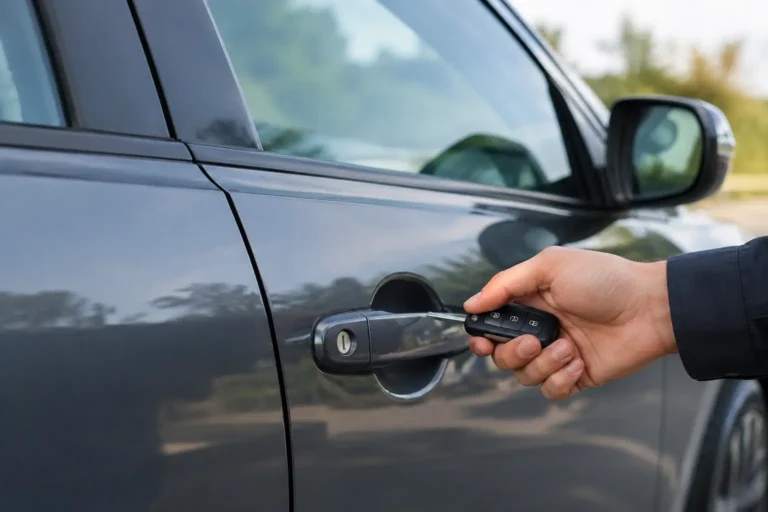
A car remote is not always just a remote. On older vehicles, it may only control the locks, trunk, and panic alarm. On many newer vehicles, the fob also contains a transponder chip or proximity system that communicates with the car before it will start.
That difference matters. Programming lock buttons is often called remote synchronization. Programming the chip or smart fob so the engine will start is key programming. A vehicle can recognize the lock buttons while still refusing to start, or it can start with a physical key while the remote buttons do nothing.
Before trying to reprogram a replacement car remote, identify exactly what you are replacing. Check whether your original key had buttons, a removable metal key blade, a push-button start function, or a separate remote and ignition key. Match the part number, frequency, and FCC ID when possible. A fob that looks identical may still be incompatible with your specific model year or trim package.
When You May Be Able to Program It Yourself
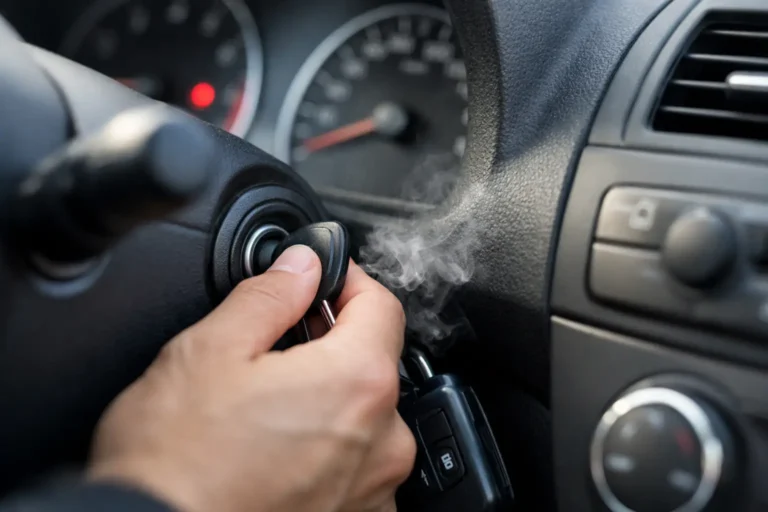
Some vehicles allow a limited do-it-yourself procedure for remote functions. The process usually involves sitting in the driver’s seat, closing all doors, cycling the ignition in a specific pattern, and pressing buttons on the new remote within a short time. The exact sequence is vehicle-specific. Using a random procedure from a similar make and model can waste time and may erase a remote that was already working.
DIY programming is most likely to work when the vehicle is older, the replacement is an exact compatible remote, and you still have at least one working key or fob. It can be a reasonable option for a simple keyless-entry remote when the car starts normally with its existing key.
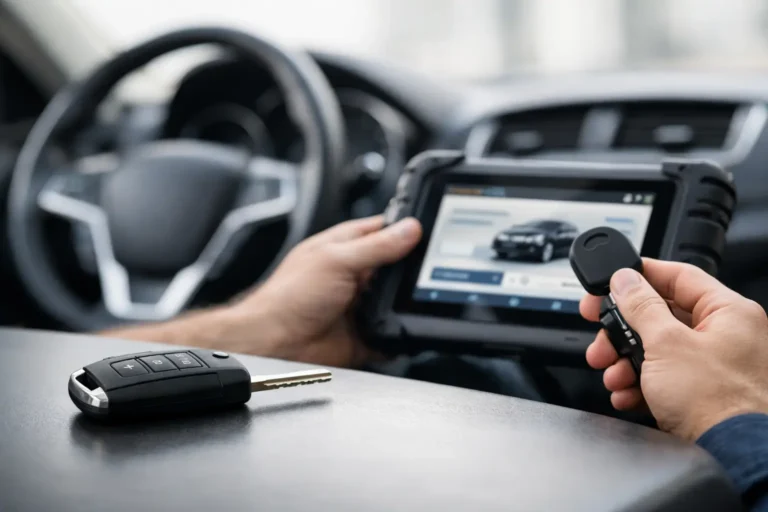
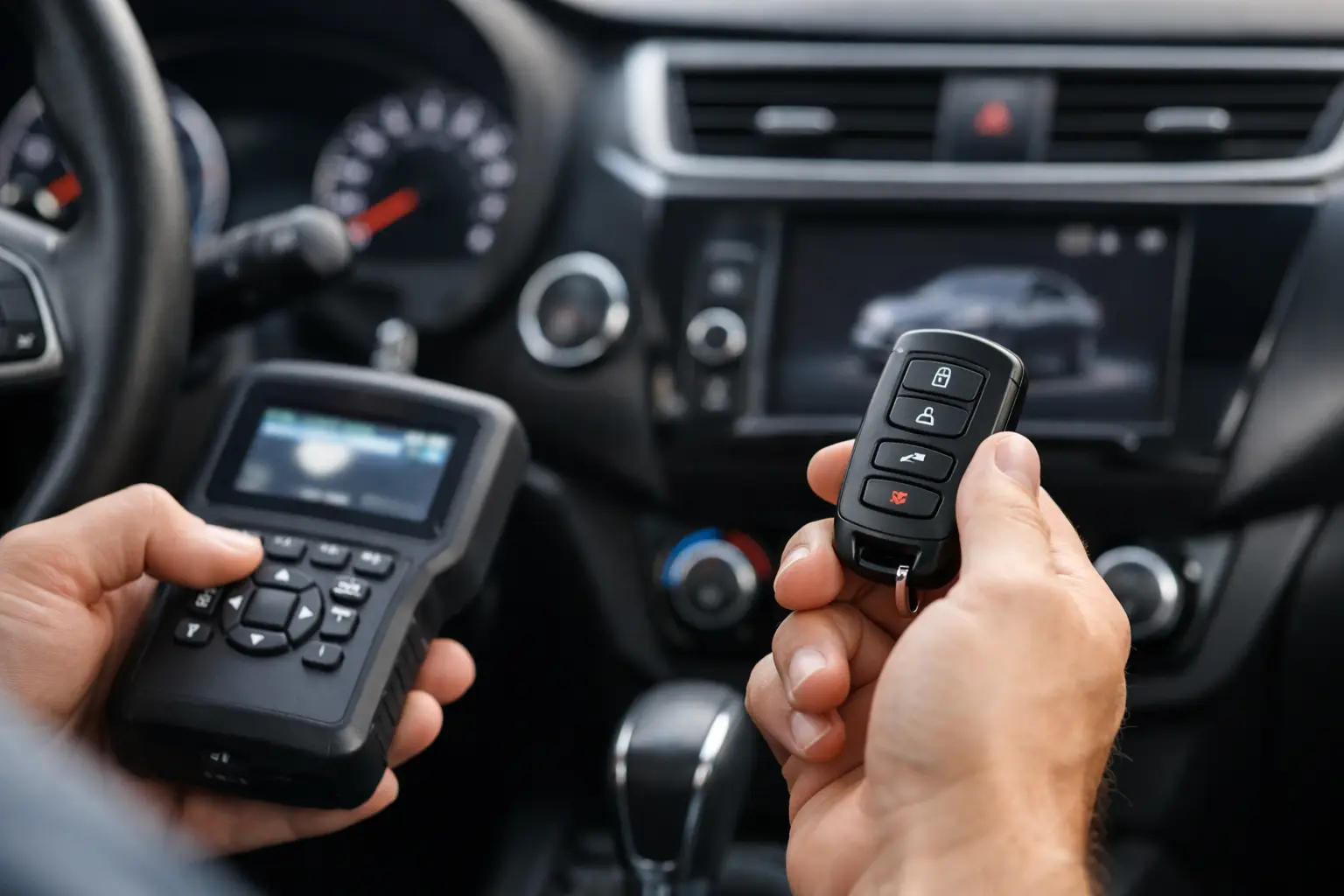
It is less likely to work when you have a late-model smart key, push-button ignition, an all-keys-lost situation, or a vehicle with advanced anti-theft security. Many newer cars require a scan tool to add keys to the system. Some also require a PIN, online authorization, or a procedure performed through the vehicle’s diagnostic port.
Check These Basics Before Programming
A dead battery is the easiest problem to miss. Install a fresh battery in the replacement remote, confirm it is facing the correct direction, and inspect the battery contacts for corrosion or a loose connection. If the remote has an emergency key blade, make sure it is cut correctly before relying on it.
Next, verify the replacement fob. The part number should match the original whenever possible. If the original is missing, use the vehicle identification number, exact year, make, model, and trim to verify compatibility. Be careful with used remotes. Many can be reused only after they are properly cleared, and some are permanently locked to the first vehicle they were programmed to.
Also consider the condition of the car battery. Low voltage can cause strange electronic behavior, including weak remote response, intermittent recognition, and failed programming attempts. If the car battery is weak, charge or replace it before assuming the fob is defective.
Why a Replacement Remote Will Not Program
The most common issue is an incompatible remote. A close match is not always enough. Two vehicles from the same manufacturer may use different frequencies, chips, or software depending on model year, package, and market.
The second common issue is that the vehicle requires more than button programming. If your car has an immobilizer, the transponder chip must be registered to the car. Without that step, the remote may unlock the door but the engine can crank without starting, or a security warning may appear on the dashboard.
A damaged receiver, antenna, door-lock actuator, ignition system, or body control module can also make a good remote appear faulty. For push-button start vehicles, the car may not detect the fob because of an antenna issue inside the vehicle, not because the replacement needs programming.
Finally, some vehicles have a limit on the number of keys or remotes stored in memory. A professional can check the stored keys, remove lost or unauthorized ones when appropriate, and add the replacement correctly.
When a Mobile Locksmith Is the Better Choice
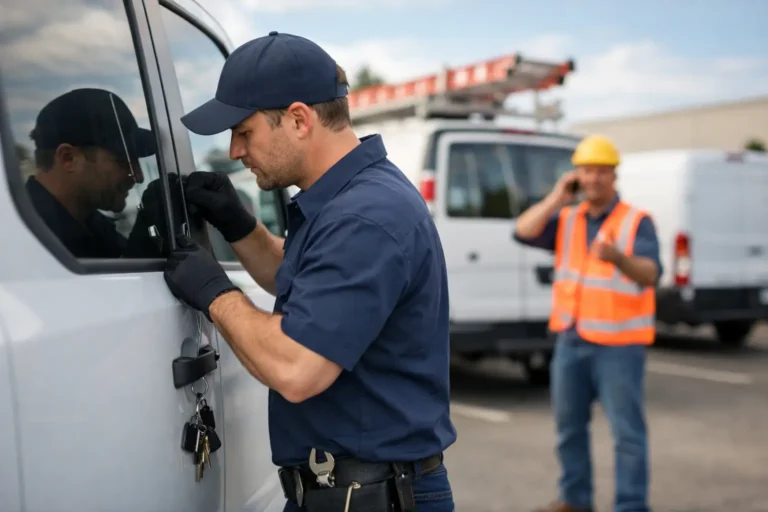
Calling a mobile automotive locksmith makes sense when you need the vehicle working now, not after several failed attempts. This is especially true if you lost all keys, bought a replacement fob online, have a broken key, or need a smart key programmed for push-button start.
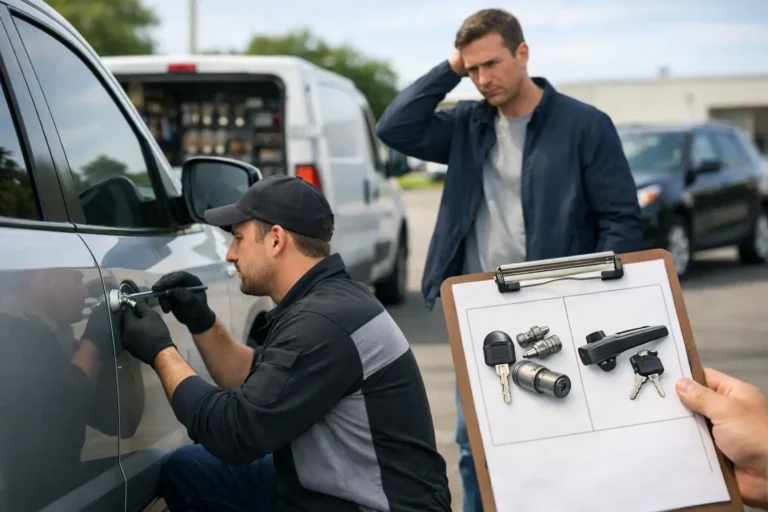
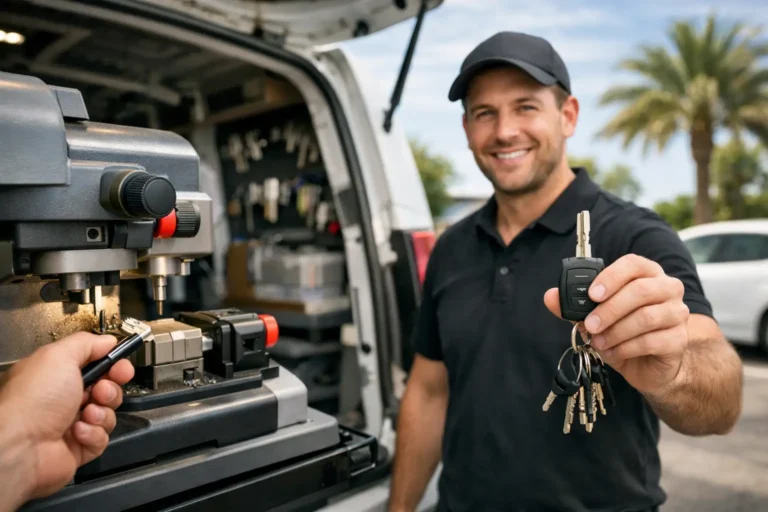
A qualified technician can identify the correct remote, cut the emergency key blade if needed, program the transponder or smart key, and test every function on-site. That includes lock and unlock buttons, trunk release, panic button, remote start when equipped, and engine start authorization.
This approach also avoids towing the vehicle to a dealer just to find out the fob is incompatible or the issue is actually the car’s receiver. For drivers in Miami-Dade, Hialeah, Doral, Miami Lakes, and nearby areas, Precise Locksmith LLC can come to the vehicle for replacement remote programming and related car key problems.
What to Have Ready for Faster Service
Have the vehicle’s year, make, model, and location ready when requesting help. If you have the replacement remote, provide the part number or clear details from its label. Let the technician know whether you have any working keys, whether the vehicle uses a traditional ignition or push-button start, and what the remote currently does.
You should also have proof that you own or are authorized to use the vehicle. This protects you and helps the technician handle the job responsibly. If the remote was lost or stolen, ask whether the old key or fob can be removed from the vehicle’s memory so it can no longer start the car.
Avoid These Costly Shortcuts
Do not force an emergency key blade into the ignition if it does not turn smoothly. A wrong or poorly cut blade can damage the ignition, turning a remote problem into an ignition repair. Do not keep cycling the ignition or pressing remote buttons for long periods if a procedure fails. Stop, verify compatibility, and get the correct programming information for your vehicle.
Avoid buying the cheapest remote based only on appearance. A low-cost fob can still be a bad purchase if its electronics are wrong, its board is damaged, or it cannot be programmed to your vehicle. The best value is a compatible remote that works fully and is tested before the technician leaves.
Get the Remote Working Before It Becomes a Lockout
A replacement remote should give you dependable access to your vehicle, not leave you guessing whether the doors will open or the engine will start. If the DIY method is not clearly confirmed for your exact vehicle, or the new fob still will not work after basic checks, get hands-on help before you are stuck outside your car. A properly programmed remote, tested at your location, is the practical way to get back to your day with confidence.