A Complete Guide to Ignition Lock Repair
Your key turns halfway, sticks in the cylinder, or will not turn at all. Now the car is parked, your schedule is slipping, and forcing the key feels like the only option. Do not do it. This complete guide to ignition lock repair explains what may be wrong, what you can safely check, and when a mobile automotive locksmith should handle the repair on-site.
An ignition problem is not always a broken ignition lock. A worn key, a locked steering wheel, a failing key chip, a damaged cylinder, or an internal ignition switch issue can create similar symptoms. The right diagnosis matters because the wrong fix can turn a manageable repair into damage to the key, steering column, or vehicle electronics.
What an Ignition Lock Does
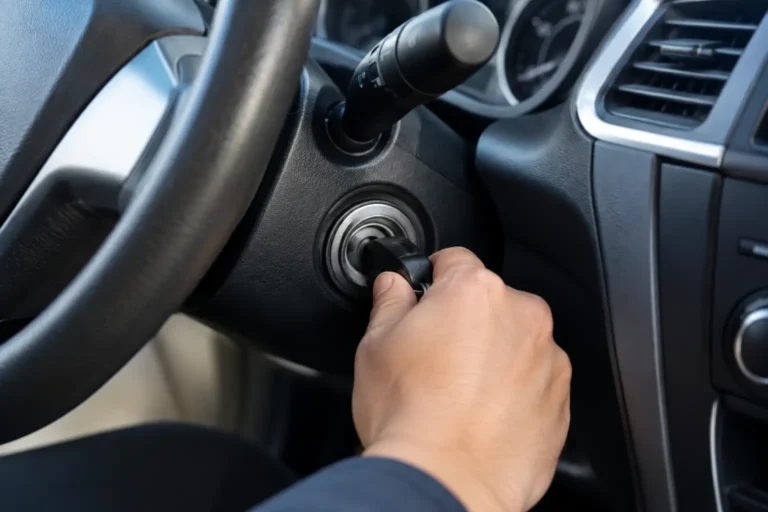
The ignition lock cylinder is the mechanical part where you insert and turn a traditional key. Its internal pins must match the cuts on your key before it can rotate. When it turns properly, it activates the vehicle’s ignition system through components behind the cylinder.
Many newer vehicles add an immobilizer system. The key may need a correctly programmed transponder chip before the car will start, even if the key turns in the ignition. Push-button vehicles work differently, but they can still have related issues involving key recognition, steering locks, or electronic ignition modules.
That difference is why a car that will not start is not automatically an ignition lock repair. If the key will not physically turn, the lock cylinder or key is often the first place to investigate. If it turns but the engine will not crank or starts and immediately dies, the cause may be electrical or related to the immobilizer.
Complete Guide to Ignition Lock Repair: Start With the Symptoms
A few details can point a technician in the right direction before any parts are removed. Pay attention to whether the key enters fully, whether it turns to accessory mode, whether the steering wheel is jammed, and whether a spare key behaves differently.
These are common warning signs that deserve attention:
- The key is hard to insert, remove, or turn.
- The key turns only after repeated jiggling or pressure.
- The ignition binds in one position or gets stuck in accessory mode.
- The key comes out while the engine is running, or the cylinder turns too freely.
- The key turns normally, but the dashboard lights, starter, or security indicator acts abnormally.
A key that works intermittently is not a small inconvenience to ignore. Internal wafers in the cylinder can wear down over time. So can the metal cuts on the key. Each time you force a worn key through a failing cylinder, you increase the odds of a broken key or a complete lockup at the worst possible time.
A Locked Steering Wheel Can Mimic a Bad Ignition
If your steering wheel is pressed tightly against the steering lock, the key may refuse to turn even when the ignition cylinder is fine. This often happens when the front wheels are turned after parking on an incline or against a curb.
Keep the brake applied, gently move the steering wheel left and right, and turn the key at the same time. Use steady pressure only. If the wheel releases and the key turns, there may be no repair needed. If the key remains stuck, do not twist it harder. Keys can bend or break inside the cylinder.
Try a Spare Key Before Assuming the Lock Failed
A worn duplicate key is one of the most common reasons an ignition feels unreliable. Compare it with a less-used spare key if you have one. If the spare works smoothly, the original key may need to be cut again from the correct key code or replaced.
Avoid relying on a copy made from an already worn key. Every generation of copying can carry over small errors in the cuts. On vehicles with transponder keys or smart keys, a replacement may also need programming before it starts the vehicle.
What You Can Safely Do and What to Avoid
There are a few low-risk checks drivers can make. Inspect the key for bending, cracks, worn edges, or debris. Make sure the vehicle is fully in Park for an automatic transmission or in Neutral with the clutch engaged for a manual. Confirm the steering wheel is not binding as described above.
Do not spray household oil, thick grease, or random lubricants into the keyway. These products collect dirt and may make an already worn cylinder worse. Do not pry around the ignition trim, strike the key, or use pliers to force it. Modern steering columns can contain sensitive wiring and airbag-related components.
If a key has broken in the ignition, stop immediately. Trying to dig it out with a paperclip, screwdriver, or glue can push the fragment deeper and damage the cylinder. A locksmith can remove the piece with the right extraction tools, assess the lock, and make a working replacement key when needed.
When Ignition Lock Repair Is the Right Fix
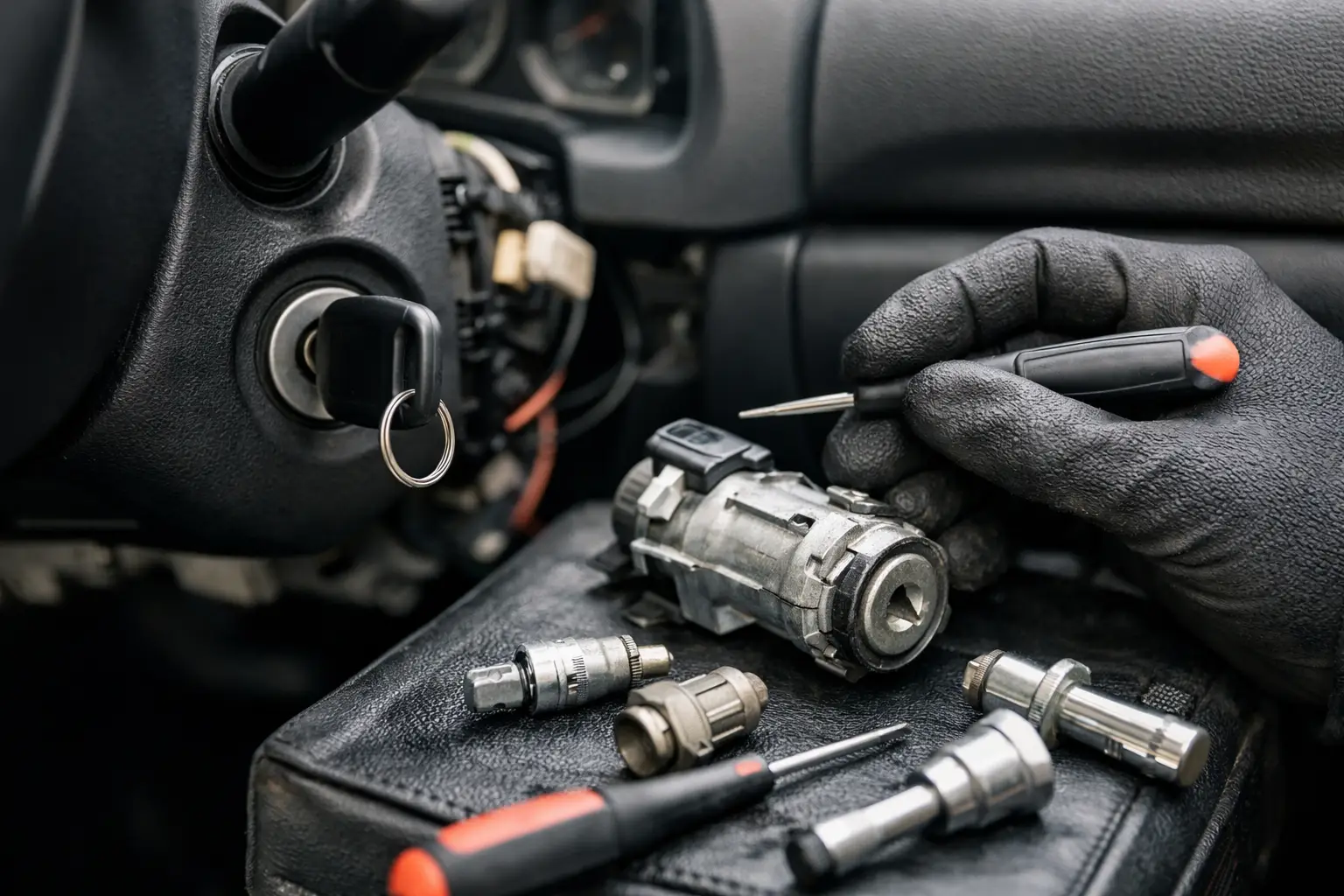
Repair is often possible when the cylinder is worn, a wafer is sticking, or the keyway has been damaged but the surrounding ignition assembly is still serviceable. An experienced automotive locksmith can inspect the cylinder, remove it correctly, rebuild or replace it when appropriate, and match the repair to your existing key.
Replacement becomes more likely when the cylinder is severely damaged, the key has been forced repeatedly, or internal parts have failed. On some vehicles, replacing an ignition cylinder means rekeying it to match your door locks. On others, a new key and transponder programming may be needed. The exact approach depends on the make, model, year, and security system.
There is a trade-off between the cheapest immediate option and the repair that prevents future problems. A simple key replacement may solve the issue if the key is worn. But if the cylinder is failing, continuing to use it can leave you stranded later. A professional diagnosis helps prevent paying for parts that do not address the real cause.
When the Problem May Be Electrical Instead
If the key turns smoothly but nothing happens, the ignition lock cylinder may not be the source. A weak battery, faulty starter, blown fuse, neutral safety switch, ignition switch, or immobilizer issue can all prevent starting.
A useful clue is what the vehicle does when the key reaches the start position. No dash lights may suggest a power issue. Dash lights with no crank can point toward the starter circuit or safety switch. A flashing security light may indicate a key programming or immobilizer problem. A locksmith can address key and ignition-related causes, while a mechanic may be needed if testing points to a broader electrical or engine issue.
Why Mobile Ignition Service Saves Time
A vehicle with a stuck key or failed ignition is often not drivable. Towing it to a shop adds cost, delay, and coordination when you may simply need the cylinder repaired, a key extracted, or a replacement key programmed where the car sits.
For drivers in Miami-Dade, a mobile automotive locksmith can come to your home, workplace, parking garage, or roadside location with equipment to inspect the lock, cut keys, program compatible keys, and handle many ignition repairs on-site. Precise Locksmith LLC provides this type of direct, 24/7 assistance for urgent vehicle lock and key problems.
Before service begins, give the technician the vehicle year, make, model, your location, and a clear description of what the key is doing. Mention whether you have a working spare and whether the key is stuck, broken, or simply will not turn. Those details help the technician arrive prepared and provide a more accurate quote.
Protect Your Ignition After the Repair
Once the problem is fixed, use a key that is in good condition and avoid heavy keychains that pull on the ignition while driving. Keep a working spare somewhere safe rather than waiting until the only key fails. If turning the key begins to feel rough again, arrange service early instead of waiting for a full lockout.
A stuck ignition can stop your entire day, but it does not need to become a larger repair. Treat the key and cylinder gently, avoid force, and get qualified help while the problem is still manageable.