Wheel Lock Key Replacement: What to Do Next
A flat tire should be a routine repair. It becomes a major delay when the shop finds a locking lug nut and the matching key is missing. Wheel lock key replacement is not always as simple as buying a universal tool, especially when you need the wheel off now. The right approach depends on the lock design, the condition of the lug nut, and whether a replacement key can be identified accurately.
If you are parked at home, at work, or stranded with a damaged tire, avoid forcing the lock with pliers, a screwdriver, or a standard socket. Those attempts can round off the lock, damage the wheel finish, break a stud, or turn a straightforward removal into a more expensive repair. A trained mobile technician can assess the lock on-site and help you move forward without guessing.
Why Wheel Lock Keys Are Not Universal
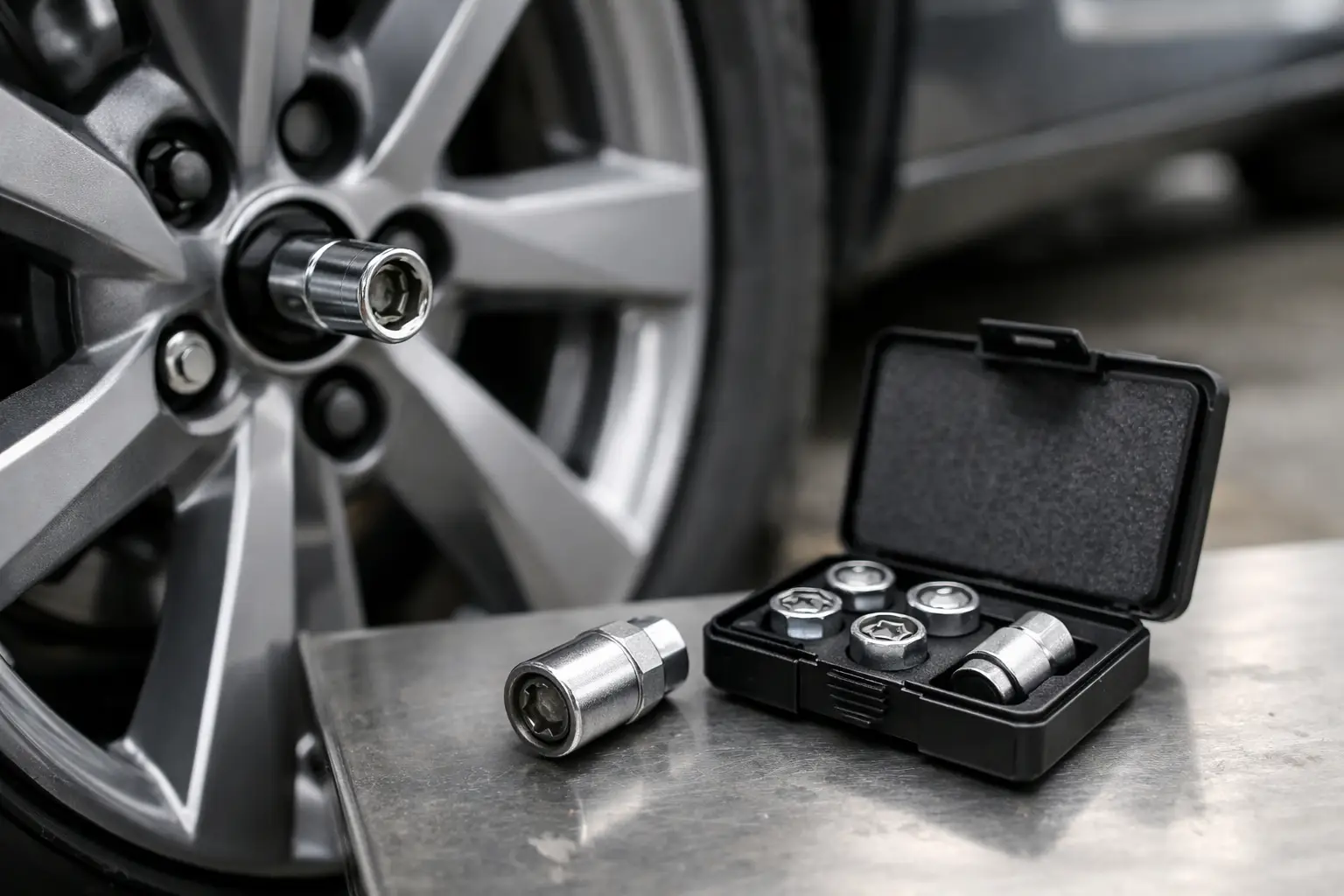
Wheel locks, also called locking lug nuts, are designed to prevent easy wheel theft. Instead of the standard hex-shaped lug nut, each lock has a unique pattern on its face. A matching key fits over that pattern so a lug wrench can remove it.
The issue is that many patterns look similar but are not identical. A key from another vehicle, even one with the same vehicle brand, may not seat correctly. Pressing the wrong key into place can damage both the key and the locking lug nut. This is why a universal wheel lock key is usually not the answer people expect it to be.
Some locks are original equipment installed by the vehicle manufacturer or dealer. Others were added later as an aftermarket accessory. The manufacturer, lock brand, and code number can affect whether an exact replacement is available. If the wheel locks are old, corroded, damaged, or have no readable identification, professional removal may be the practical option.
Start With the Places the Key Is Usually Stored
Before arranging wheel lock key replacement or removal, spend a few minutes checking the places where the key commonly ends up. It is often a small metal adapter, so it can be easy to overlook.
Check the glove box, center console, trunk tool compartment, spare-tire well, and any small pouch with the jack or tire tools. Look in the door pockets and under the cargo floor as well. If the vehicle was recently purchased, check paperwork from the dealer, previous owner, or tire shop. Some wheel lock kits include a code card, which can help identify the correct replacement key.
Do not forget the last person who had the wheels removed. A tire shop, dealership, body shop, or mechanic may have placed the key in a different storage area after service. It is worth calling if the wheels were worked on recently.
When a Replacement Key Is Possible
An exact replacement is most likely when you know the wheel lock manufacturer and have the lock code. The code may appear on the original package, a registration card, or paperwork left in the vehicle. In some cases, a technician can identify the lock pattern directly from the installed wheel lock, but that depends on its design and condition.
A replacement key is a good solution when the wheel locks are in good shape and you want to keep using them. It can be more affordable than replacing an entire lock set, but availability and delivery time vary. If you have a tire emergency, waiting for a factory replacement may not be realistic.
There is also a security consideration. If you bought the vehicle used and have no history for the locks, replacing the full set after removal can make more sense. That gives you a new key and avoids relying on a worn lock with an uncertain past.
When Professional Wheel Lock Removal Makes More Sense
If the tire is flat, the wheel is damaged, or you need brake or suspension work immediately, the priority is removing the locking lug nut without harming the wheel or studs. A mobile locksmith or qualified wheel-lock removal technician may use specialized extraction tools to remove the lock safely.
This is not a job for improvised methods. Hammering on an oversized socket, drilling without the right equipment, or using heat near the wheel can cause damage that costs far more than the original problem. Alloy wheels and decorative lug covers are particularly easy to scar or crack when the wrong removal method is used.
Professional removal is often the better choice when:
- The key is lost and there is no lock code.
- The locking lug nut is stripped, seized, or visibly damaged.
- You have a flat tire or roadside emergency and cannot wait for a replacement key.
- A tire shop cannot remove the wheel with its available tools.
- You want to replace the locks with standard lug nuts or a new matching set.
A technician should inspect the wheel lock before choosing a method. The goal is to remove the locking lug nut while protecting the wheel, wheel stud, brake components, and surrounding lug nuts. Once it is off, you can decide whether to install a new lock set or use standard lug nuts.
What to Have Ready Before You Call
A few details can save time and help the technician arrive prepared. Have the vehicle year, make, model, and wheel type ready. Factory wheels, aftermarket wheels, and wheels with deep or narrow lug openings can require different tools and approaches.
If possible, take a clear photo of the locking lug nut and the wheel. Do not remove any center caps or pry at the lock unless you know they are designed to come off. Let the technician know whether the vehicle has a flat tire, whether it is safe to drive, and whether a shop has already tried to remove the lock.
You should also be prepared to show proof that the vehicle is yours or that you are authorized to have service performed. That protects you, the vehicle owner, and the technician. A professional service provider will take vehicle security seriously.
Avoid These Costly Mistakes
The biggest mistake is continuing to apply force after a tool starts slipping. Wheel locks are hardened, and repeated slipping can smooth out the pattern that an extraction tool needs to grip. If the lock is already damaged, stop before the wheel itself becomes damaged too.
Avoid buying random keys based only on a photo online. Similar-looking keys may have different depths, splines, or outer diameters. A poor fit can get stuck on the lock or leave you with a broken adapter.
It is also wise not to drive long distances on a tire that needs immediate attention just because the wheel lock is in the way. A low or damaged tire can fail completely, and a simple wheel lock problem can become a dangerous roadside situation. If you are in Miami-Dade, Hialeah, Doral, Miami Lakes, or nearby areas, mobile assistance can bring the right tools to your location instead of adding a risky drive to the problem.
After the Lock Is Removed
Once the wheel lock is removed, inspect the remaining lug nuts and wheel studs. If the lock was seized or damaged, the stud threads may need attention before a new lug nut is installed. The replacement lug nut should match the correct seat type, thread size, and torque specification for your vehicle. Using the wrong hardware can affect how the wheel sits and how securely it is fastened.
If you choose a new lock set, store the key somewhere you will remember but not somewhere obvious to a thief. A labeled pouch in the spare-tire tool kit is a common choice. Take a photo of the key code and keep it with your vehicle records, not loose in the glove box. When you have tire service done, remind the technician that wheel locks are installed and confirm the key is returned before you leave.
Precise Locksmith LLC provides practical mobile help for urgent vehicle lock and key problems, including situations where a missing wheel lock key is keeping you from getting necessary wheel service. Request a quote with your vehicle details and location, and explain whether the wheel must come off immediately.
A missing wheel lock key does not need to ruin your day or damage your wheels. Stop using tools that do not fit, keep your vehicle safe where it is, and get experienced help when time and condition matter.