Car Remote Battery Replacement Done Right
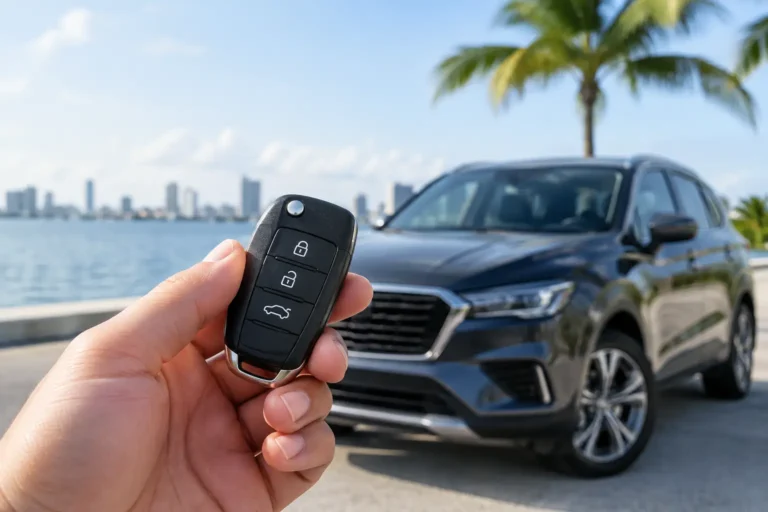
Your car remote usually gives you a warning before it quits. You may need to stand closer to the vehicle, press the button twice, or notice that lock and unlock commands work only sometimes. A car remote battery replacement is often a quick fix, but using the wrong battery, opening the case carelessly, or overlooking another problem can leave you with a fob that still will not work.
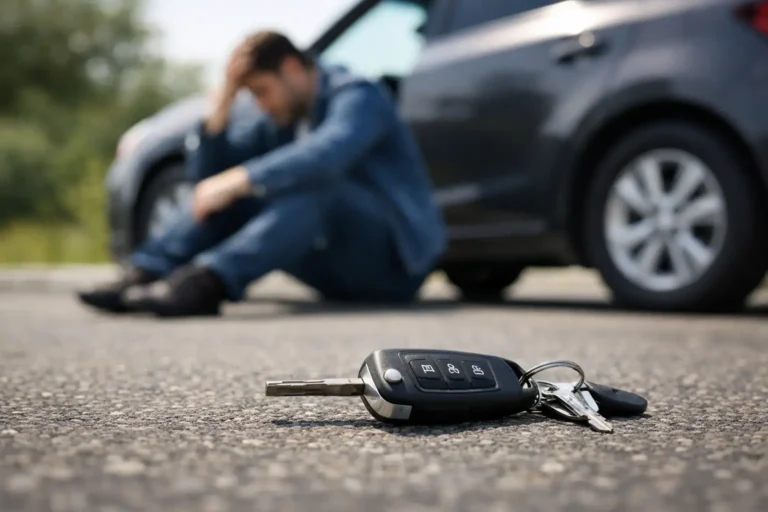
If you are stuck outside your vehicle, cannot start a push-button car, or your remote has been damaged, call a mobile automotive locksmith right away. A trained technician can come to you, check the fob, replace the battery when appropriate, and determine whether the real issue is the key, programming, or the vehicle itself.
Signs Your Car Remote Battery Is Getting Weak
A weak remote battery does not always fail all at once. Range is usually the first thing to change. If your fob once worked from across a parking lot but now only works when you are beside the driver door, the battery may be near the end of its life.
Intermittent performance is another common sign. The remote may lock the car but fail to unlock it, work in the morning but not later in the day, or require repeated button presses. Some vehicles also display a low key-fob battery message on the dashboard. Do not ignore that message, especially if your vehicle uses a proximity key for push-button starting.
There is one important exception: a dead battery is not the answer to every remote problem. If the remote was dropped, got wet, has cracked buttons, or stopped working immediately after a repair, the fob may need more than a new battery. Internal contacts, the circuit board, or the programming can be affected.
Find the Correct Battery Before Opening the Fob
Most car remotes use a small coin-cell battery, often a CR2032, CR2025, CR2016, or similar type. The numbers matter. These batteries can look almost identical while having different thicknesses and capacities. Installing the wrong one can prevent the case from closing correctly or cause unreliable contact inside the remote.
Check the owner’s manual first if you have it. Many fobs also show the battery type inside the case once opened. Match the number exactly, and choose a fresh, quality battery from a sealed package. An old battery sitting loose in a drawer may already be weak.
Before starting, work on a clean, dry surface with good lighting. You may need a small flat plastic pry tool or a tiny flat screwdriver. A metal screwdriver can work, but it can also scratch the remote housing or damage a delicate retaining clip if forced.
How to Handle Car Remote Battery Replacement Safely
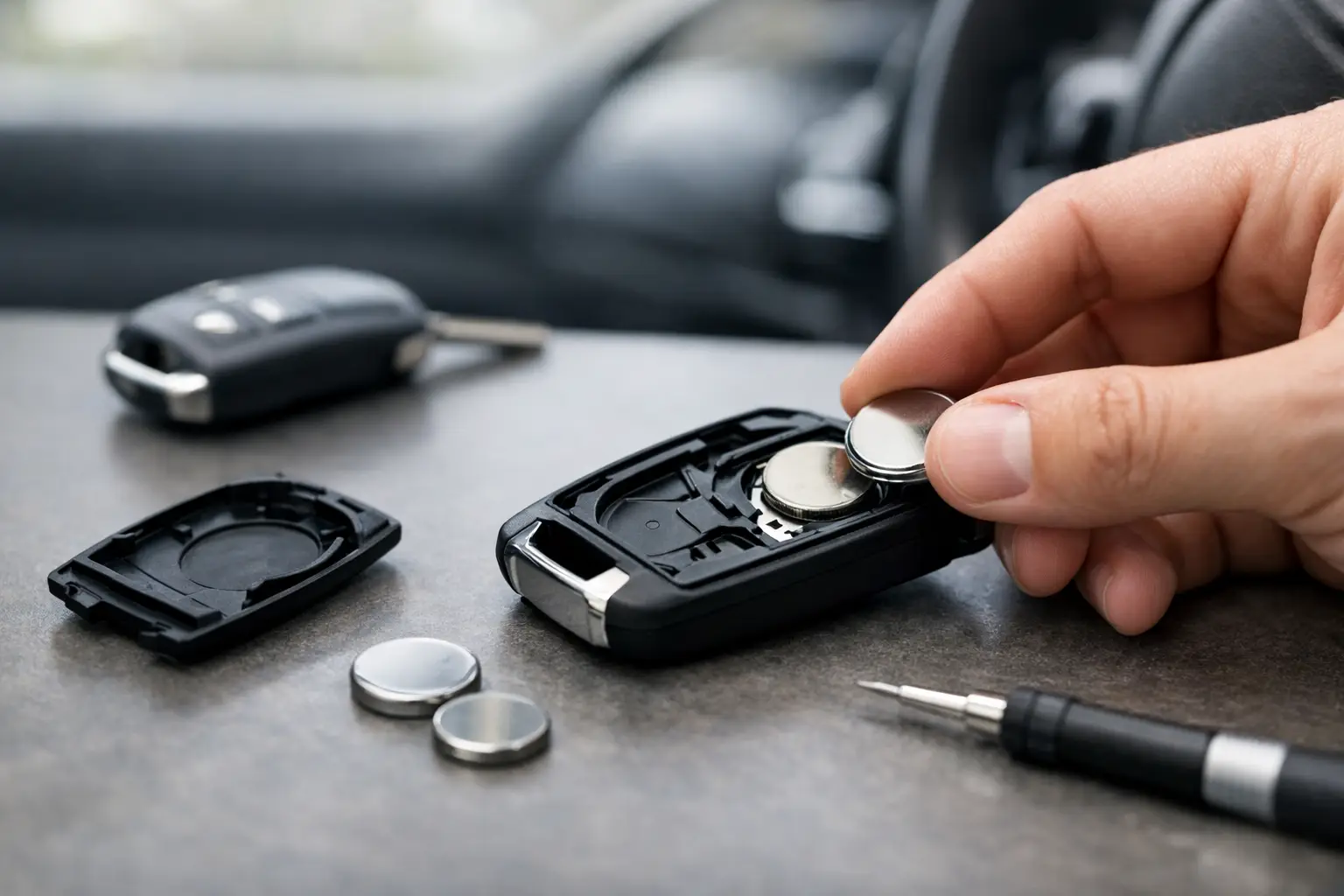
The right procedure depends on the make and model, but most standard key fobs follow the same basic pattern. First, remove the hidden emergency key if your remote has one. There is often a small release tab on the side or back of the fob. Pulling out that key may reveal the slot used to separate the two halves of the case.
Insert a plastic tool into the designated notch and gently twist. Do not pry randomly along the seam. Modern remotes have small clips that can break, and a damaged case may no longer protect the electronics from moisture. If the cover feels unusually tight, stop and look for another release point rather than applying more force.
Once open, pay attention to how the old battery sits in the holder. The positive side, marked with a plus sign, must face the same direction as the original. Avoid touching the new battery’s flat surfaces more than necessary. Finger oils usually will not ruin it, but clean handling helps prevent contamination and makes it easier to see the markings.
Remove the old battery gently. Do not bend the metal contact tabs or use excessive pressure. Slide the new battery into position, confirm it is fully seated, and snap the fob case back together evenly. Reinstall the emergency key, then test lock, unlock, trunk release, panic, and remote start functions if equipped.
Many vehicles do not need reprogramming after a battery change. The remote should work as soon as the battery is installed correctly. However, certain models can require a short reset procedure, and a weak vehicle battery can create symptoms that look like a failed key fob. That is why testing every function matters before assuming the job is finished.
What to Do If the New Battery Does Not Fix It
Start by checking the simple issues. Make sure the battery number is correct, the polarity is correct, and the battery is not upside down. Inspect the battery compartment for bent contacts, corrosion, dirt, or a loose holder. Even a brand-new coin cell cannot power the fob if it is not making solid contact.
If the remote still fails, try the spare key or fob if you have one. If the spare works, the problem is likely limited to the original remote. If neither remote works, the issue may be with the car battery, receiver, door-lock system, or another vehicle electrical component.
Push-button start vehicles can create extra stress when the fob battery dies. Many models have an emergency starting method, such as holding the fob against the start button or placing it in a specific backup reader location. The exact location varies by vehicle, so check your owner’s manual. Do not keep trying random methods until the car battery is drained.
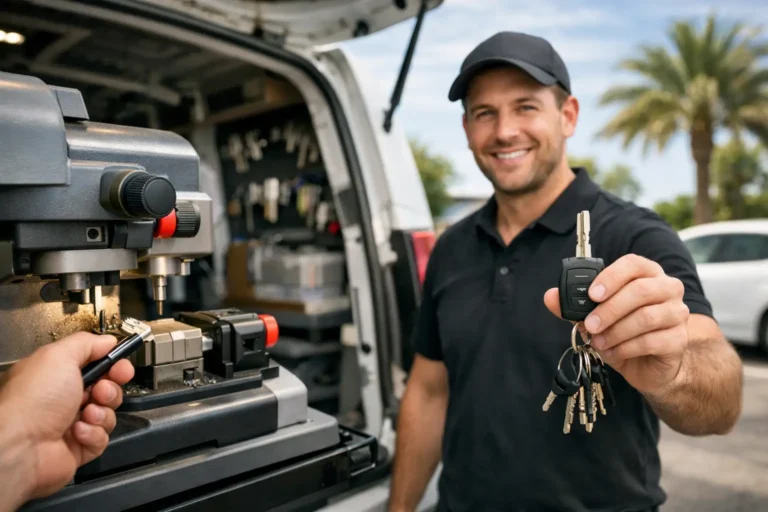
A locksmith can test the remote signal, inspect the fob for damage, repair or replace the shell when possible, cut an emergency key, and program a replacement remote when needed. For a lost, broken, water-damaged, or unresponsive key, professional service is usually faster and more reliable than guessing at a battery fix.
Do Not Let a Dead Fob Turn Into a Lockout
A weak fob battery is easy to postpone until it fails in the worst place: at work, in a parking garage, outside a store, or late at night. Replacing it when the first warning signs appear is cheaper and less stressful than dealing with an unexpected access problem.
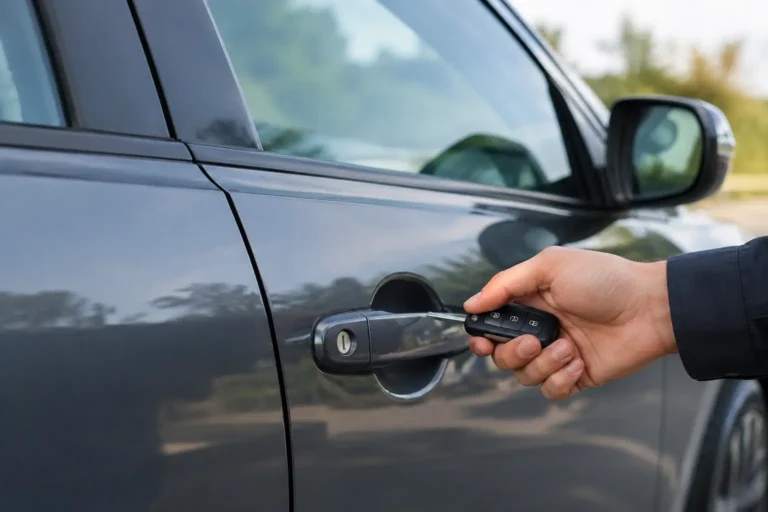
Keep the mechanical emergency key accessible and learn where it fits in your driver door. Some door keyholes are hidden behind a small cap on the handle. If you have never used that key, do not wait for an emergency to figure it out. Also remember that manually unlocking some vehicles can set off the alarm until the fob is recognized or the vehicle is started properly.
Coin-cell batteries are hazardous if swallowed. Keep new and used batteries away from children and pets, and dispose of old batteries through an appropriate battery recycling option. Do not leave them in cup holders, center consoles, or anywhere they can be mistaken for small objects.
When to Call a Mobile Locksmith
Call for help if you cannot get into the vehicle, the emergency key will not turn, the fob case is broken, the remote was exposed to water, or a new battery did not restore operation. These situations may involve a lock problem, key damage, or programming issue that a battery alone cannot solve.
Precise Locksmith LLC provides mobile automotive locksmith service for drivers in Miami-Dade, including Hialeah, Doral, Miami Lakes, and nearby areas. A technician can come to your location for key-fob diagnosis, battery-related key issues, remote programming, car key replacement, lockout service, and ignition concerns. If your car remote has stopped working and you need an answer now, request a quote or call for immediate assistance.
A fresh battery should make your remote dependable again, not create new questions. If it does not, get the fob checked before a small inconvenience becomes a stranded-car emergency.