Lost Only Car Key Example: What to Do Next
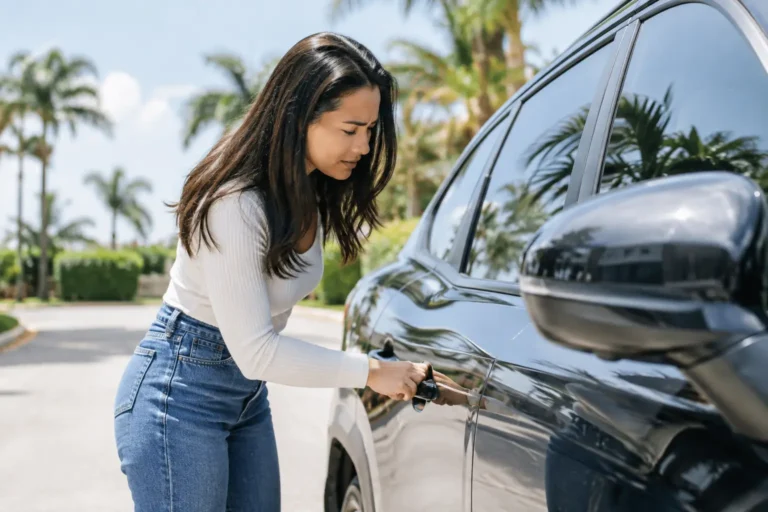
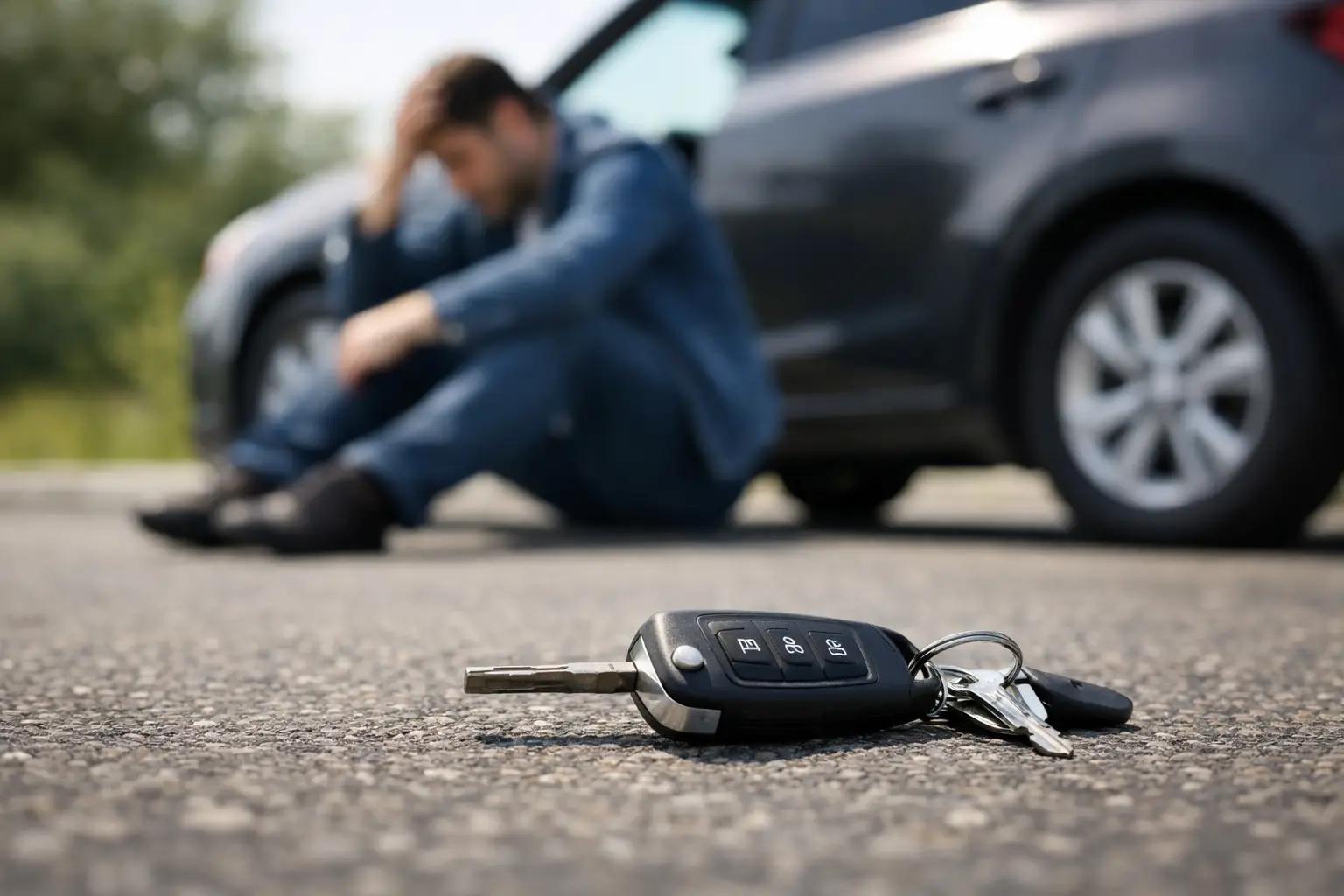
You finish a shift, step out of a restaurant, or return from the beach and reach for your keys. Your pocket is empty. There is no spare key at home, no friend holding another fob, and your car is sitting in a parking lot. This lost only car key example is stressful because it is more than a lockout: you need a completely new working key before you can drive away.
The good news is that losing your only car key does not automatically mean a tow truck, a dealership appointment, or days without your vehicle. A qualified mobile automotive locksmith can often come to your location, cut a new key, program it when needed, and test it before leaving. The exact process depends on the vehicle, but the first steps are usually simple.
What a lost only car key example looks like
Imagine you own a 2019 Toyota Camry with a push-button start. You leave your key fob at a store, then realize it is gone after the store has closed. Because the fob is your only key, you cannot unlock the doors normally or start the car. Even if a dealer can replace the fob, you may need to get the vehicle there and wait for programming.
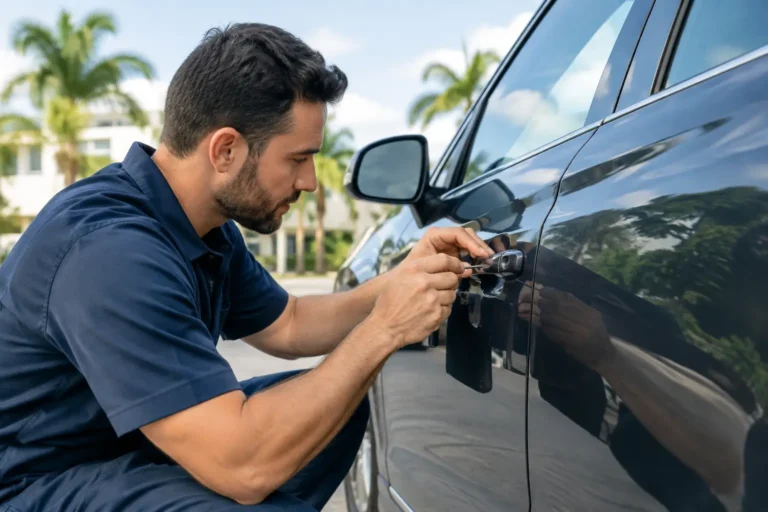
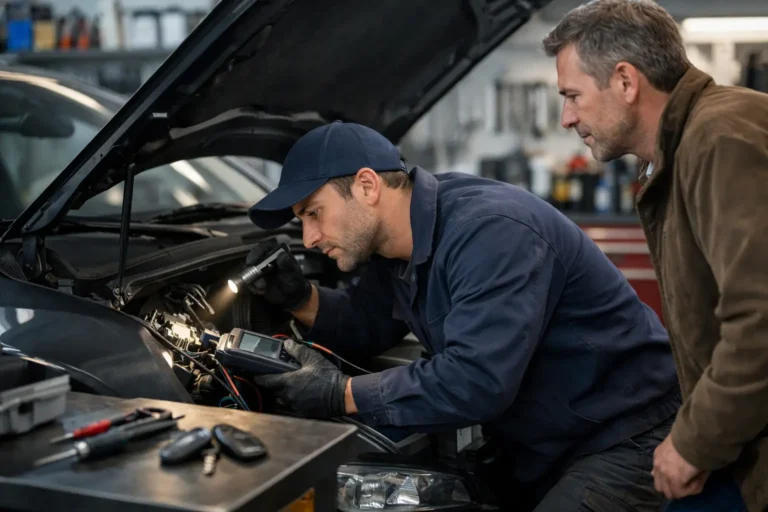
A mobile locksmith approaches the problem differently. After confirming you are the owner, the technician identifies the vehicle by its VIN, determines the correct key or fob type, cuts the emergency key blade if applicable, and programs a replacement fob to communicate with the vehicle. Before the job is complete, the technician checks door locks, remote functions, and starting operation.
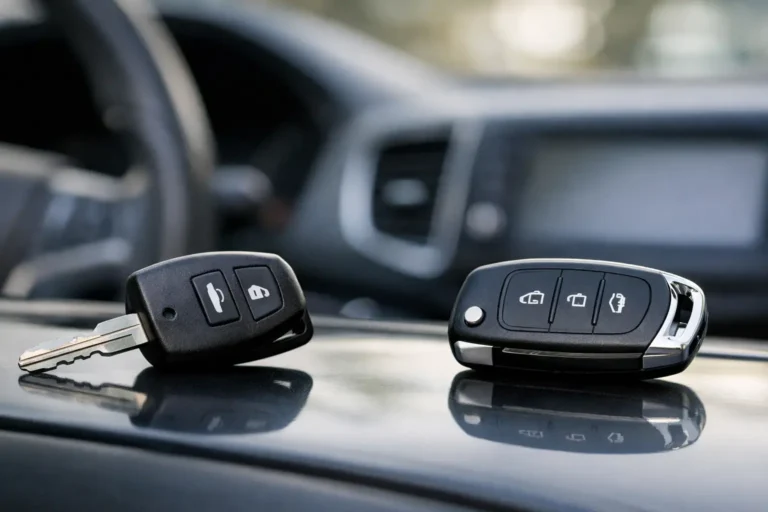
The same situation can happen with a traditional metal key, a transponder chip key, a remote-head key, or a smart proximity fob. The difference is the equipment and programming required. Older vehicles may need only a correctly cut key, while most modern vehicles require an electronic chip or fob programmed to the vehicle’s immobilizer system.
First, stay with the vehicle and protect your safety
If you are in a busy parking lot, on a roadside shoulder, or in an unfamiliar area, move to a safer, well-lit place if you can do so without leaving the vehicle unattended. If children, pets, medication, or immediate danger are involved, call emergency services first.
For a standard lost-key situation, stay close enough to provide access and ownership information when help arrives. Do not force the door open with a coat hanger, screwdriver, or online trick. Those methods can bend the door frame, damage weather stripping, break a lock, or trigger a much more expensive repair.
If you believe the key was stolen rather than simply misplaced, tell the locksmith. In many cases, old lost keys can be removed from the vehicle’s memory during programming. That extra step can prevent the missing fob from starting the car later. Whether it is possible depends on the make, model, and security system.
Gather the information a mobile locksmith needs
A replacement key cannot be made responsibly without verifying the vehicle and the person requesting service. Have your driver’s license available along with vehicle registration, insurance, or another document that connects you to the car. If those documents are locked inside, explain that when you call. A professional can discuss the proper verification steps for that situation.
You should also provide the year, make, model, and location of the vehicle. A VIN is especially helpful. It is commonly visible through the windshield on the driver’s side of the dashboard, but a technician can often help locate it if needed.
Details matter because a 2016 Honda key may use a different chip and programming method than a 2022 Honda smart key. Mention whether your car has a physical ignition, push-button start, a remote fob, or a key that was damaged before it disappeared. Clear information helps the technician arrive with the right key blank, fob, cutting equipment, and diagnostic tools.
Why a new key is not always just a key
Many drivers expect a locksmith to copy the shape of a metal key and finish the job. That works only for some vehicles. Most cars built in the last two decades use anti-theft technology that requires more than a physical key cut.
A transponder key contains a chip that must match the car’s immobilizer system. A remote key may need programming for lock and trunk buttons. A smart key fob must be paired with the vehicle so the car recognizes it inside the cabin and allows push-button starting.
This is why pricing and timing can vary. A basic mechanical key is usually more straightforward than a high-security laser-cut key or a proximity fob for a newer luxury vehicle. The vehicle’s condition also matters. A weak car battery, damaged ignition, aftermarket alarm, or previous key programming issue can add diagnosis time.
A reliable locksmith should explain what your vehicle requires before work begins. Ask what is included in the quote: the key or fob, cutting, programming, service call, and testing. Straight answers help you avoid surprises when you are already dealing with an urgent problem.
Mobile locksmith service versus the dealership
A dealership can be the right choice in certain cases, especially when a vehicle needs manufacturer-specific software, warranty work, or an uncommon key component that is not locally available. But it is not always the fastest option when you are stranded.
With a dealership, you may need to arrange a tow because you cannot drive without a key. Then there may be an appointment, parts order, and programming wait. A mobile automotive locksmith can often complete the work where the car is parked, saving the time and cost of moving the vehicle.
It depends on the make, model, and key type. Not every locksmith can service every vehicle, and not every replacement is available immediately. However, an experienced mobile provider will tell you plainly what can be done on-site, how long it may take, and what the next option is if a specialty key must be ordered.
What happens when the locksmith arrives
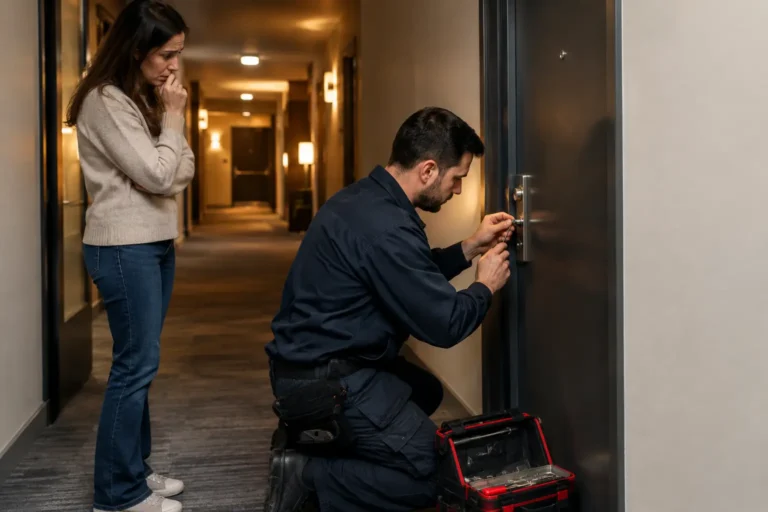
The process should feel organized, not rushed. The technician verifies ownership, confirms the vehicle details, and assesses the key system. For an accessible vehicle, they may unlock the door without damage to inspect the ignition, existing key information, or battery condition.
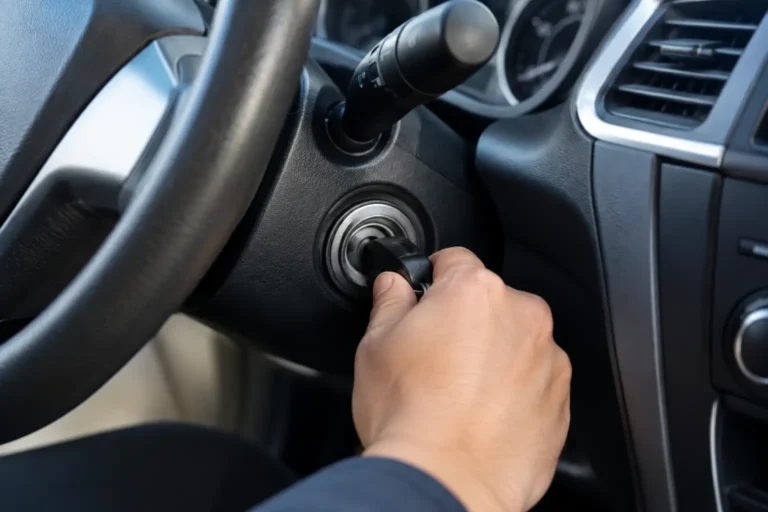
Next comes key generation. Depending on the vehicle, this can involve decoding a lock, using VIN-based information through authorized sources, cutting a high-security key, or preparing the correct remote or fob. The technician then programs the transponder or smart key to the vehicle when electronic pairing is required.
Testing is the part customers should not skip. The new key should lock and unlock the doors, start the engine, and operate remote functions that apply to your vehicle. For push-button start models, the technician should confirm the car detects the fob consistently. If a physical key turns roughly in the ignition or door lock, say so before the technician leaves.
How to reduce the chance of another emergency
Once you have paid for one replacement, getting a second working key is usually the smart move. It is often easier and less costly to duplicate a functioning key than to start from zero after another loss. Keep the spare somewhere secure but separate from the vehicle. Leaving it in the glove box does not solve a lockout.
For smart fobs, replace the battery when the vehicle starts showing weak-signal warnings or requires multiple button presses. A dead fob battery is not the same as a lost key, but it can create the same frustrating moment in a parking lot. Also avoid heavy keychains on traditional ignition keys, since extra weight can contribute to ignition wear over time.
Save a trusted mobile locksmith’s number before you need it. When the problem happens at night, during a storm, or before work, you do not want to spend an hour sorting through uncertain options. Precise Locksmith LLC provides mobile automotive locksmith help in Hialeah, Doral, Miami Lakes, and nearby Miami-Dade areas for drivers who need a key made where the car is located.
When you need help now
A lost only car key situation is urgent, but it is fixable. Have your ID, vehicle details, and exact location ready, then request service from a licensed and insured automotive locksmith equipped to handle your vehicle type. Ask for a clear quote and confirm whether key cutting, programming, and testing are included.
The fastest path back on the road is usually calm, verified service at the vehicle – with a properly cut and programmed key that works before the technician leaves.