Smart Keys Failing? Fast Steps for Miami Drivers
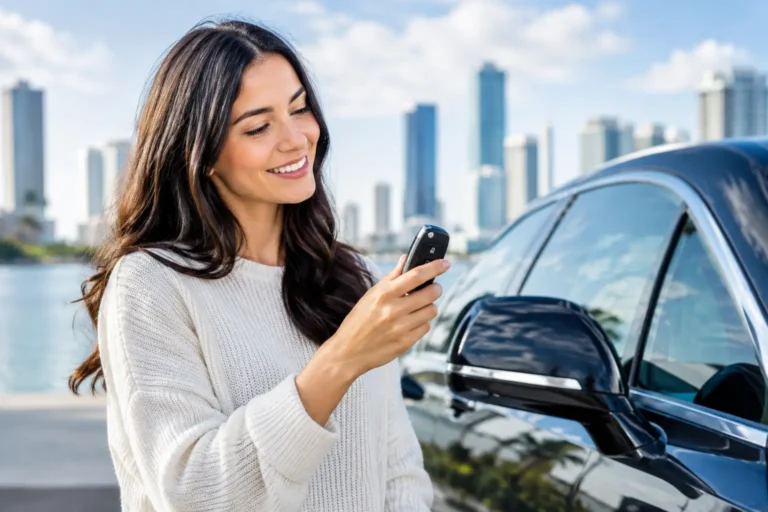
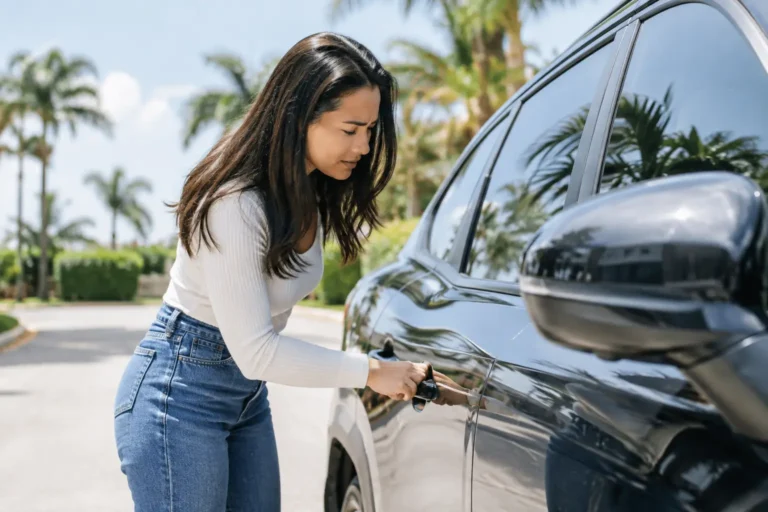
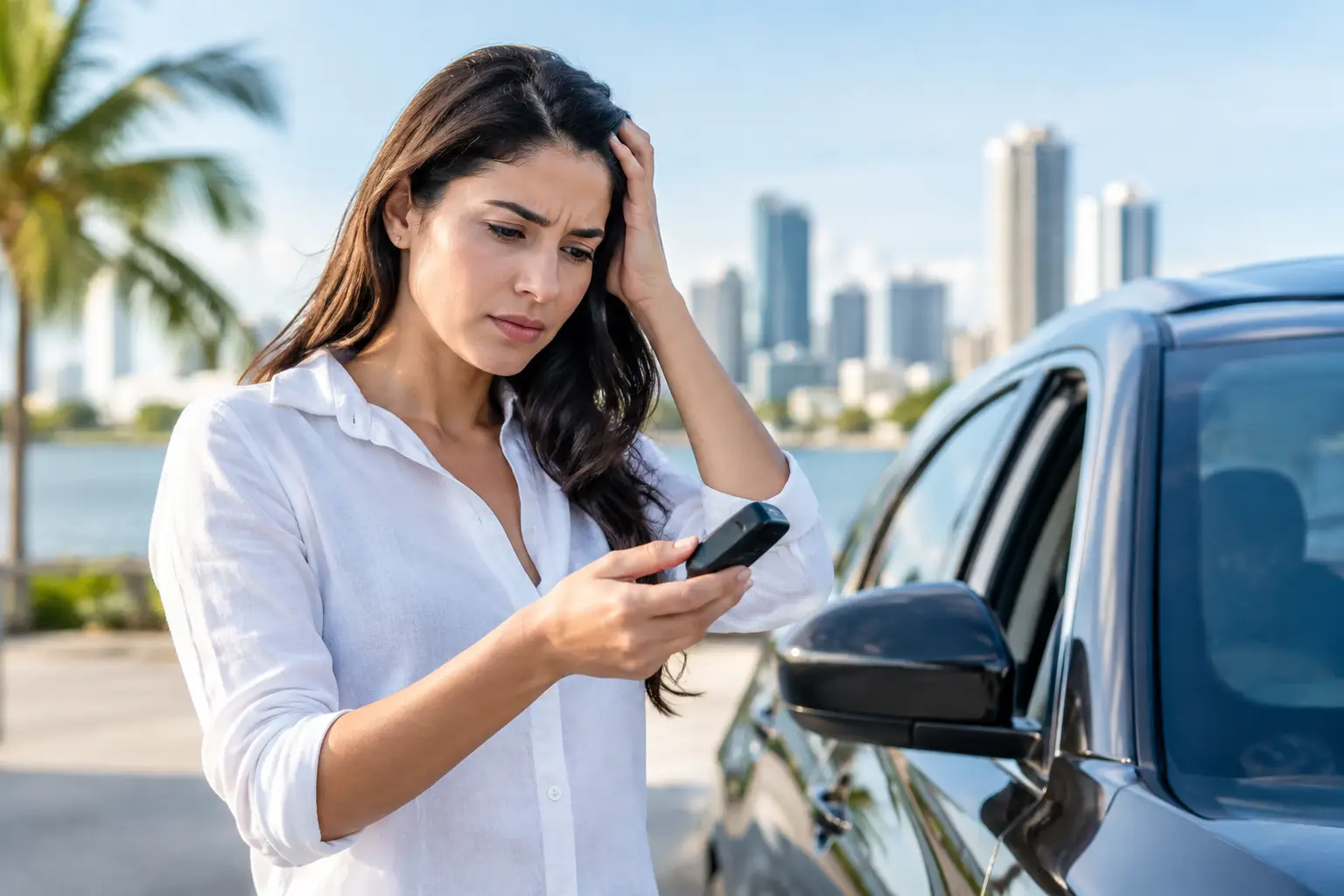
A smart key that suddenly stops responding can turn a normal stop for gas, work, or school pickup into a stressful delay. Smart keys are convenient when they work, but a dead fob battery, damaged remote, lost key, or programming issue can leave you standing outside your car or unable to start it. The good news is that many of these problems have a clear solution, and mobile automotive locksmith help can come to you.
What Smart Keys Actually Do
A smart key is more than a remote that locks and opens your doors. Most modern smart keys communicate with your vehicle through a programmed chip and a proximity system. When the key fob is nearby, your vehicle recognizes it and allows push-button starting. Depending on the make and model, it may also let you open doors by touching the handle, open the trunk, or use remote start functions.
That convenience depends on several parts working together: the fob battery, the key’s internal circuit board, the vehicle battery, the antennas in the car, and the programming that pairs the key to that specific vehicle. A problem in any one of those areas can make it seem like the key has completely failed.
Not every keyless fob is a true smart key. Some remotes only control door locks, while a separate transponder chip allows the vehicle to start. The difference matters because the repair process, programming method, and replacement cost can vary by vehicle.
The Most Common Smart Key Problems
The simplest issue is a weak or dead key fob battery. You may notice the remote works only when you stand close to the vehicle, works intermittently, or stops working without warning. Replacing the battery may solve the problem, but use the correct battery type and install it carefully. A battery installed backward will not restore function.
Physical damage is another common issue. Fobs get dropped in parking lots, stepped on, soaked in rain, left in hot cars, or crushed in bags and pockets. A cracked case may look minor, but it can loosen the battery contacts or damage the circuit board inside. If the buttons feel soft, stick, or do nothing, the fob may need repair or replacement.
A vehicle battery issue can also look like a key issue. If your interior lights are dim, the dashboard does not power on, or the vehicle will not respond to any remote, the car battery may be too weak to recognize the key properly. In that case, replacing or programming the fob will not fix the real problem.
Programming problems happen after a fob replacement, an electrical repair, a vehicle battery change, or an attempt to use an incompatible aftermarket key. Some vehicles require a specific procedure and professional diagnostic equipment to add a new key. Others may reject a key that looks identical but has the wrong frequency, chip, or board number.
What to Try Before Calling for Help
Start by checking the obvious without forcing anything. If you have a spare smart key, try it. If the spare works, the vehicle is likely fine and the issue is with the original fob. If neither key works, look for signs of a weak car battery or a vehicle-side electrical problem.
Next, use the emergency mechanical key hidden inside most smart fobs. It usually slides or releases from the side of the remote. This key can open the driver door when the remote battery is dead. Do not force the key into a lock if it does not turn easily. Older or rarely used door locks can stick, and excessive force can break the key or damage the lock cylinder.
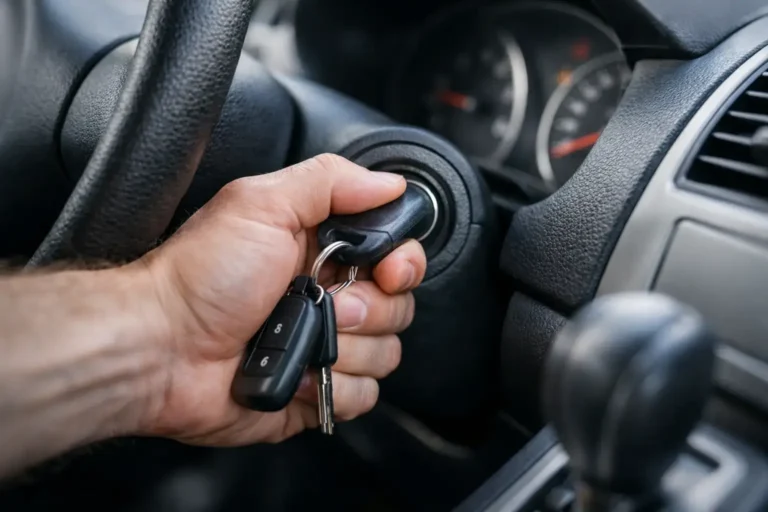
Many push-button vehicles also have an emergency start method. Often, you can hold the fob directly against the start button or place it in a designated backup slot while pressing the brake and starting the vehicle. The exact location depends on the make and model. Check the owner’s manual if it is available.
If you recently replaced the fob battery and the key still does not work, inspect the battery contacts and make sure the cover is fully closed. Avoid repeatedly pressing every button or trying random programming instructions online. That can waste time, and some procedures are incorrect for your vehicle.
When You Need a Mobile Locksmith for Smart Keys
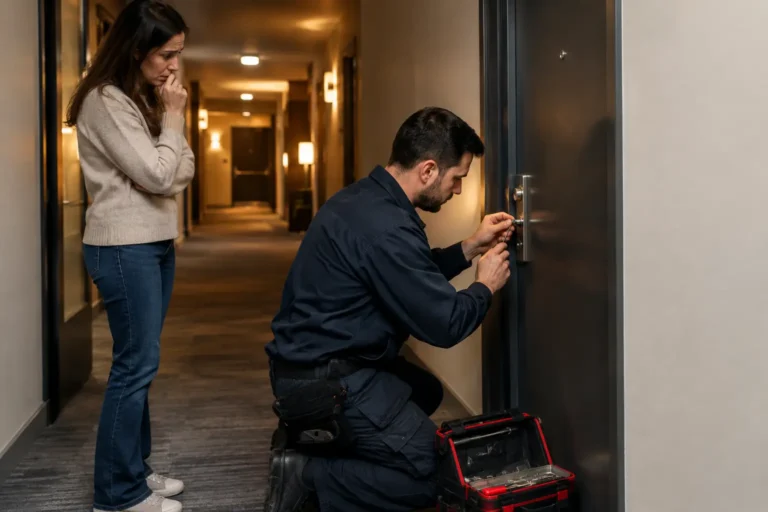
Call a professional automotive locksmith when the key is lost, broken, water-damaged, unresponsive after a battery change, or no longer recognized by the vehicle. You also need help when you have no working spare, are locked out, or need a replacement key programmed at your location.
A qualified mobile locksmith can identify the correct key type, cut the emergency blade when required, program the transponder or proximity fob, and test the functions before leaving. For many vehicles, this can be completed where the car is parked rather than towing it to a dealership or waiting days for an appointment.
Precise Locksmith LLC provides mobile automotive locksmith service for drivers in Hialeah, Doral, Miami Lakes, Miami Gardens, Opa-Locka, and nearby Miami-Dade areas. If your smart key fails at home, work, a shopping center, or a parking garage, the goal is to get you back into your vehicle and moving again with as little delay as possible.
Why the Right Replacement Key Matters
A smart key replacement is not one-size-fits-all. Two fobs can look nearly identical but use different frequencies, chips, and programming systems. Buying a low-cost remote without checking compatibility can create more frustration when it cannot be programmed to your car.
The vehicle year, make, model, trim, and key system all affect what is needed. Some keys require only basic programming. Others require advanced diagnostic tools, security access, or additional steps after all working keys have been lost. Luxury models and newer vehicles may have more complex anti-theft systems, which is one reason an accurate quote depends on the vehicle details.
A professional should also test the finished key, not just start the engine. Door functions, trunk access, panic button response, proximity recognition, and remote start features should be checked when applicable. A key that starts the car but does not perform the functions you rely on is not a complete solution.
Lost Smart Key? Act Quickly
If your smart key is lost, first check whether you have a spare. If not, avoid leaving the vehicle in an unsecured location for longer than necessary. A lost key can be more than an inconvenience, especially if it was dropped near your home, workplace, or vehicle.
When a replacement is programmed, ask whether the missing key can be removed from the vehicle’s memory. In many cases, deleting the lost key helps prevent it from starting the vehicle later. The available options depend on the vehicle’s system, but it is worth addressing rather than treating the replacement as the only step.
Have the vehicle identification number, registration, and photo ID ready when requesting service. Those details help confirm ownership and allow the technician to identify the correct key solution faster. If you are stranded or locked out, call now and explain the vehicle year, make, model, and what the key is doing. Clear details help get the right help dispatched without unnecessary delays.
A working smart key is easy to take for granted until the moment it fails. Keep a spare key in a safe place, replace weak fob batteries early, and do not wait for a small problem to become a roadside emergency. If your key has already stopped responding, professional on-site help can save you time, stress, and a trip you did not plan for.