Complete Guide to Car Key Programming Basics
Your key can look perfect, turn in the ignition, and still leave you stranded. That is because many modern vehicles will only start when the vehicle recognizes the chip or fob inside the key. This complete guide to car key programming explains what that process does, when you need it, and when calling a mobile automotive locksmith is the faster, safer choice.
What Car Key Programming Actually Does
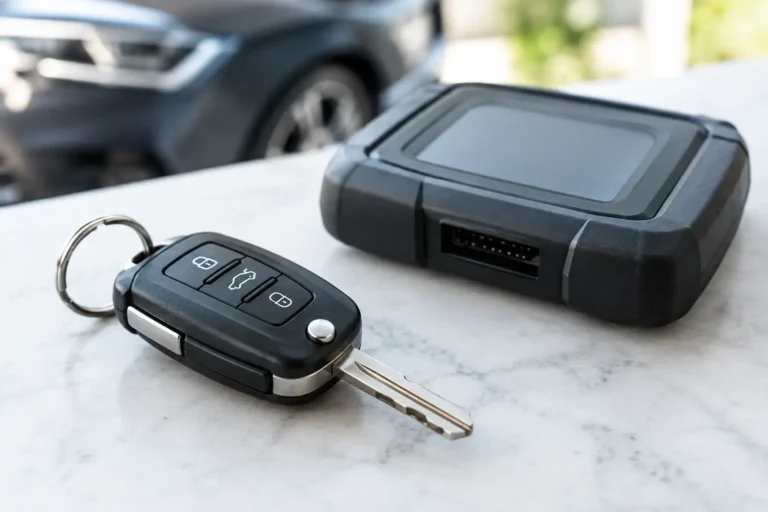
Car key programming pairs a key, transponder chip, remote, or smart fob with your vehicle’s security system. The car reads an electronic identifier from the key. If that identifier is recognized, the immobilizer allows the engine to start. If it is not recognized, the vehicle may crank without starting, display a security warning, or do nothing at all.
Programming is different from key cutting. Cutting shapes the metal blade so it can turn the door lock or ignition. Programming handles the electronic authorization. Many keys need both services. A newly cut key without proper programming may open the door but will not start the car.
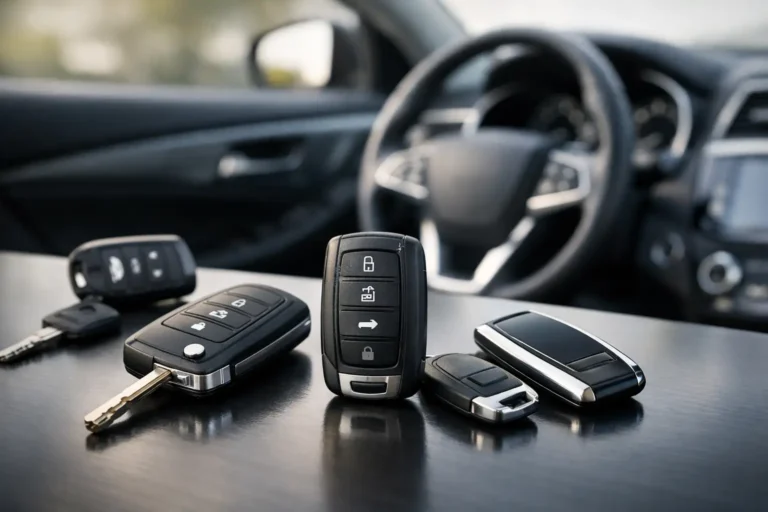
The exact procedure depends on the year, make, model, and key system. Some older vehicles use a basic transponder key. Newer cars may use proximity smart keys, push-button start fobs, remote head keys, or high-security laser-cut keys. These systems require different tools, software, and security steps.
When You Need Car Key Programming
You do not need programming every time a car key is replaced, but it is common in several situations. If you have lost your only key, the replacement must usually be cut and programmed before you can drive. The same applies when you buy an extra key or fob for a spouse, teen driver, or employee.
Programming may also be necessary after a damaged key chip, failed remote, water exposure, or a dead smart-key battery that has caused ongoing issues. A battery replacement alone normally does not erase programming, but a fob that still does not respond may have a separate problem with the circuit board, buttons, antenna, or vehicle receiver.
There is another reason to act quickly after a lost or stolen key. A professional can often erase missing keys from the vehicle’s memory while adding the replacement. That means the old key may no longer start the vehicle if someone finds it. Whether this is possible and advisable depends on the vehicle, but it is a valuable security step.
Types of Keys That May Need Programming
Transponder keys
A transponder key has a small chip in the plastic head. It does not need a battery to communicate with the immobilizer. If the chip is missing, cracked, or not programmed to the vehicle, the engine may be disabled even though the key turns normally.
Remote head keys and key fobs
These combine a metal key blade with remote lock, trunk, panic, and sometimes remote-start buttons. The vehicle may require separate programming for the transponder that starts the car and the remote functions that control the doors.
Smart keys and proximity fobs
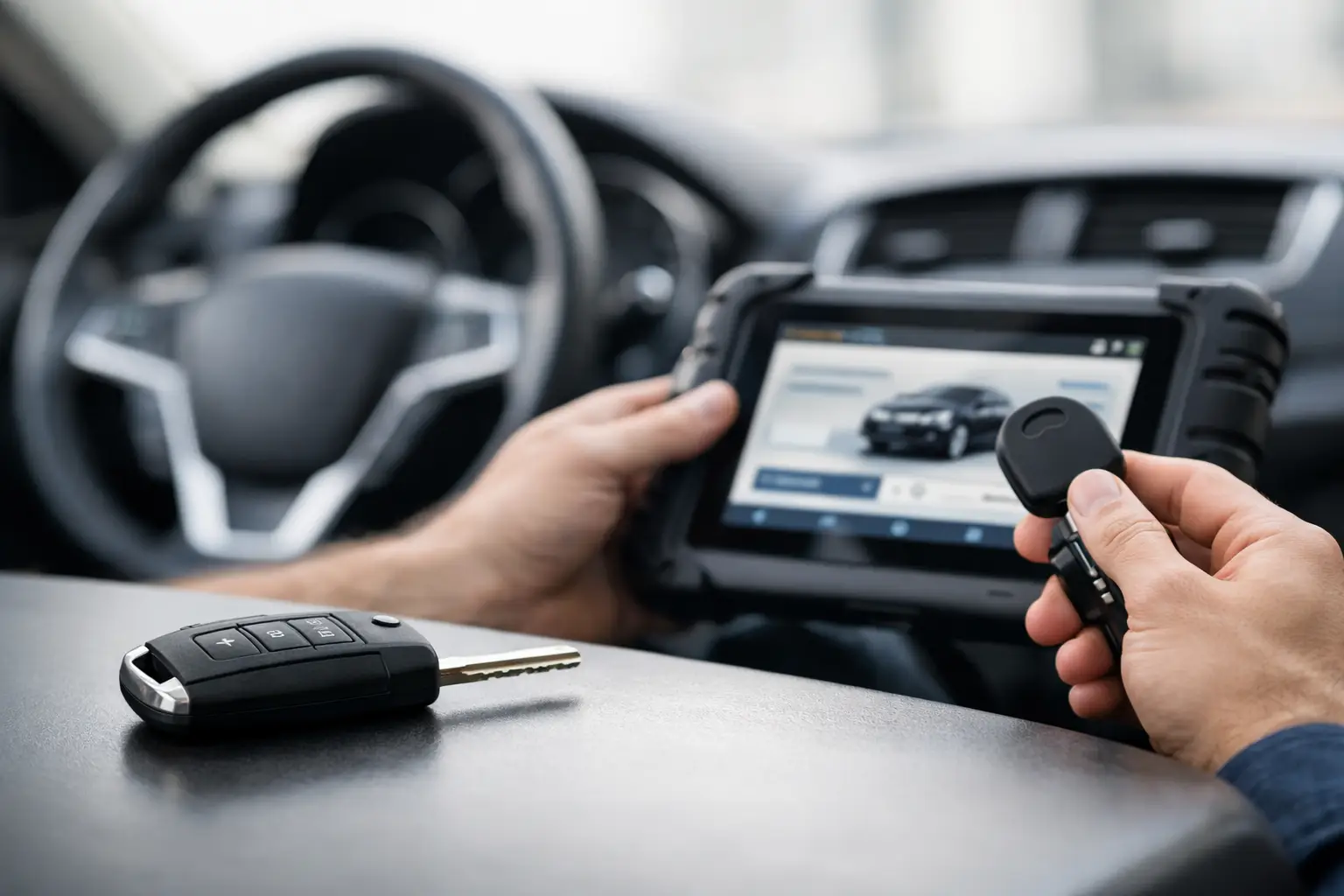
Push-button-start vehicles typically use a proximity fob. The car detects the fob when it is inside the cabin, allowing the driver to start the engine without inserting a blade into an ignition. Smart-key programming is often more involved and may require access to the vehicle’s security system through professional diagnostic equipment.
Flip keys and high-security keys
Flip keys fold the blade into the remote housing. High-security keys have milled grooves rather than traditional edge cuts. Both can require precision cutting as well as electronic programming. The key’s appearance is not enough to determine what it needs, so the vehicle details matter.
What Information a Locksmith Needs Before Starting
A qualified automotive locksmith can usually identify the correct path before arriving if you provide a few details: the vehicle year, make, model, whether it has a turn-key ignition or push-button start, and whether any working key is still available. A photo of the existing key or fob can help, but it does not replace the vehicle information.
You should also be prepared to show proof that you own or are authorized to use the vehicle. This protects you, the vehicle owner, and the technician. For a lockout or lost-key situation, registration, insurance documents, a driver’s license, or other reasonable ownership documentation may be requested.
If the key is broken, say where it broke. A snapped blade in the ignition is a different service from a key that simply will not start the car. Forcing a damaged key can harm the ignition cylinder and turn a manageable key problem into an ignition repair.
Can You Program a Car Key Yourself?
Sometimes, but only under the right conditions. A few older vehicles allow owners to add a key using an existing programmed key and a specific sequence of ignition cycles. This can be useful when the instructions are confirmed for your exact vehicle and you already have the required working keys.
The trade-off is that DIY programming is easy to get wrong. Online instructions are often incomplete, apply to a different trim level, or skip the need for a correctly cut and compatible chip. A cheap replacement fob may look identical while using the wrong frequency, chip type, or board configuration. Some vehicles require two existing working keys, a security PIN, or professional scan tools before any new key can be added.
Do not repeatedly try random programming sequences if the car is not responding. On certain vehicles, failed attempts can create a security lockout period or drain the battery while the ignition is left on. If you only have one key, have no working key, or need a push-button-start fob, professional on-site programming is usually the more practical option.
Why the Right Key Matters as Much as Programming
A key can fail even when the programming procedure is completed correctly. The replacement must match the vehicle’s electronic system and, when applicable, the correct blade profile. Details such as frequency, transponder generation, button layout, emergency blade style, and proximity system all matter.
Used fobs are another common source of trouble. Some can be reused on certain vehicles, while others are locked to the original car after programming and cannot be reliably transferred. A technician should verify compatibility before you spend money on a key that may not work.
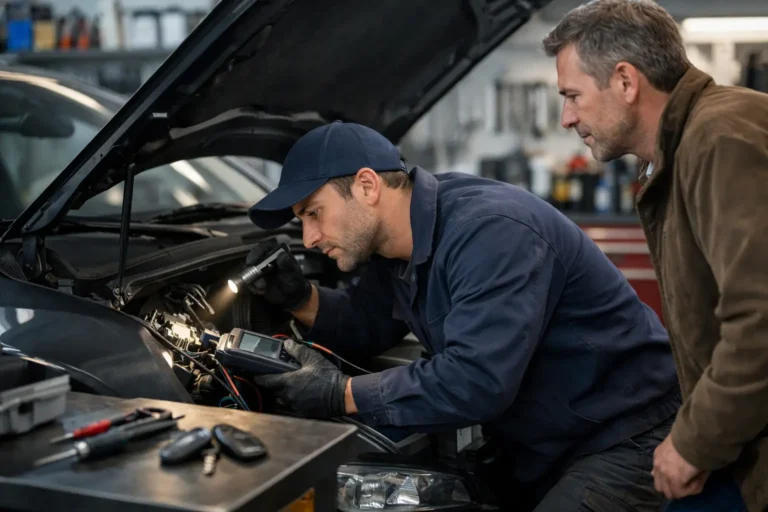
Professional equipment also allows the technician to test the result. The job is not finished when the key starts the engine once. The remote buttons, door access, trunk release, panic function, proximity detection, and emergency blade should be checked when those features apply. Testing at your location helps catch a problem before you are left dealing with it later.
What to Expect From Mobile Car Key Programming
Mobile service is designed for the situations where driving to a shop is impossible or inconvenient. The technician comes to the vehicle with cutting equipment, programmer tools, compatible key inventory, and diagnostic capability. After verifying ownership and identifying the correct key system, they can cut the blade if needed, program the key or fob, and test it on-site.
Timing and cost depend on the vehicle and the situation. A duplicate for a common transponder key is usually simpler than replacing all keys for a late-model smart-key vehicle. Vehicles with advanced security systems, damaged ignitions, aftermarket alarms, or a weak vehicle battery can take more diagnosis. A clear quote should reflect the key type, programming requirements, and any additional repair needed.
For drivers in Miami-Dade, Hialeah, Doral, Miami Lakes, and nearby areas, an on-location locksmith can save the towing cost and delay that often come with a no-start key problem. Precise Locksmith LLC provides mobile automotive key service for drivers who need a replacement, duplicate, repair, or emergency help where the vehicle is parked.
Common Problems That Are Not Programming Failures
It is easy to blame programming when a key does not work, but the cause may be mechanical or electrical. A worn ignition cylinder can prevent a correctly cut key from turning. A weak car battery can stop a smart-key system from responding. A broken fob button, damaged antenna, corroded circuit board, or faulty door-lock actuator can also mimic a key problem.
If the engine starts but the remote does not lock the doors, the transponder may be programmed while the remote functions are not. If the remote works but the engine will not start, the chip or immobilizer authorization may be the issue. These distinctions help the technician diagnose the actual problem instead of replacing parts unnecessarily.
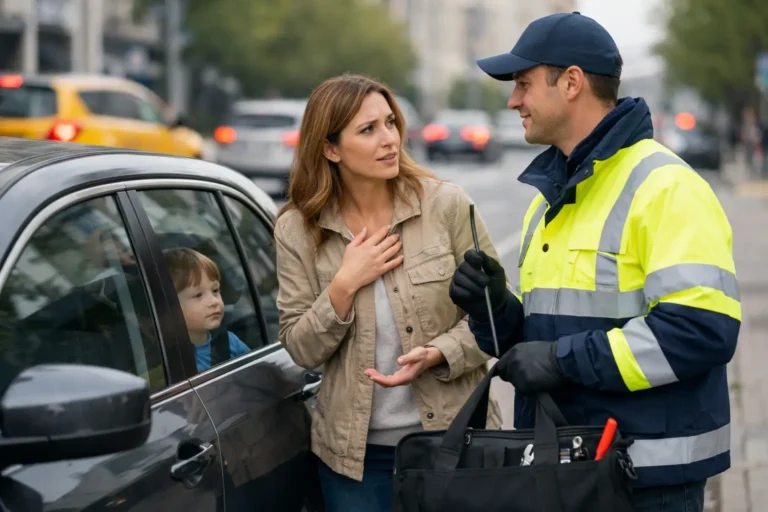
Keep a spare programmed key before an emergency happens. If you are already locked out, have lost your only key, or your fob has stopped responding, call for professional help before forcing the lock, prying open a door, or risking damage to the ignition.