Why Key Fobs Fail When You Need Them Most
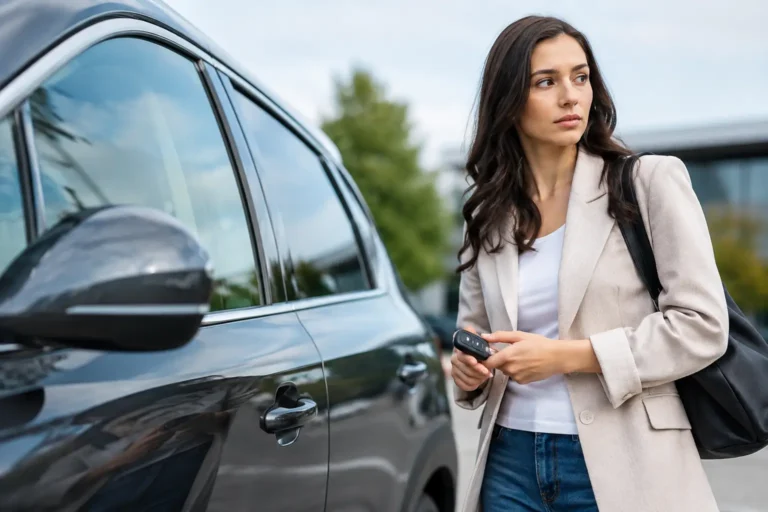
Your key fob worked in the morning, and now you are standing outside your car after work with no response. That is exactly why key fobs fail at the worst possible time: small issues can build quietly until the remote stops communicating with the vehicle. The good news is that many fob problems have a clear cause, and the right diagnosis can save you from wasting money on the wrong repair.
For drivers, the urgent question is simple: Is the fob the problem, is the vehicle the problem, or do you need a replacement programmed on-site? Knowing the difference matters, especially when you are stuck away from home, late for work, or unable to start your vehicle.
Why Key Fobs Fail: The Most Common Causes
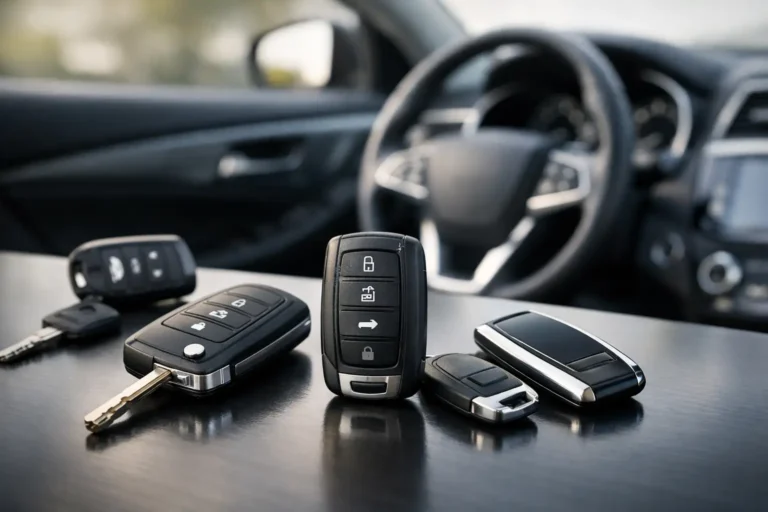
A key fob is more than a small remote. Depending on the vehicle, it may contain a battery, buttons, a circuit board, a radio transmitter, a transponder chip, and sometimes a hidden emergency key. Any one of those parts can fail. With push-button-start vehicles, the fob also has to communicate properly with the vehicle’s anti-theft system before the engine will start.
A weak or dead fob battery
The battery is the first thing to check because it is the most common issue and usually the least expensive one to solve. Signs include having to stand closer to the car, pressing buttons repeatedly, inconsistent operation, or no response at all.
South Florida heat can shorten battery life, especially if the fob stays in a hot vehicle, center console, or direct sun. A battery can also appear new but fail if it is the wrong size, installed backward, or making poor contact with the battery terminals.
Replacing the battery may restore the buttons immediately. However, if a fresh battery does not help, do not assume the fob needs programming. The problem may be physical damage or a vehicle-side issue.
Worn buttons or internal circuit damage
Key fobs take a beating. They fall on concrete, get squeezed in pockets, sit under heavy items, and collect dirt around the buttons. Over time, the rubber button pad can wear down or separate from the internal contacts. You may notice that one function works while another does not, such as the trunk button responding but the door buttons doing nothing.
A hard drop can crack solder points or damage the circuit board even when the outer case looks fine. A loose case can also let the battery shift out of position. If the fob only works when you press a button at a certain angle or squeeze the housing, internal damage is likely.
Water and moisture exposure
Rain, spilled drinks, washing-machine accidents, and damp pockets can all damage a key fob. Moisture may cause corrosion on the circuit board or battery contacts. The fob might work for a short time after getting wet, then fail later as corrosion spreads.
Do not keep pressing buttons on a wet fob. Remove the battery if you can do so safely, dry the outside, and have the fob inspected. Heat from a hair dryer can warp plastic parts or push moisture deeper into the unit, so it is not always the best fix.
Signal interference or limited range
Sometimes the fob is fine, but the signal is being blocked or disrupted. Parking garages, large buildings, busy lots, electronic equipment, and certain security systems can interfere with keyless-entry signals. Try moving the vehicle a short distance or using the fob from a different position.
Low battery power can also reduce range before the fob stops working completely. If the remote works only when held directly next to the driver’s door or start button, the battery or transmitter may be weak.
The fob is no longer programmed to the car
A replacement key fob must usually be programmed to the specific vehicle. Simply buying a remote that looks the same does not guarantee it will work. It must have the correct frequency, compatible electronics, and the proper programming procedure for that make, model, and year.
Programming problems can also occur after an attempted DIY setup, a damaged fob, certain vehicle battery issues, or an anti-theft system fault. Most battery changes do not erase fob programming, but every vehicle is different. A professional can test whether the fob is transmitting and whether the car is recognizing its security signal before recommending a new key.
The problem may be in the vehicle, not the fob
If two working fobs stop responding, the issue is less likely to be a single bad remote. The vehicle may have a weak car battery, a blown fuse, a faulty receiver, damaged door-lock wiring, or a problem with the body control module.
This distinction is especially important when the fob opens the doors but the car will not start, or when the engine starts but the remote functions do not respond. The key, ignition system, door locks, and anti-theft components are connected in different ways. A quick diagnosis prevents replacing a fob when the actual repair is elsewhere.
What to Do When Your Key Fob Stops Working
Before assuming you need a new key, take a few practical steps. These checks can help narrow down the issue without causing more damage:
- Try your spare fob, if you have one. If the spare works, the original fob is the likely problem.
- Check whether any buttons respond, including the trunk or panic button. Partial function can point to worn buttons or internal damage.
- Replace the battery with the exact battery type recommended for your fob and confirm the positive and negative sides are positioned correctly.
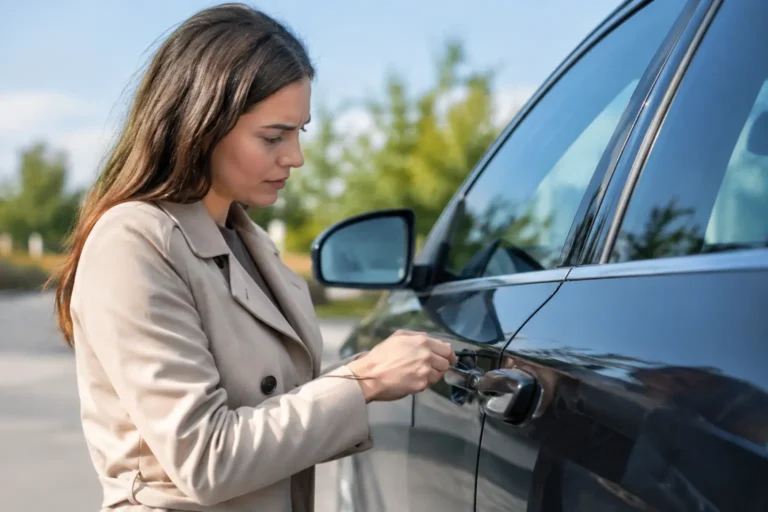
- Use the hidden mechanical key, if equipped, to enter the vehicle. Many smart fobs contain one inside the case.
- Look for vehicle warning signs, such as dim lights, slow cranking, or multiple electrical issues, which may indicate a weak car battery instead.
Avoid forcing the fob open with sharp tools or buying an unverified replacement just because it is inexpensive. A poorly matched remote can create more delay, and some vehicles require specialized equipment to add a key correctly. The cheapest option is not always affordable if it still leaves you stranded.
When You Need a Mobile Automotive Locksmith
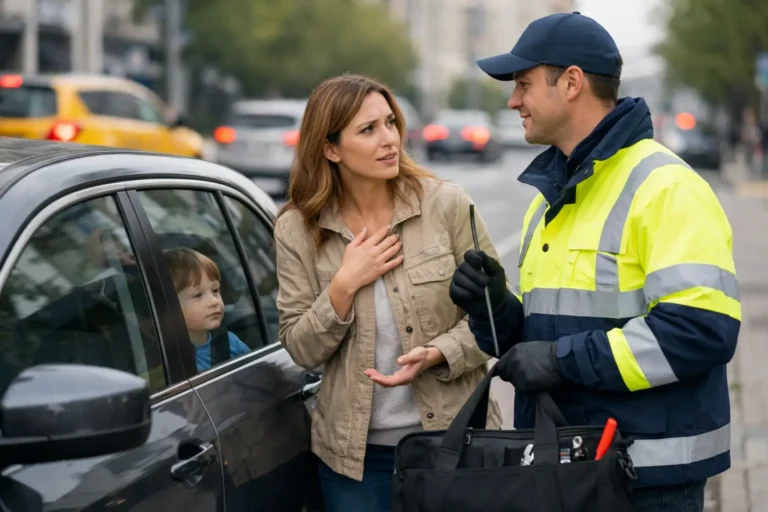
If the battery replacement does not work, you lost the fob, the case is broken, or your car will not recognize the key, mobile help can be the fastest route back on the road. A qualified automotive locksmith can inspect the fob, cut an emergency key when needed, provide a compatible replacement, and program it at your location.
That matters when your vehicle is parked at work, outside your apartment, at a shopping center, or in a place where getting it to a dealership is difficult. Precise Locksmith LLC provides mobile automotive locksmith service for drivers in Hialeah, Doral, Miami Lakes, Miami Gardens, Opa-Locka, and surrounding Miami-Dade areas. The goal is straightforward: diagnose the issue, explain the options clearly, and complete the repair or replacement where you are.
A mobile locksmith can also help when the issue is more than the remote. If a key is stuck, an ignition is failing, the car door lock is damaged, or a spare key needs programming, handling the problem on-site can prevent a small fob issue from becoming a full-day disruption.
Common Questions About Failed Key Fobs
Can a dead car battery make my key fob seem broken?
Yes. The fob may still transmit normally, but a weak or dead vehicle battery may not power the receiver, door locks, or push-button start system correctly. If the car shows other electrical symptoms, have the vehicle battery checked too.
Will changing the fob battery require programming?
Usually, no. Most fobs retain their programming when the battery is changed. If the remote still does not work after a correct battery replacement, the cause may be damage, lost programming, or a vehicle-side fault.
Can a damaged key fob be repaired instead of replaced?
It depends on the damage. A worn case, weak battery contacts, or damaged button pad may be repairable. A severely corroded circuit board or failed transponder chip often calls for a replacement and programming.
A failing key fob does not have to leave you stranded for long. Keep a spare key when possible, replace weak batteries early, and call for professional help when the problem is not clear. Fast diagnosis is better than guessing when your car is waiting and you need to move.